- Performance: Virtual Voice AI delivers the words cleanly but cannot supply the quiet, unhurried register this kind of personal spiritual reflection usually needs.
- What it covers: Comparative religious symbolism, self-discovery, the cave as metaphor across traditions
- Feel: Quiet and meditative, more essay than adventure
- Our call: A short, genuinely thoughtful listen if the Plato-meets-Quran premise appeals to you, though the AI narration blunts its emotional edges.
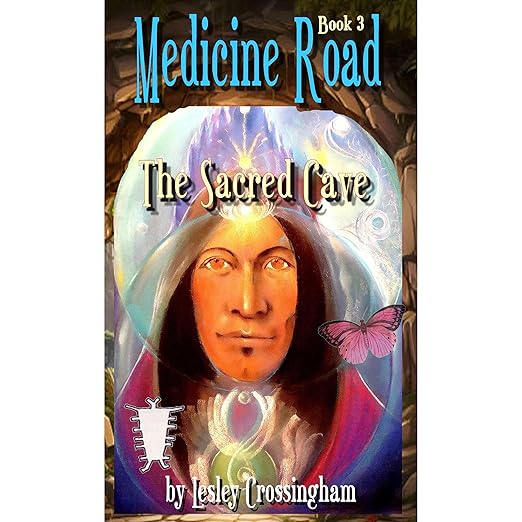
What was Lesley Crossingham actually searching for when she set out to find a cave in the Rocky Mountains of southern Alberta back in the 1980s, the one locals associated with the Old Man River? This audiobook, Medicine Road - The Sacred Cave, spends its ninety minutes answering that question sideways, treating the physical cave as a starting point rather than a destination.
The audiobook moves from that Alberta search into territory most spiritual memoirs never touch: Plato's cave allegory sitting alongside a chapter of the Quran devoted specifically to a cave, and a journey that eventually carries Crossingham to northern Africa chasing the same symbol across traditions. It is a short listen, but a genuinely unusual one in how far it travels from its starting point.
Old Man River Grounds a Search for Meaning
This is less a travel narrative than an extended meditation, and Crossingham says as much herself: the point was never really the cave, but what it came to represent about being cut off from truth, Plato's prisoners watching shadows on a wall. Listeners coming in expecting a straightforward account of a cave expedition should recalibrate; this audiobook is closer to a personal essay on symbolism than a work of exploration writing.
The Old Man River itself is a real waterway running through southern Alberta, with deep ties to the region's Blackfoot and broader Indigenous heritage, and Crossingham treats the physical geography with evident respect rather than using it as a passive backdrop for a personal epiphany. That grounding in an actual, specific place is part of what keeps the book from drifting into vague, untethered abstraction.
Plato and the Quran Meet in a Ninety-Minute Memoir
The cross-tradition reading is the most interesting thing here. Not many short spiritual memoirs put Plato and Quranic scholarship in direct conversation with a personal search through the Alberta backcountry, and Crossingham treats both traditions with what reads as genuine respect rather than surface-level comparison. For listeners drawn to comparative spirituality or symbolic interpretation across cultures, that combination alone makes this worth the ninety minutes.
At under two hours, it also respects your time in a way longer spiritual memoirs often do not. No padding stretches a slim central idea into an eight-hour commitment here; Crossingham gets in, makes her case about the cave as metaphor, and gets out.
Comparative mythology has a long tradition of treating the cave as a near-universal symbol, from Plato's allegory through countless creation and initiation stories across cultures, and Crossingham's memoir sits comfortably in that tradition without requiring the listener to have studied comparative mythology first. She builds her own case from her own experience, which keeps the book personal rather than academic even as it reaches for genuinely big ideas.
Synthetic Narration Undercuts an Intimate Spiritual Voice
The audiobook is narrated by a Virtual Voice AI system rather than a human narrator, and that matters more here than it would for a reference book or a how-to guide. This is reflective, first-person material built around a personal spiritual journey, the kind of writing that usually depends on a narrator finding the right quiet, unhurried register. A synthetic voice can deliver the words accurately, but the emotional undercurrent Crossingham is clearly going for in passages about isolation and revelation will land flatter than it would with a human narrator who understands where to pause.
No listener rating or review history is attached to this edition at the time of this review, so you are going in without any crowd-sourced sense of how the book has landed with other listeners. That is not a mark against it, but it does mean the decision rests more heavily on whether the premise itself, Plato and Islamic scripture converging on a Rocky Mountain cave, appeals to you specifically.
This also reads as a self-published or small-press production, which is common territory for Virtual Voice narration and worth naming plainly: listeners should adjust expectations around production polish accordingly, even as the underlying writing and research clearly received real care.
Not the Book for Cave-Exploration Purists
The northern Africa chapters mark a notable shift in scope from the book's Alberta opening, moving from a specific, personal North American landscape into a broader engagement with Islamic tradition and geography, and Crossingham handles that transition by keeping the throughline about personal symbolism consistent even as the physical setting changes entirely. That structural choice, following the idea rather than staying anchored to one place, is what makes the ninety-minute runtime feel expansive rather than cramped.
Self-empowerment framing runs through spiritual memoir as a genre broadly, and Crossingham's version avoids the more formulaic language that tends to define weaker entries in that category; no checklist of steps to enlightenment appears here, just one person's specific, geographically grounded account of what a years-long preoccupation with a single cave came to mean.
This one is for listeners with a genuine interest in comparative religious symbolism, or anyone who has read Plato's allegory of the cave and wondered what a modern, personal application of it might look like. It will also appeal to readers drawn to short-form spiritual memoir who do not need a full-length narrative arc to find something worth sitting with.
It also suits listeners who appreciate memoirs grounded in a specific real place rather than abstracted spiritual writing untethered from geography, since the Alberta setting and the later North African travel both stay concrete throughout the book.
If synthetic narration is a dealbreaker for you in reflective, meditative nonfiction, or if you are looking for a book about actual cave exploration rather than what a cave came to symbolize, this is not the right match. But as a compact, honestly personal piece of comparative spiritual writing, it earns its short runtime.
A Few Questions About Medicine Road - The Sacred Cave
How long is the Medicine Road - The Sacred Cave audiobook?
It runs about ninety minutes, a short, focused listen rather than a full-length memoir.
Do you need to know Plato or Islamic scripture before listening to this audiobook?
No, Crossingham introduces both the Platonic cave allegory and the relevant Quranic material accessibly enough for listeners without prior background in either.