The Short Version
- Narrator: Ty Herndon is credited as his own reader, which is the right casting for personal material; no comment on file assesses a spoken performance.
- Subjects: coming out in country music, reclaiming a signature song, representation arriving late, a career reassessed
- Tone: Warm, overdue and quietly emotional
- Bottom line: The feeling around this release is real and well documented, but confirm what the file actually contains before you buy.
No description at all accompanies this listing, which leaves the audiobook's own credits and a handful of listener comments to do the work. That is a thin evidence base, and it changes what this review can honestly be. Rather than tell you what is inside, I can tell you what the record supports, what the people who bought it are actually talking about, and what you should confirm before spending anything.
Four of Five Comments Are About Music
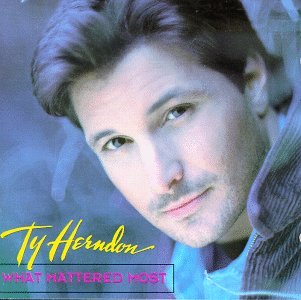
The credits are the only part of this listing that speaks clearly. Ty Herndon is named as both the author and the reader, the runtime is five hours and thirty-three minutes, and the entry sits across three shelves at once: memoir, arts and entertainment, and LGBTQ+ writing, with a music tag attached. Take those at face value and the shape suggests a self-narrated life story from a country singer, told by the man himself at roughly the length a single-volume memoir usually runs.
The listener comments point somewhere else, and every one of them does. Four of the five describe a piece of music rather than a spoken narrative, and the fifth says nothing about content at all. One reader's title calls it "An amazing and vibrant reworking of a classic song". Another writes simply, "He re-recorded his classic". A third recalls the title track as a huge hit and assesses Herndon's career around it. Not one comment mentions a chapter, a story, a narrator or a recording of the spoken kind. That is a consistent enough signal that I will not pretend to have resolved it, and it is the single most important thing on this page for anyone about to buy.
In fairness to the record, a music tag on a memoir shelf is not automatically a contradiction. Musicians' life stories are routinely filed under both, and a book by a country artist would sit naturally beside arts and entertainment, biography and LGBTQ+ writing all at once. The runtime pushes the same way. Five hours and thirty-three minutes is roughly what a single-volume memoir occupies and several times the length of any album, let alone a single track, so whatever the comments are responding to, the file itself is too long to be only the song they keep describing. My best reading of the evidence is that the listing carries a spoken work and has collected feedback belonging to a separate musical release under the same name. I cannot prove that, and I would rather say so than dress a guess up as a finding.
Masculine Pronouns as a Lifelong Prayer Answered
A country singer re-recording his own signature song so that the pronouns finally match his life is a small act with enormous weight, and the comments here register that weight with unusual directness. The fullest of them comes from a listener who says he has loved the song since it was originally released but wanted something different, and who describes this version, "for me as a gay man (& country music fan)", as "hearing a male voice singing masculine pronouns the answer to a lifelong prayer." That is not a review of a product. It is somebody reporting what representation feels like when it arrives late.
A second comment makes the same point in plainer language: it is "so great to hear him sing about his true self", and the wish that follows is for the rest of the back catalogue to get the same treatment. That same comment notes that Herndon has been publicly out for a long time now, which frames the re-recording as a correction rather than a revelation. Whatever this listing actually contains, the emotional case around it is well documented and worth understanding: an artist re-recording his best-known song on his own terms, and an audience that has been waiting a very long time for permission to hear it that way.
One Reader Says He Just Faded Away
Buying this blind is a genuine risk, and I want to be specific about why. The description is absent, so no publisher summary exists to check against. The runtime and the shelving suggest a spoken memoir. The listener comments, without exception, describe music. Those two things cannot both be fully true of the same file, and I have no way to tell you which one the audio matches. Play the sample before spending anything, and if no sample is offered, treat the missing description as a reason to wait rather than a detail to overlook.
The comments themselves are also thinner than the count suggests. One consists of a single sentence repeated as its own headline, "A must have for any Ty Herndon fan!", which conveys enthusiasm and nothing else. Another breaks off mid-sentence. The most informative dissent comes from a four-star reader who thinks Herndon "always had a great voice" but that "his choice of material left a lot to be desired", recalling one huge hit followed by an artist who "just kind of faded away". That is the only assessment on file that steps back and looks at the career rather than the moment, and anyone weighing five and a half hours of Herndon should read it alongside the enthusiasm.
One more absence is worth flagging, because it compounds the rest. No publisher is named on this listing and no release date is recorded, so the usual ways of confirming what a title is and when it appeared are closed off too. A missing summary on its own is careless. A missing summary, publisher and date together suggest a record assembled from partial information, which is exactly when a review should say less rather than more. Everything above comes from the handful of details this page does fill in and from the comments left underneath them.
If It's the Memoir, Herndon Is Narrating
Nobody should come to this without checking the format first, and that applies whichever version you are hoping for. If it is the memoir the shelving implies, the appeal is clear enough: a country artist whose coming out plainly mattered to the listeners commenting here, telling it in his own voice at a length that allows for actual detail. Herndon narrating himself is the right call for that material, since the whole value of such a book lies in hearing it from the person it happened to rather than from an interpreter.
If what you want is the re-recorded song, the comments here tell you it lands, and they tell you why. Approach with caution if you need to know exactly what you are getting before you spend, because this listing will not tell you. Approach with caution too if you are new to Herndon's work entirely, since every positive response on the page comes from someone who already carries a history with the song. The one dissenting voice, notably, is the one describing the career from the outside.
Common Questions
Why is there no description for this audiobook?
The publisher summary is simply absent from the listing, along with the publisher name and release date. That leaves the credits, the runtime and the listener comments as the only evidence. I have written this review from those rather than guess at contents nobody has published.
Is Ty Herndon narrating this audiobook himself?
He is credited as both author and reader on this listing. For personal material that is the strongest possible casting, since the value of a coming-out story lies in hearing it from the person who lived it. No listener has yet commented on a spoken performance, so the credit is all I can confirm.