Before You Press Play
- Read by: Kevin Osman's steady, uncluttered pacing suits short, technique-focused instruction.
- At its heart: photography composition, visual craft, practical technique.
- Vibe: Brisk and focused, with real audio-versus-visual tension.
- Short version: A useful composition primer, best paired with the print edition's images.
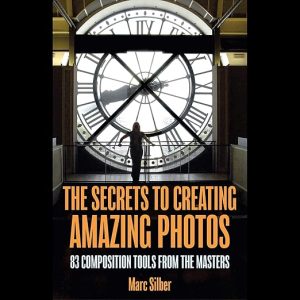
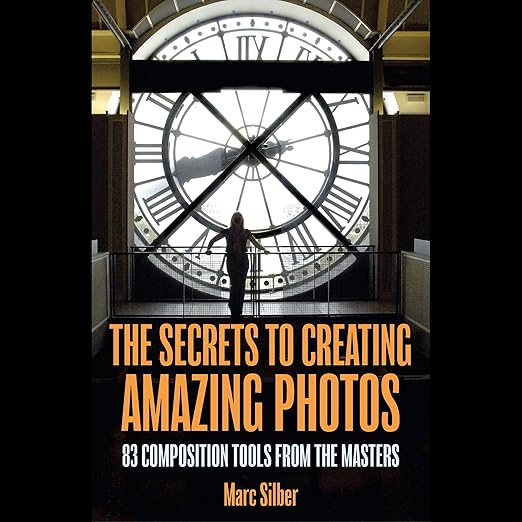
Marc Silber wants you convinced, within the first few minutes, that composition is a learnable skill rather than a mysterious gift some photographers are simply born with, and he builds his entire audiobook around that reframing. Structured as a set of composition recipes rather than abstract theory, this hour-and-forty-seven-minute release promises fast, applicable technique over comprehensive photography education, and largely delivers on that narrower promise.
Composition Recipes That Finally Make Mood Lines Click
The recipe metaphor Silber leans on repeatedly, treating composition rules the way a home cook treats a cookbook, works better than it has any right to for a subject this visual. He breaks classical composition principles down into named, repeatable moves rather than vague aesthetic advice, drawing on years spent studying master photographers and interviewing some of the biggest names in the field, and that specificity is what reviewers respond to most: one listener singles out the mood-line diagrams in particular as finally making sense after years of seeing similar concepts explained less clearly elsewhere.
Where the book runs into a genuine format problem is the gap between what Silber is teaching and what audio alone can show. Composition is fundamentally a visual argument, made through example photographs, diagrams, and mood lines overlaid on images, and one reviewer notes directly that hyperlinks connecting referenced photos across chapters would have made a real difference. That is a print-and-visual-companion limitation more than a narration flaw, but it shapes how this audiobook should actually be used.
Among the composition principles Silber covers, classic tools like leading lines, framing, and balance appear alongside his own more idiosyncratic mood-line concept, and the book is strongest exactly where it moves past textbook terminology into Silber's own vocabulary for what makes a frame feel intentional rather than accidental. That personal framework, more than the familiar foundational rules, is what reviewers single out as genuinely new to them.
Silber's interviews with prominent photographers, referenced throughout as the research base for these recipes, give the book a reported, journalistic quality distinct from a single photographer's personal opinion; a technique earns its place in the book because multiple working professionals independently pointed to it, not because Silber alone favors it.
The Word Secrets Is Doing Real Work
That combination, brevity plus a research base drawn from real working photographers, is a large part of why a book this short earned such consistently high ratings across hundreds of reviewers.
The word secrets in the title is doing real rhetorical work: Silber is explicitly positioning composition knowledge as privileged information photographers were previously locked out of rather than a skill anyone could look up, and the book's actual content mostly earns that framing by translating genuinely useful but often poorly explained concepts into plain, repeatable language.
Osman's Pacing Fixes Technically Correct, Emotionally Flat Photos
Kevin Osman's narration handles the recipe-format structure cleanly, moving through each composition technique at a pace that suits a listener trying to absorb one concept before the next arrives, rather than rushing through material meant to be applied rather than just heard. For an audiobook built explicitly to be carried on a phone and referenced while out shooting, that steady, uncluttered delivery is the right choice.
The book's brevity is also a real asset rather than a compromise: at under two hours, this is designed to be revisited in short bursts before or during a shoot, not absorbed once as a comprehensive photography education. A reviewer's description of the book as well written and effective at illustrating composition rules through its examples suggests the underlying instructional content holds up even stripped of some of its visual scaffolding.
The book's format also suits a specific kind of repeat use: rather than a one-time education, it is built to be dipped into before a specific shoot, portrait, landscape, street photography, with the relevant recipe pulled up for a quick refresher. That utility-first design is unusual for a photography book and works specifically because the runtime stays so short.
For a listener already comfortable with a camera's basic controls but stuck producing technically correct, emotionally flat images, this audiobook targets that exact frustration directly, treating composition as the missing variable between competent and compelling rather than assuming the gap is really about equipment or settings.
A Deliberately Narrow Composition-Only Scope
This is not a comprehensive photography course, and listeners hoping for guidance on camera settings, lighting, or post-processing will not find it here; the entire book stays focused on composition specifically. That narrow scope is a legitimate choice, not a flaw, but it is worth knowing going in so expectations match what is actually being taught.
The audio-only format genuinely does lose something that the print and ebook editions retain: the side-by-side photographs illustrating each mood line and composition rule. Listeners serious about applying these techniques should strongly consider having the print or digital edition's images available alongside the audiobook, since several of Silber's specific examples are described in a way that assumes the listener can also see the photograph in question.
Visual instruction generally faces a structural tension in audio that this book cannot fully escape: a listener can absorb the logic of a composition rule, why a diagonal line creates tension, why negative space matters, without necessarily being able to apply it immediately without the visual reference the print or ebook edition provides alongside the same explanation.
Built to Be Finished Once, Revisited Often
The book's new-release momentum at launch speaks to real demand for exactly this kind of fast, practical photography education, though that commercial success says more about appetite for the format than it guarantees comprehensiveness; newer or more advanced photographers may find themselves wanting a deeper follow-up once these foundational recipes are absorbed.
Because the book runs under two hours, several reviewers describe finishing it in a single sitting and then returning to specific sections later, a listening pattern that rewards chapter markers and a good mental map of where each named technique lives within the overall runtime.
Smartphone Photographers Get the Same Composition Rules
Photographers, hobbyist or working, who already understand their camera's mechanics and want a focused, fast education in composition specifically will get real value here, especially anyone who has felt composition described as mysterious or unteachable in other resources. The short runtime also makes this an easy repeat listen before a shoot, functioning almost like a warm-up exercise.
Smartphone photographers specifically, not just DSLR or mirrorless camera owners, will find the composition principles apply directly, since Silber frames the material around seeing and framing rather than camera-specific technical settings that would only apply to certain equipment.
Skip it if a comprehensive photography education is the goal, or if learning visually rather than aurally is a strong personal preference; this material leans on visual demonstration in a way that audio-only listening will always partially shortchange, no matter how clearly Osman reads it.
A Few Questions About The Secrets to Creating Amazing Photos
Does this audiobook include the composition diagrams and mood lines from the print edition?
Not directly. The audio format cannot reproduce the visual diagrams, so listeners serious about applying the techniques should keep the print or ebook edition's images handy.
Is this audiobook a full photography course or focused specifically on composition?
Focused specifically on composition. Camera settings, lighting, and editing are outside its scope; Marc Silber stays entirely on framing and composition technique.
How long is this audiobook and is it worth revisiting?
At under two hours, it is short enough to replay before a shoot, and the recipe-style structure is built for that kind of repeated, practical reference use.
Does Kevin Osman's narration work for a hands-on, practice-based audiobook like this?
Reasonably well. His steady, uncluttered pacing suits a listener trying to absorb one technique before the next arrives, though the book's visual examples remain a structural limitation of the audio format itself.