Quick Take
- Narration: Virtual Voice AI narration delivers the practical content adequately but the conversational, sales-letter prose style is an awkward fit for AI delivery.
- Themes: Seed starting indoors, cost savings versus retail plants, beginner vegetable gardening
- Mood: Enthusiastic and practical, with the energy of a neighbor who really wants you to try this
- Verdict: A genuinely useful short guide for beginning seed-starters, though the AI narration and sales-letter prose style are worth knowing about before you buy.
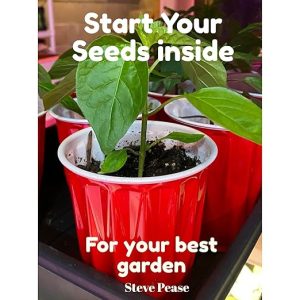
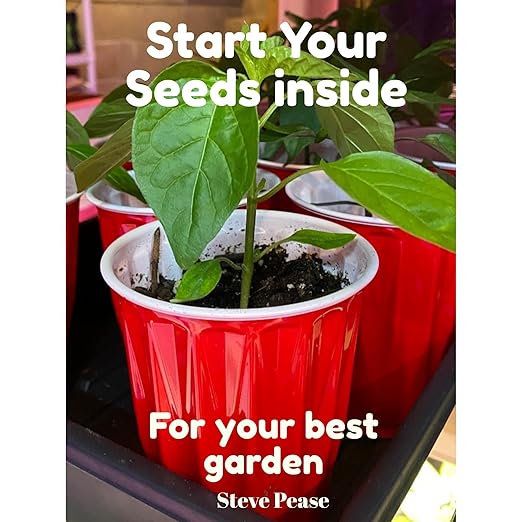
I have a complicated relationship with very short audiobooks. At one hour and twelve minutes, Start Your Seeds Inside is more pamphlet than book, and the decision of whether that is a problem depends almost entirely on whether the content fills its runtime usefully. For this one, the honest answer is: mostly yes, with some significant qualifications about the format.
Steve Pease writes with the enthusiasm of someone who actually grew fifteen-foot sun gold tomato plants and cannot stop thinking about them. That enthusiasm is real and occasionally infectious. The book’s argument, that starting seeds indoors is dramatically cheaper than buying retail plants while also being more rewarding as a process, is accurate and well-supported by the specific numbers Pease provides. Four or five dollars per retail plant versus ten to twenty cents per seed at a ninety percent germination rate is a genuine economic argument that beginning gardeners should hear.
Our Take on Start Your Seeds Inside
The book covers exactly what the title promises: equipment needed, step-by-step process for starting seeds indoors, light and temperature requirements, transplanting timing, and the particular satisfaction of watching a hard-to-see tomato seed become a plant producing hundreds of fruits. The structure is logical and the advice is practical. Pease is specific where specificity matters: the sun gold tomato anecdote, his own two plants that ran fifteen feet along a fence and produced until frost, is the kind of concrete detail that makes gardening writing useful rather than generic. You can picture the setup, and you can understand why the investment in equipment pays back.
The limitation worth flagging honestly is the prose origin. This is written in the style of a sales letter, which means the tone oscillates between genuine gardening enthusiasm and promotional self-awareness. Phrases like this book is a fantastic deal at this price appear in the text, and in audio format that register is strange. You are being sold to by something you have already purchased. The Virtual Voice narration reads these sections with the same even delivery it applies to the actual seed-starting instructions, which makes the transition between useful advice and promotional language more jarring than it might be in print where you can visually skim the sales pitch.
Why Listen to This Instead of Reading It
The honest answer is that the Virtual Voice narration is functional but limited. AI narration reads agricultural terminology accurately and maintains a consistent pace, but the conversational, personal quality of Pease’s writing, the neighbor-over-the-fence energy that makes the enthusiasm feel genuine, is flattened by the delivery. The book runs seventy-two minutes. That is a reasonable listen for a focused morning session, and the instructions are clear enough that you can follow the process without needing to see diagrams. If you are someone who retains practical information better through listening, the format works. If you are primarily interested in the gardening content without the sales-letter framing, the print version may serve you better.
What to Watch For in This Audiobook
There are no reviews on Audible to draw from in calibrating this assessment, which means the evaluation rests primarily on the content itself. The book covers seed-starting fundamentals rather than advanced techniques, so listeners with existing vegetable gardening experience may find the material covers ground they know. The equipment chapter is the most practically specific section, and the coverage of grow lights and heating mats is useful for beginners who are uncertain about the initial investment. The transplanting timing guidance, knowing when indoor seedlings are ready for outdoor conditions, is the section where beginners are most likely to make costly mistakes, and Pease addresses it with appropriate care. The sun gold tomato story near the end is the emotional payoff of the book, and it earns its place.
Who Should Listen to This Audiobook
Beginning gardeners who want to start vegetables from seed for the first time will find this a genuinely useful introduction. Budget-conscious growers who want the economic argument for indoor seed-starting spelled out clearly before investing in equipment will find Pease’s cost comparison straightforward and convincing. Experienced seed-starters will not find new information here. Anyone who finds AI narration takes them out of a listening experience should consider the print format instead.
Frequently Asked Questions
Is Start Your Seeds Inside suitable for complete gardening beginners with no prior experience?
Yes, this is the intended audience. Pease writes assuming no prior knowledge and walks through the equipment, process, and timing from the beginning. The economic comparison between seed costs and retail plant costs is presented as a convincing argument for beginners to try rather than as a reminder for experienced gardeners.
Does the Virtual Voice narration cause any comprehension problems with gardening terminology?
No, the technical terms are handled accurately. The main limitation is atmospheric: the conversational, enthusiastic quality of Pease’s writing is flattened by AI delivery. The instructions themselves come through clearly enough for practical use.
What equipment does Pease recommend for starting seeds indoors, and does he give specific product guidance?
The equipment chapter covers grow lights, seed trays, heating mats, and growing medium. Pease discusses what is necessary versus nice-to-have, and addresses the initial investment cost relative to the long-term savings. The guidance is practical rather than brand-specific.
How does the sun gold tomato example function in the book?
Pease uses his own experience growing two sun gold tomato plants that reached fifteen feet and produced hundreds of tomatoes until frost as the concrete proof-of-concept for the book’s argument. It is the emotional center of the text, the moment where the efficiency argument becomes an account of actual joy, and it grounds the more instructional content in lived experience.