- Voice: Shawn K. Jain reads a reporting book whose scenes are built to be described rather than seen, which is the useful thing to know here.
- Big ideas: Heat as an inequality, urban design history, public health, air conditioning and car dependence, climate adaptation.
- Atmosphere: Brisk, argumentative, unexpectedly absorbing.
- Worth it?: A genuinely reframing piece of reporting, with one real caveat about everything the recording cannot show you.
Bus riders in Los Angeles line up behind the shadow thrown by a street sign on a ninety-degree day, and Sam Bloch builds an entire book out of what that queue means. Shade runs nine hours and forty-five minutes as an audiobook, and it is reporting rather than design writing, whatever the architecture tag on this listing suggests. The argument is that shade stopped being infrastructure in America and quietly became a privilege, and that the difference now kills people.
Seville Risks Political Careers Over Public Shades
Bloch's historical sweep is the part that reframes the subject fastest. Cities in Mesopotamia and Northern Africa were built densely so courtyards and passageways sat in shadow through the hottest hours while cool air moved freely. Greek philosophers argued in shaded agoras. In Seville today, according to the description, political careers are put at risk when leaders fail to hang the public shades above the sidewalks before the summer heat arrives. Shade was normal. Then it was not.
What happened in the United States gets a specific and unglamorous answer: air conditioning and the car. Once interiors could be cooled and distances driven, the reason to design for shadow evaporated, trees came out to widen roads, and public space stopped being somewhere you would voluntarily stand. A few planners, engineers and architects kept building shady designs for efficiency and comfort, according to the description, but they were working against the direction of everything else. The consequence Bloch reports is that heatwaves are now the country's deadliest natural disasters, with the victims concentrated in the poorer and less shaded neighborhoods, and that the retreat indoors is itself now straining the electricity grid that made the retreat possible.
Nineteen ratings is a thin base by any measure, and five of those nineteen carry written text, which is an unusually high proportion. Their scores average exactly the 4.8 the listing displays, so for once the visible page and the aggregate are telling the same story. One of the five states plainly that the reviewer had not finished, which leaves four completed accounts to work from.
Denied to Farmworkers and the Homeless
Access is the argument doing the heavy lifting, and the framing quoted from The New Yorker on the listing puts it bluntly: shade is now a privilege, often denied to farmworkers, the homeless, and residents of poor neighborhoods. Public health, mental health and crime figures all run worse where it is missing. Once you have that lens, ordinary streetscapes stop looking neutral, which is the specific pleasure of a good reporting book and the reason this one keeps getting recommended.
Who Knew Tall Buildings Were Our Friends?
The reviewers describe exactly that conversion. M. Sezzi credits the book with explaining "how shade was used before the industrial revolution and how the lack of shade today is negatively affecting people's health and well-being", and concludes that shade "is an indispensable element for good health". Another five-star notice compresses the whole thesis into a single question: "who knew that tall buildings were our friends?" That is what a successful argument book does to a reader's default assumptions.
Structurally the material suits a recording better than the subject implies. Bloch works scene first, from the bus stop to the agora to the awnings over a Spanish sidewalk, and scenes are what carry through a set of headphones. A book of plans and elevations would collapse; a book of reported places does not. The production question is whether the pacing lets each of those locations land before the next one arrives, and I would sample the Seville passage specifically.
No Narration Fixes the Missing Photos
Darkle, the only four-star response on the page, files the complaint that matters most to anybody buying this by ear. Because the subject "involves places, structures, designs and architecture", the book "needs many, many more photos and illustrations", and without them "some of it doesn't even make sense as described merely with words". That was written about an edition which could at least have carried pictures. The recording removes the possibility altogether, and no narration solves it.
Press Attention Has Outrun Actual Readership
Recency is worth weighing separately. This edition arrived in July 2025, the earliest written response landed nine days later, and the most recent was filed in January 2026. A six-month spread across five notices is not much of a track record, and none of it has been tested by the sort of long tail that tells you whether a book survives its own moment. The gap between critical reception and consumer traction is also unusually wide here. The listing quotes NPR, quotes The New Yorker, and carries a New Yorker Best Book of the Year credit, and it has attracted nineteen ratings. Press attention has clearly outrun readership so far, which is worth knowing if you are treating those endorsements as a proxy for how many people have actually finished the thing.
Density is the last caveat, and it is inherent to the format. Bloch moves between history, policy, public health statistics and on-the-ground reporting, and a printed page gives you section breaks, headings and the ability to look back at a figure you half caught. Listening flattens those signals. Anybody who wants to retain the numbers rather than the argument should expect to rewind, or to keep a printed copy alongside for the parts worth quoting later.
The One Thing Audio Cannot Show
City dwellers who have started noticing which side of the street they walk on in August are the natural audience, and so is anyone working near planning, public health or municipal budgets. It also suits readers of single-subject reporting who like a familiar thing made strange, since the whole method here is to take something nobody classes as infrastructure and demonstrate that it always was. Climate-adaptation readers will find the last stretch the most useful part, where the architects, city leaders and entrepreneurs trying to put shade back get their hearing.
Pass on the recording if your interest is primarily architectural. The one dissenting reviewer is right that a subject built from structures and designs wants images, and an audio-only edition gives you none. Readers who want the built-environment detail rather than the social argument will do better with a printed copy, ideally one with the illustrations that reviewer was asking the publisher to commission.
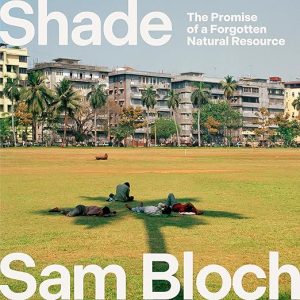
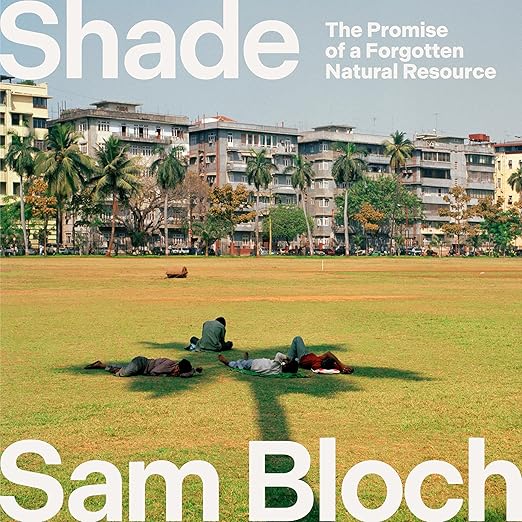
I finished this convinced by the central claim and mildly frustrated by the format, which is roughly where the four-star reviewer landed too. The reporting is strong enough that the missing pictures register as a loss rather than a dealbreaker. Buy it for the argument, listen for the reported scenes, and accept that the one thing a book about shadow cannot do in audio is show you a shadow.
Good to Know
Does the Shade audiobook lose anything without photographs?
It does, and one reviewer said so about an edition that could have included them. The complaint was that a subject involving places, structures, designs and architecture needs many more photos, without which parts do not make sense described in words alone. Audio removes the option entirely, which is the honest trade here.
How current are the reviews for the Shade audiobook?
Very. This edition appeared in July 2025, the first written response came nine days afterward, and the latest was filed in January 2026. Five notices across roughly six months is an early snapshot rather than a settled verdict, so weigh the enthusiasm accordingly before committing nine and a half hours.