Thirteen hours and twenty minutes of music writing arrive here with no description attached at all. The product page for this audiobook carries a title, an author, a narrator, a running time and a rating, and where the synopsis should sit, nothing. That happens occasionally with back-catalogue titles, and it puts a reviewer in an unusual position: I can tell you a great deal about the shape of what is on offer and almost nothing about its contents, and I would rather say so plainly than fill the gap with invention.
Three Reviews, and None About This Book
Start with what the page does establish. Paul Rees is credited as author, Eric Jason Martin as narrator, and the running time is thirteen hours and twenty minutes. It sits in the arts and entertainment category, under music specifically, and carries a 4.6 average across thirty-nine ratings. Those facts are not nothing. A thirteen-hour single-author book in the music category is not a quick artist primer or a collection of essays. That length signals a full-scale biography, an era history, or a career-spanning study with room for interviews and context.
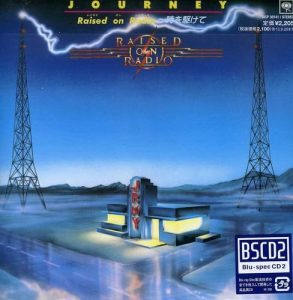
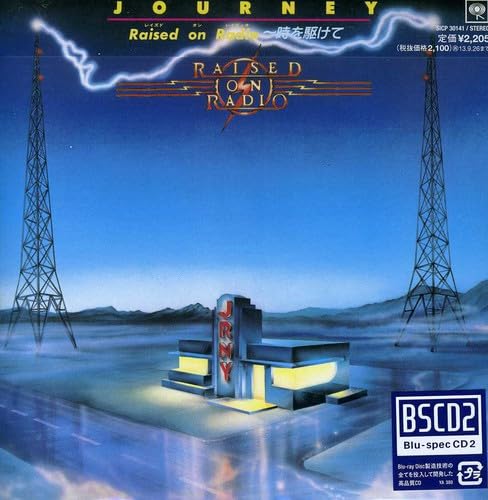
The second observation is about the ratings, and it is the one that should change how you read this page. The three customer reviews visible on the listing are not about a book at all. One consists of a single line, "My all time favorite album!", and the other two are written in Japanese and discuss an album, its ballads and its singles, with one listener explaining that they bought a replacement because they only own a CD player. These are reviews of a music recording that shares a title with this book.
That kind of contamination happens when a title collides with a well-known record and review pools get merged, and once you see it the consequence is clear. The 4.6 average across thirty-nine ratings cannot be read as a verdict on Paul Rees's writing, on the accuracy of his research, or on Eric Jason Martin's narration. It is, at least in part, a measurement of how much people like an album. Anyone using the star rating to decide whether to spend a credit here is reading a number that answers a different question.
Martin's Casting Is the Strongest Signal Here
So what is the case for pressing play. The strongest element on the page is the narrator credit. Eric Jason Martin's calling card is controlled, measured delivery across long, detail-dense nonfiction, the kind of material that names dozens of people and moves through decades without losing the thread. Music books are exactly that shape: sessions, line-up changes, label politics, tour itineraries, all of it dependent on a reader who can keep proper nouns clean at hour eleven. If the text turns out to be the era history its length suggests, the casting is a good sign about what the publisher thought they were making.
The running time itself is the second signal. Thirteen hours and twenty minutes is roughly the length publishers give a substantial music biography rather than a quick-turnaround cash-in, and it implies the author had access, archives or both. Books at this scale in the music category generally spend their first third on formation and context before the famous period arrives, which is a structure that rewards audio: you are being told a story chronologically, with a large cast, and that is easier to follow by ear than a thematically organised argument would be.
Paul Rees is credited as sole author, which also tells you something about the form. This is not an as-told-to memoir with a subject's name above the title, and it is not an oral history compiled from transcripts. A single credited author on a thirteen-hour music book usually means reported, third-person nonfiction with a point of view, which is the register the narrator credit fits. All of that is inference from the shape of the listing rather than knowledge of the contents, and I want to be explicit that I am reasoning from the packaging.
Verify the Subject Before You Spend a Credit
The absent description is the whole problem and I will not pretend otherwise. Without publisher copy you cannot confirm the subject, the period covered, whether it is authorised, or whether the edition includes any supplementary material. Everything above is inference from length, category, credits and nothing else. Buying blind on that basis is a real risk, and it is a bigger risk at thirteen hours than it would be at three, because the cost of discovering the book is not what you assumed is measured in a fortnight of commutes.
The contaminated review pool compounds it. Normally a thin description matters less because the reviews fill in the subject, the tone and the level of detail. Here the reviews describe a different medium entirely, so the usual workaround is unavailable. Between them, the missing synopsis and the mismatched ratings mean this listing supplies almost no evidence about the product itself, which is an unusual situation and worth naming rather than papering over.
My practical recommendation is to verify before you commit. Look up the author's name with the title attached and confirm the subject and publication details from a bookseller or library catalogue that carries the full description. Then, if the subject interests you, use the audio sample to check the narration and the opening framing. Both steps take five minutes and they close almost the entire information gap. What I would not do is spend a credit on the strength of a 4.6 average that at least three visible reviewers awarded to a record.
Insufficient Evidence for a Thirteen-Hour Purchase
Music nonfiction readers who already know Paul Rees's work, or who have independently confirmed the subject of this book, are the natural audience, and for them the thirteen-hour length and the narrator credit both read as encouraging. Listeners who enjoy long-form reported music writing, with the formation years and label politics included rather than skipped, will find the scale promising. If you have verified the subject elsewhere and it appeals, the production signals on this page are good ones.
Anyone who wants to know what they are buying before they buy it should treat this listing as insufficient on its own. That is not a judgment on the book, which may well be excellent, but on the information available at the point of sale. Do the five minutes of checking first. A thirteen-hour commitment deserves more evidence than a title, a category tag and a star rating that belongs to something else entirely.
Why does this audiobook have no description?
The product page carries a title, author, narrator, running time and rating, and the synopsis field is empty. That happens occasionally with back-catalogue titles when metadata is transferred incompletely. It does not indicate anything about the book's quality, but it does mean the listing gives you no reliable account of the subject or period covered.
Are the customer reviews about this book?
No. All three visible reviews discuss a music recording rather than a book. One calls it a favourite album, and the two written in Japanese discuss singles, ballads and owning only a CD player. This looks like a review pool merged across products that share a title, which makes the star average unusable here.
Should I buy this audiobook without more information?
Not before five minutes of checking. Search the author name with the title to confirm the subject and publication details through a bookseller or library catalogue, then use the audio sample to assess the narration and opening framing. Those two steps close almost the entire gap, and a thirteen-hour commitment justifies taking them.