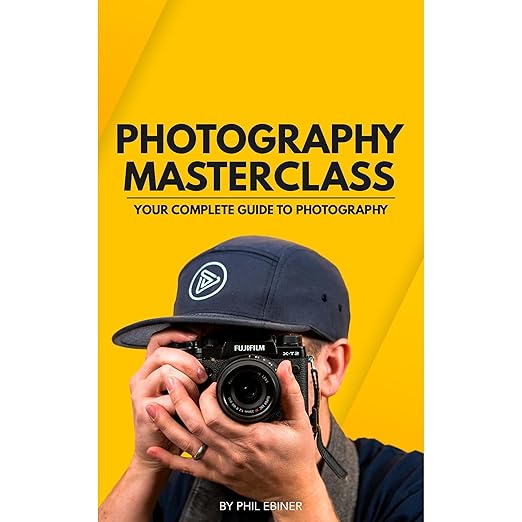
Phil Ebiner's Photography Masterclass arrives as an audiobook narrated by Virtual Voice, Amazon's AI text-to-speech system, and that detail matters immediately. This is a comprehensive instructional audiobook covering photography from camera fundamentals through manual mode operation, compositional principles, multiple specialty genres, and the mechanics of building a photography business. At nine hours and forty minutes, it is a substantial commitment, and listeners should know upfront that Virtual Voice is handling it rather than a human narrator. The absence of a human performer does not make the content wrong, but it changes the experience in ways that are particularly relevant for a subject requiring the kind of vocal enthusiasm that distinguishes a good photography teacher from a technical manual read aloud.
Hue and Saturation Explained as Interaction
The content Ebiner has assembled here is genuinely comprehensive. The audiobook works through camera operation and gear selection, then moves into manual mode shooting and stabilization, then compositional and lighting principles, then an extended section on specialty photography genres including portrait, landscape, long exposure, product, low light, sports, street, architecture, event and wedding, aerial and drone, and wildlife photography. It then pivots to the business side, covering branding, portfolio building, freelance work, licensing, and wedding photography as a specific business model. No other photography audiobook in this category covers this much ground in a single volume, which is a genuine distinction in an instructional genre that tends toward narrower scope.
Reviewers have responded positively to the systematic organization. The structure allows experienced photographers to navigate directly to areas needing development and skip what they already know. For someone moving from casual smartphone photography to intentional DSLR or mirrorless work, the audiobook builds a conceptual framework that would take months to assemble from scattered resources. The section on hue, saturation, and value in post-processing has been called out specifically as more useful than most introductory coverage of color perception, because Ebiner explains the interaction of these elements rather than simply defining them in isolation. That distinction, between definition and explanation of interaction, is where instructional content earns its runtime.
The accessibility of the material is also worth noting. Ebiner does not assume technical background and builds from first principles at each new topic, which means listeners without any existing photography vocabulary can follow the material without pausing to consult external references. The step-by-step approach that reviewers praise as easy to understand regardless of experience level is genuinely present in the content design, even if the Virtual Voice delivery lacks the warmth that would make those passages feel more like instruction from a mentor than text rendered mechanically.
Client Acquisition, Portfolios, and Legal Considerations
The case for this audiobook despite the Virtual Voice narration rests on the breadth and organization of the material. For listeners who learn well through audio review, using this as a companion to active practice, the content holds up. Someone who has just acquired their first mirrorless camera and wants a structured framework to take into their first sessions will find the audiobook's progression from fundamentals through genre-specific considerations genuinely useful. The business section is particularly valuable for listeners who have not previously thought about how photography skills translate into income streams, as Ebiner covers the practical infrastructure of client acquisition, portfolio development, and legal considerations rather than stopping at the inspirational level.
The audiobook also lends itself to selective listening rather than strict sequential consumption. Each genre section stands largely independently, so a listener who has mastered outdoor landscape technique but wants to develop skills in low light or product photography can go directly to those chapters without needing to carry context from earlier sections. Virtual Voice narration, for all its limitations, at least delivers consistent pacing across those standalone sections without the tonal variation a human narrator might introduce between chapters on different topics.
Virtual Voice Strains at the Excitement of a Shot
Virtual Voice narration is a meaningful limitation for any audiobook, and it carries particular constraints here. Photography instruction benefits from a narrator who can modulate enthusiasm when describing what a properly composed shot looks and feels like, who can slow down for a technical detail and pick up pace for a motivational stretch. Virtual Voice does none of that. It delivers the text at a consistent, automated register that works adequately for definitional content and strains when Ebiner is trying to convey the excitement of getting a difficult shot right. Listeners sensitive to AI narration will notice it throughout the nine-plus hours of runtime.
This is also content adapted from a visual instructional format rather than material designed natively for listening. Photography is inherently visual, and several sections dealing with composition, color correction, and editing workflow would benefit substantially from the visual demonstrations Ebiner provides in his online course of the same name. The audiobook provides the conceptual framework but cannot substitute for hands-on visual guidance. Listeners who combine it with Ebiner's video course will get considerably more from the combination than from the audiobook alone.
Pays Off Best When Combined With Practice
This audiobook works best for beginner to intermediate photographers who want a comprehensive conceptual overview they can absorb during commutes or exercise, and for those building toward a photography business who need the organizational framework before diving into specialty resources. Listeners who are bothered by AI narration quality should seek a human-narrated alternative in this genre. Experienced photographers looking for advanced technique will find the content too introductory. The nine-hour-plus runtime makes this a significant investment that pays off best when combined with active practice.
Good to Know
Is this audiobook narrated by a human voice or an AI narrator?
This audiobook uses Virtual Voice, Amazon's AI text-to-speech system. There is no human narrator. Listeners sensitive to AI narration quality should factor this into their purchase decision before buying.
Does this audiobook cover photography business topics as well as technique?
Yes. A substantial portion of the audiobook covers building a photography business, including branding, portfolio creation, freelance client acquisition, licensing, and wedding photography as a business model.
Is the Photography Masterclass audiobook suitable for complete beginners?
Yes. Ebiner builds from first principles and does not assume prior photography knowledge. The audiobook is explicitly designed for beginners through intermediate-level photographers and explains technical concepts before applying them.
Can this audiobook substitute for hands-on photography instruction or a video course?
Not fully. Photography is a visual discipline, and the audiobook provides a conceptual framework rather than a substitute for visual demonstration. It works best as a companion to active practice or alongside Ebiner's video-based course.