At a Glance
- Read by: Jake Rudin's self-narration lends genuine practitioner authority, though it occasionally leans into the promotional register one reviewer flagged directly.
- At its heart: career transitions outside architecture, workplace burnout and toxic perfectionism, redefining professional identity
- Vibe: candid and encouraging, occasionally repetitive
- Short version: valuable listening for architects eyeing an exit, less relevant for anyone without a personal stake in the profession.
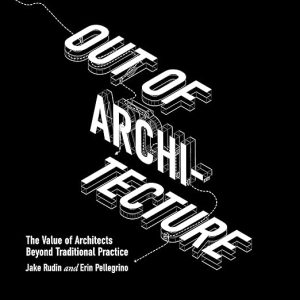
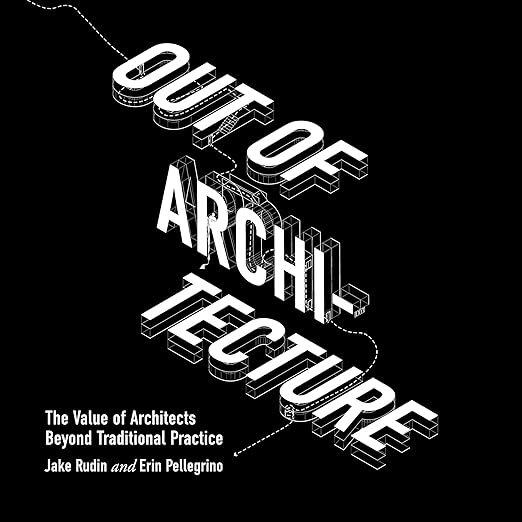
A wide disconnect between architectural education and actual practice sits at the center of this audiobook's argument, and Jake Rudin, who narrates his own material, spends the opening chapters tracing exactly how that gap forms during a typical US architecture education. Out of Architecture moves from the early highs of design school into the disillusionment that often follows: grueling hours, toxic perfectionism, and mentorship that can be either transformative or genuinely damaging depending on who a young architect ends up working under. From there, the book pivots into something more useful than complaint, a toolkit for architects considering paths outside traditional practice.
The Other Side of the Coin, Not Just Buildings
The book's real strength is structural: it does not stay in complaint mode. After thoroughly diagnosing what is broken about architecture's training pipeline and workplace culture, informed by "numerous client accounts" alongside the authors' own routes out of the field, it pivots into concrete alternate pathways, roles that use architectural skills without the grueling hours or compensation problems the profession is known for. Diamonds's review captures why that structure matters, noting how few books address "the other side of the coin", the culture of practice rather than just the buildings themselves.
Rudin Narrates His Own Career Transition
Client accounts woven throughout the book add real texture beyond Rudin's own single perspective, giving the material something closer to an oral history of the profession's exits than one person's individual account. The book's chapter progression mirrors an actual career arc rather than jumping straight to solutions: early chapters establish what architecture school actually teaches and what it leaves out, middle chapters diagnose specific workplace pathologies, and later chapters open outward into the alternate-career material most listeners are ultimately here for.
Rudin's self-narration works to the book's advantage throughout; hearing career-transition advice delivered by someone who actually made that transition himself carries a different kind of authority than a professional narrator reading someone else's case studies secondhand. His pacing through the more analytical chapters, on mentorship dynamics and the notion of "a calling", stays measured and grounded rather than tipping into either bitterness about the profession or salesmanship about his own alternative path forward, and that grounded tone extends into how he discusses his own uncertainty during the transition itself, rather than presenting his own path as an obvious, easy decision in hindsight.
Long Nights in Studio, Not Career-Coaching Jargon
R J's review gets at the emotional core of why this book resonates beyond a simple career-advice framework, describing it as one that "recalls long nights in studio, moments of pivotal importance in the lives of young architects", the kind of specificity, real studio culture rather than generic career-coaching language, is what separates Out of Architecture from a standard self-help business book wearing an architecture costume; Rudin and his co-contributors clearly lived the experiences they are describing chapter after chapter.
The range of alternate paths covered goes well beyond the obvious pivots into construction management or real estate development; Rudin and his co-contributors trace architects into design-adjacent fields most listeners would not think to consider on their own, which is where the book's research and interview work genuinely pays off for anyone feeling boxed into a narrow sense of what an architecture degree can lead toward, and the interview-driven format means listeners hear directly from architects who made each specific transition, rather than receiving secondhand summary of someone else's career change.
Exercises That Turn Dissatisfaction Into a Plan
For listeners specifically weighing whether to leave the profession, or already partway out and looking for validation and direction, the case-study format does real work, walking through how other architects actually made comparable transitions rather than offering abstract encouragement to follow your passion. Seven and a half hours is enough time to cover a genuinely wide range of alternate paths without the book feeling rushed or superficial about any single one of them along the way.
The book's toolkit chapters also include practical exercises for identifying transferable skills, the kind of concrete self-assessment work that turns vague dissatisfaction into an actual plan, which gives listeners something to act on rather than just validation that their frustration is shared by others.
Ad for Their Business, One Reviewer Argues
One reviewer's critique deserves a direct, honest airing here: a three-star review titled "Ad for their business" argues the book becomes repetitive and functions partly as marketing for the authors' own career-consulting services. That criticism has some merit; the case-study structure does occasionally read as a soft pitch for further paid consultation, and listeners allergic to any promotional undertone in a career-advice book should go in aware of that pattern rather than being caught off guard by it midway through the later chapters. Even so, the underlying diagnostic material, on burnout, mentorship, and perfectionism specifically, holds up as valuable independent of whatever promotional undertone accompanies the later chapters.
Built Around US Licensure, Friction Elsewhere
The book is also explicitly built around the US architecture education and licensure system, so listeners trained or practicing outside the United States should expect some friction translating specific advice about firm culture, mentorship structures, and career paths to their own country's very different professional pipeline. The emotional and cultural material about burnout and perfectionism travels more easily across borders than the practical career-transition specifics do.
Listeners should also expect the book's tone to shift noticeably between its more journalistic, case-study-driven chapters and its more overtly instructional, workbook-style sections; that tonal range is a genuine strength for engagement but can occasionally make the throughline between chapters feel less unified than a single-author memoir would.
Language and Permission to Imagine Something Else
Architecture students still early enough to make different choices, and working architects already eyeing the exits but unsure what comes next, will get the most direct, actionable value here. Diamonds's review makes a fair point about how few books address this specific gap between the profession's public image and its actual daily culture, which is exactly the audience this book is built to serve: people already inside the field who need language and permission to imagine something else entirely.
Career counselors and academic advisors working specifically with design students may also find real professional value here, since the book gives language and a structured framework for conversations about non-traditional paths that can otherwise feel vague or discouraging when raised informally.
A US-Centric Insider Book, Not a General Guide
Prospective listeners should go in aware that this is explicitly a book for architecture insiders and near-insiders, not a general career-change guide that happens to use architecture as its example; the specific licensure and firm-culture references throughout assume real familiarity with the profession. Readers purely curious about architecture as a field from the outside, without any personal stake in the career questions being raised, will likely find large sections speak past them, and even within its target audience, expect a noticeably US-centric frame throughout.