At a Glance
- Voice: Byline and reader credit belong to the same person, Hugo Vickers, which is the only production fact this listing states outright.
- Big ideas: Portrait photography and stage design, a middle-class ascent into a rarefied world, a difficult personality examined at length
- Atmosphere: Expansive, biographical, immersive
- Worth it?: A very long life of a very visual man, sold on a record assembled from a 1986 hardcover; worth it for the scope, not for the page.
Six hundred and fifty-six pages is the figure this listing prints in its page-count slot. Underneath it sit a twenty-seven-hour runtime, a reader credit, a thirteen-digit ISBN, a product code that is the ten-digit form of that same ISBN, and a publication date of January 1986. Two separate objects have been merged into one record, and the 3.8 average at the top of this audiobook page belongs to whichever of them a given rater happened to be holding.
Hugo Vickers Wrote It, Then Reads Aloud
Nineteen words is all the description offers, and they read like a catalog card rather than sales copy: the book traces the life of the famous British photographer, describes a middle class childhood, and attempts to portray his complex personality. That verb, attempts, is doing something unusual, because publishers do not normally hedge on behalf of their own authors. What the sentence never mentions is the period covered, the length, or that a photographer's life might be awkward in audio. Nineteen words also means no subtitle, no sense of structure, no period markers and no indication of what kind of biography this is beyond the fact that somebody wrote one.
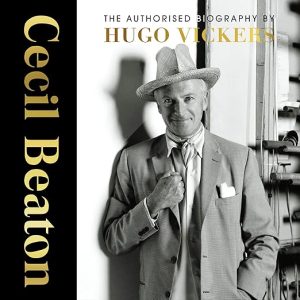
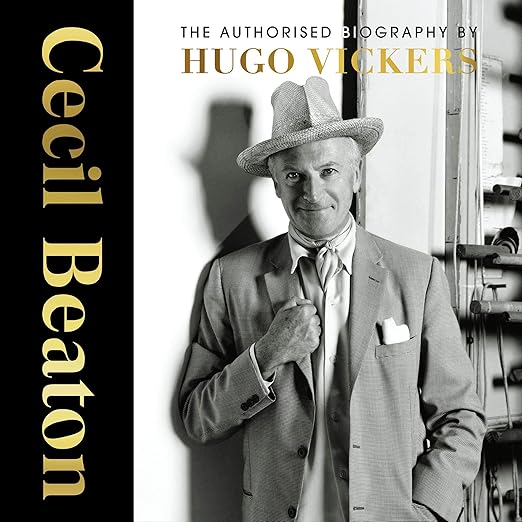
Byline and reader credit belong to the same person, Hugo Vickers. The same person wrote this six-hundred-page life and reads it aloud, which is a different proposition from a hired performer working through a script, and on material this dense with names it is usually the better arrangement. It is also, and this matters, the only thing about the recording that the listing chooses to tell a buyer anything about.
Arithmetic offers a small reassurance the description will not. Six hundred and fifty-six pages across twenty-seven hours and thirteen minutes comes to roughly twenty-four pages an hour, an ordinary unhurried pace for a complete reading rather than the compressed rate an abridgement would show. Nowhere does the page use the word unabridged. Those two numbers are the only evidence available, and as far as they reach, they point the right way.
Barbara Simmons Admits She's Reviewing a Cousin
Scope is what the written record praises. CHESTER PAGE, filing five stars in February 2013, calls it a definitive biography and singles out the subject's contributions to theater worldwide and the milieu he thrived in, a much wider claim than the Photography tag on this listing suggests. A life that ran through portraiture, fashion, stage design and the social world connecting them needs room, and a book of this size is the only format that supplies it.
Barbara Simmons, writing five stars in September 2013, discloses something most reviewers never do: Beaton was a cousin on the family tree, which is why several of his books had already been bought before this one arrived. A relative's verdict is not neutral evidence and should not be read as though it were. It is, however, unusually specific about why the subject holds attention, and a stated interest beats an anonymous rave.
Class is the thread the description picks out and then abandons. A middle class childhood is named in nineteen words and never expanded, yet it is the engine of the whole story: the distance between where Beaton started and the rooms he ended up photographing is what makes the career interesting rather than merely successful. A biography with this much space can follow that ascent properly, which a shorter treatment cannot.
A Photographer's Life With Nothing to Look At
Photographs are the obvious casualty. A book-length life of a photographer and stage designer, delivered with nothing to look at, asks a listener to take every described image entirely on trust. This listing carries a Photography tag, the description names the profession in its opening clause, and nothing on the record mentions plates, an accompanying document or any substitute. For a subject whose whole claim on posterity is visual, that is the largest thing to weigh before buying.
Two Objects, One Record, a 3.8 Average
Dates do not line up with an audio product at all. The publication date reads January 1986, the publisher named is a print house, and the three written responses were filed in 2013, 2013 and 2016. All three carry five stars, while the average displayed above them is 3.8 across ten ratings, which means the seven people who wrote nothing graded it considerably lower. The visible pool is the least representative part of the page. Several entries on the record also carry stray invisible characters ahead of their values, the publisher line among them, which is what a scraped page looks like rather than an entered one. Little Brown is the name sitting behind one of those marks.
Text capture has damaged the record too. One of the three responses arrives with its words run together in two places, an artifact of how the text was scraped rather than anything its writer did, and another consists of the single word Excellent beneath a five-star grade. Three responses, one of them one word long, is thin evidence for a purchase this size, and the page supplies nothing else to weigh.
Keep His Photographs Open Beside You While Listening
Biography readers who want a full life rather than a portrait study are the right audience, especially anyone interested in British social worlds observed from the inside. Theater and design enthusiasts will find more here than the Photography tag promises. Listeners who already know the photographs and want the person behind them get the arrangement they want, since the images are the one thing they will not be missing.
Newcomers to the subject should think twice about the entry point, because nothing in nineteen words of description prepares anyone for the scale of what follows. Visual learners face the second filter, and it is the serious one on a book about pictures. Listeners who need a clean modern audio record with a stated recording date, a publisher for the audio edition and an unabridged label will not find those things here.
Judge this purchase on the subject and the scope rather than on the numbers, because those numbers describe more than one object at once. If a long, thorough, sympathetic life of a difficult and enormously talented man is what you came for, the length is a feature. Have a book of his photographs open beside you while you listen, and the format problem mostly solves itself. Anyone unwilling to do that should weigh whether a life spent making images is a life they want delivered entirely in words, because this record makes no provision for it and never claims to.
Before You Listen
Why does this audiobook page show a page count and an ISBN?
Because it was built from print records. A six-hundred-page count, a thirteen-digit book number, a product code matching it and a January 1986 date from a print publisher all sit beside a runtime and a reader credit that can only belong to the audio edition. Nobody separated the two.
Does the audiobook include Beaton's photographs?
Nothing on the listing mentions plates, an accompanying file or any visual supplement. Given that the subject made his name with a camera and then again in the theater, that is the central limitation of this format. Buyers who want the pictures will have to supply them separately.
Is the author also the reader?
Yes. The byline and the reader credit carry the same name, Hugo Vickers, which is the single production fact this listing states outright. On a biography this dense with names and social connections, having the researcher deliver the text is usually an advantage, though nothing on the page comments on how it turned out.