The Short Version
- Narration: Author and narrator are one and the same, which is the only claim on this listing the description does not contradict.
- Themes: Saying yes as a discipline, fear and avoidance, asking for help, self-acceptance
- Mood: Direct, conversational, unashamedly motivational
- Verdict: A genuinely useful memoir undermined by a listing that describes a different product.
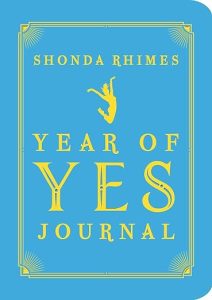
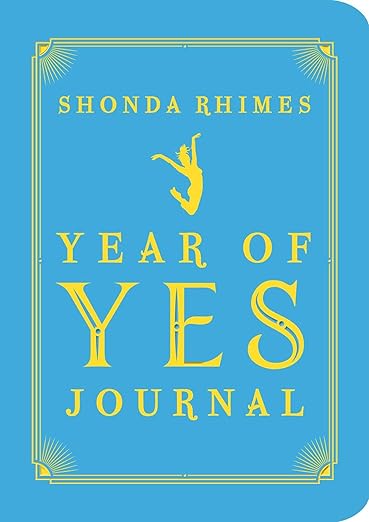
Shonda Rhimes reads her own memoir here, which is the single best thing about this audiobook and also the only thing on the page you can be certain of. The description attached to this listing is not for the memoir at all. It sells a companion journal, and sorting out that confusion is the first job any buyer has, so let me do it before saying another word about the book itself.
She Writes Like People Talk on TV
Premise first, since it survives the muddle intact. As the copy on this page puts it, Rhimes transformed her life by saying one small word, and the book is the account of a year spent saying it rather than declining. It is a memoir organized around a rule rather than around a chronology, which is why the companion product could be broken into monthly themes at all. Saying yes is the structure, not just the subject.
Somebody in the review pool noticed the sentences, and it is the most valuable observation here. Mary, writing in February 2019, describes the prose this way: "She writes like she is talking to you in person, in a sentence or two not like in flowery long paragraphs. She writes like people talk on TV shows." That is an acute piece of reading. A writer whose day job is dialogue has written a memoir in dialogue rhythms, and short declarative units are precisely what survives being spoken.
Look at what people report doing with the book. The same February 2019 response says it "changed the way I look at things in my own life and decisions I make." A January 2024 notice describes handing it to a spouse who "says no to everything," with partial success cheerfully admitted. A four-star response from August 2018 arrives at the material in the middle of a cancer diagnosis and finds clarity in it. This is a book people press on other people.
Rhimes Herself Narrates the Book's Whole Argument
Self-narration is not a bonus here, it is the argument. Rhimes is credited as narrator of her own memoir, and the case for that is made by a reviewer who never mentions audio at all: prose built in one- and two-sentence units, pitched at the cadence of people talking, from a writer who constructs conversation professionally. Material like that is written for a voice before anyone decides to record it. A hired reader would be performing a performance, guessing at where the emphasis falls in sentences designed for a specific delivery. The author reading it is simply finishing the job, and the timing of a book whose entire method is one repeated decision arrives from the person who kept making it.
Themes remain visible even through the wrong description. The companion product organizes itself around headings lifted from the memoir, "Yes to Doing," "Yes to Help," "Yes to Who I Am," and the copy notes that memorable aphorisms from Year of Yes run all the way through it. Those three phrases map the book's shape fairly precisely: action, the difficulty of asking for help, and self-acceptance, in that order. It is a memoir with a thesis and it repeats it deliberately.
Nine hours and forty-nine minutes is also a well-judged length for this kind of book. Long enough to follow a full year and to let the early reluctance register before the changes start compounding, short enough that the central instruction does not wear thin. Memoirs built on a single rule often run out of road; the readable responses here, spread from 2017 to 2024, suggest this one keeps finding readers who needed the rule at that moment.
Contamination Runs Through the Review Pool
Metadata on this page is a genuine mess and you should treat it as a warning rather than a curiosity. The description sells an illustrated aspirational journal with monthly prompts, a six-month check-in and a gold foil-stamped blue case. The record also carries a 464-page count, a print ISBN and a hardcover publisher. None of that belongs to an audio edition, and a foil-stamped case is not something a listener will ever hold. Confirm which product you are actually buying before you pay.
Contamination runs through the review pool as well. Of the five written responses, two describe a physical journal, one from January 2017 praising an object that "feels great in your hands," the other reporting the reviewer is only just starting it. Two describe reading the memoir. The fifth splits the difference explicitly, loving the book while noting that the activity version is still sitting on a list for later. So the 4.5 average across 242 ratings is not grading a single object at all. Read each response for what it names before you let that number mean anything.
Register deserves a final word. This is a memoir that behaves like advice, complete with aphorisms designed to be extracted and printed on something. If you find affirmational framing grating, the same qualities that make the book quotable will make it tiring, and the fact that a publisher could build an entire prompt-driven companion out of it tells you how portable the message is meant to be.
Closing the Gap Between Advice and Testimony
People in a stalled patch, or just coming out of one, are the right buyers. The same goes for anyone who has ever declined an invitation out of pure dread and regretted it later. The readable responses come from people at very different life stages, which suggests the rule generalizes better than most memoir advice does. Buy it for somebody else, too, if the January 2024 review is any guide, though that reviewer is admirably honest about the limits of the tactic, reporting that the recipient read it and that it helped some.
Behind-the-scenes television history is not what this listing describes, and nothing in the copy or in the readable responses points that way, so adjust if that is what you came for. Anyone who wants a memoir that resists tidy conclusions will be poorly served, since the whole design of this one is to arrive somewhere useful and say so.
I hold a standing bias against books that reduce to a slogan, and this one converted me anyway, largely because of who is speaking. Hearing an author say the frightening things out loud, in the rhythms she uses professionally, closes the gap between advice and testimony in a way print cannot quite manage. Sort out which product you are buying, then let the person who lived the year tell you about it.
Questions Listeners Ask
Why does this Year of Yes audiobook listing describe a journal?
Because the wrong product description has been attached. The text sells an illustrated companion journal with monthly prompts and a foil-stamped case, and the record also carries a 464-page count, a print ISBN and a hardcover publisher. The memoir itself is what the audio edition contains.
Does Shonda Rhimes narrate Year of Yes herself?
Yes, the narrator credit and the author credit are the same name. One reviewer describes the prose as short units written the way people talk on television, which is the strongest possible argument for the author reading it: the sentences were built for a voice before anyone recorded them.
How long is the Year of Yes audiobook?
Nine hours and forty-nine minutes, which suits a book following a single year under a single rule. That is long enough for the early reluctance to register before the changes start compounding, and short enough that the central instruction does not begin repeating itself into wallpaper.