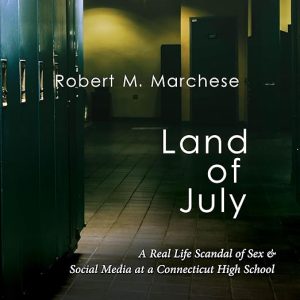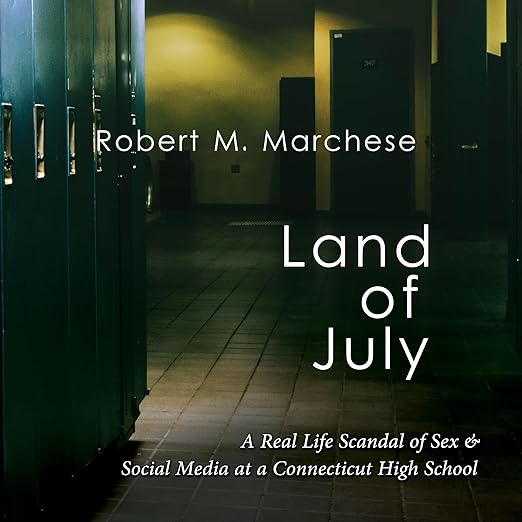
Averages this low are unusual on a page carrying two hundred and fourteen ratings, and 3.9 is what this audiobook shows. The recording runs eight hours and twenty-four minutes with David S. McIntosh credited, and the five written responses sitting beneath that figure average a good deal higher than it does. Working out why is most of the job here.
Letters to Bitterness Close Every Chapter
Marchese was there for all of it, which is the fact that governs everything else. An ordinary January afternoon brings a revelation about his wife; what follows is public humiliation, then lawyers, judges, therapists and law enforcement in sequence. The case underneath it, a teacher and student scandal that reached national news, wrecked a school and a suburb as well as a marriage. One reader describes a family torn apart in front of the author's eyes. The copy's own summary, salacious and sobering in equal measure, is unusually candid about the two appetites the book serves at once.
Letters close the chapters, and nobody would learn that from the description. A reader names them as the best part of the book: short addresses written at the end of each chapter to marriage, to bitterness, to his own mouth, among others. That is a recurring formal device, it demands a different register every time it arrives, and it is the single most audio-relevant thing anybody has written about this title. A device like that either becomes the best part of a recording or the part listeners wait out, and nothing on the page indicates which.
Motive is what the pool argues about, and it argues at length. One response spends its space rebutting the charge that the book is a money grab, while a three-star account makes precisely that charge and adds that the author writes as though avoidable mistakes are something everybody else makes. The question of whether the book should exist at all takes up more room than any assessment of it does. For a buyer that means the visible pool is arguing about a decision to publish rather than about a book to buy, which is a strange inheritance eight years later.
McIntosh Reads Letters Addressed to Abstractions
Court proceedings, therapy rooms, a collapsing household and those chapter-closing letters each want a different pitch, and David S. McIntosh has the reading. The letters in particular are direct address to abstractions rather than to a listener, which is an unusual thing to ask of a performer. Eight hours is a sensible size for material this concentrated, and Black Rose Writing is the publisher of record with nothing further disclosed about how the audio was made.
Craft, not scandal, is what the more considered responses value. One calls the prose naturally flowing and artfully written; another credits a style full of reflections on life and the courage the telling required. Both of the longest accounts engage directly with the charge that the book was written for revenge or for money, and one of them concedes in the same breath that any memoir risks a slanted perspective. That is fairer reading than most of the argument surrounding it.
At least one person is reading this as a practical text rather than as entertainment. A four-star response describes finding the book enlightening and helpful, wishes a family member had been alive to read it, and recommends it to anybody discovering that a partner has been unfaithful. That is a different use case from true crime curiosity, and it may be the more honest one. The recommendation is unusually specific about who the book is for, which counts for more than a star rating on material this personal.
All Five Reviews Predate This Recording by Years
March 2026 is the audio release date. All five written responses are dated 2018, nearly eight years earlier, so not one of them concerns this recording, its reading or its pacing. What they assess is the book, and the argument they are having, about whether the author should have published at all, was settled in its own moment long before anybody spoke a word of it aloud.
Disclosure arrives in the opening sentence of one five-star account, which says friendship with the writer makes the review biased. Honesty is to its credit, but on a page with only five written responses it removes one independent voice from the sample. What remains is one four-star, one three-star and three at the top grade, one of those written by a friend of the author.
Two Hundred Silent Voters Pulled the Score Down
Distance between the visible responses and the aggregate is the thing to weigh hardest. Five accounts averaging comfortably above four sit beneath a 3.9 assembled from two hundred and fourteen votes, which means roughly two hundred people graded this book without writing anything and their scores ran lower. The page shows you the enthusiasts and hides the majority pulling the number down.
Categories confuse things further. A first-person account of a marriage ending appears under biographies and memoirs and simultaneously under mystery, thriller and suspense, carrying a true crime tag. Anybody arriving from a thriller search gets a memoir, and anybody expecting reported investigation gets one participant's account. The description is honest about which it is; the labels are not.
The Account Is One-Sided by Design
People who read personal accounts of betrayal, divorce and reputational collapse are the natural audience, and one response makes the case for the book as something practical rather than voyeuristic. Anybody in the middle of a similar situation may find the letters, in particular, do something a straightforward narrative would not. Addressing an abstraction directly is a way of saying things a chronological account has no room for, and it is the single formal choice in this book that a recording could genuinely improve.
True crime listeners will get the scandal, but should understand the vantage point. This is one participant's account of a case that made national news rather than a reconstruction assembled from records, and the more thoughtful responses acknowledge that perspective shapes what gets included and what does not. Anybody who follows cases like this knows how much of a public version gets settled by whoever speaks first.
Balance is not on offer; the account is one-sided by design and the pool argues about whether that was justified. Buyers looking for evidence about the recording will find none, since every written response predates it by years. Judge the writing on a sample and treat the 3.9 as a warning that many quiet listeners disagreed with the enthusiasts.
- Read by: David S. McIntosh reads a memoir whose chapter-ending letters demand a register the narrative never uses.
- At its heart: infidelity and public humiliation, a scandal that made national news, legal attrition, one family's collapse.
- Vibe: raw, aggrieved and unusually candid.
- Short version: a bruising first-person account whose 3.9 average tells you more than its five enthusiastic reviews do.
Questions Listeners Ask
Do any reviews describe this audiobook edition?
Not one. Every written response is dated 2018 while the audio arrived in March 2026, so the pool assesses the printed book alone. Nothing published evaluates the reading, the pacing, or how those chapter-ending letters are handled once somebody has to say them out loud.
Is this audiobook a true crime investigation or a memoir?
A memoir. The listing files it under both true crime and mystery headings, but the copy is clear that a participant is telling his own story of a scandal that engulfed his marriage. Expect one perspective rather than a reconstruction built from documents, interviews and court records.