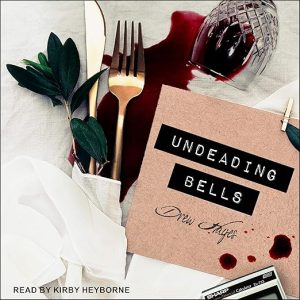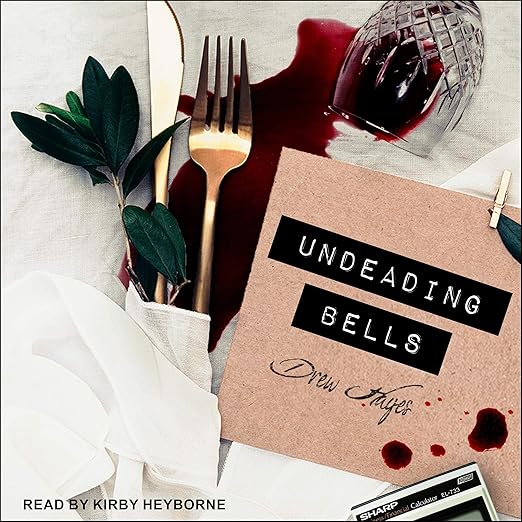
Come to this one already knowing Fred and it hands over precisely what five previous books have trained you to want. Come to it cold and you will spend the better part of a working day watching strangers organize a wedding you have no stake in. That verdict belongs at the top, because it is the only thing about this audiobook a buyer genuinely needs settled first. Undeading Bells is the sixth entry in Drew Hayes's running comedy about a vampire who kept his accounting practice, and it is aimed squarely at readers who have been aboard since the beginning.
What Drew Hayes Delivers
Domestic is the register this time, and all the better for it. Fred is marrying Krystal, and before he can, he has to visit Boarback, hire new staff and clear a schedule that has never once been clear, all of which the description lists with the deadpan of a man working through a checklist. Meanwhile old debts surface and old grudges reignite, because not everyone regards the occasion as good news. A wedding is a shrewd structure for book six of a comic series: it gathers the entire cast in one place and gives them a deadline.
Red Eye Jim's notice offers the sharpest framing anywhere on the listing, calling six books a first act and then justifying it, on the grounds that creatures measuring their lives in millennia have barely begun after six years of story. That is a serious reading of what looks like a light series, and it captures why these books hold their readership. Matt F., filing four stars the same day, says the same thing from the other side: the characters keep deepening as the series proceeds, and that growth is the standard this notice measures the book against.
What makes the comedy work is that Fred does not. He remains, as one longtime reader puts it, a genuine, down-to-earth, polite-but-firm, detail-oriented accountant, and the joke never stops being that a supernatural world keeps running into a man who wants the paperwork done properly. Six books in, that could easily have curdled into a routine. It has not, and the wedding gives it somewhere new to point.
Kirby Heyborne holds the credit, and this particular installment sets the hardest version of a job that has run across the whole series. A wedding book is an ensemble book by definition: Fred, Krystal, the friends, the staff, the creditors and the grudge-holders all converge on the same event, and four of the five written responses name character as the reason they keep buying. In print a name at the head of a line of dialogue does the sorting for you. Heard aloud, a single voice has to keep the whole returning ensemble apart while the jokes depend on knowing instantly who spoke.
Humor of this kind travels well into audio, which is not true of every comic novel. It lives in timing and understatement rather than in wordplay or typography. Jim Stoltz sums the mixture up as plenty of action, snark and humor delivered at what that notice calls perfect pacing, and was already planning a reread at the time of writing. Nothing in the comedy depends on how a sentence looks on a page, so nothing gets left behind in the move to a recording.
Length is a genuine feature for the right buyer. Eleven hours and thirty-four minutes of an established series, with a cast you already like and a plot heading somewhere fixed, is the shape of listening that survives housework, gym sessions and airports. Red Eye Jim's arithmetic is worth carrying into them: six volumes in, by that reading, roughly six years of Fred's life have gone by, which is nothing whatsoever to creatures who count their lifespans in millennia. This is a series with every intention of continuing.
Where Drew Hayes Loses Some Ground
Something is broken in the rating display here, and it is worth saying plainly. A 4.7 average sits above a single rating, which cannot happen: one vote can only award a whole number of stars, so 4.7 is not a value one person could produce. Meanwhile five people have written at length on the same page. Ignore the headline figure entirely here and read the five, because they are the only evidence on the listing that describes the book at all.
Two content notes matter more. Jeff Dioclese, filing days after the text first appeared, flagged a handful of editorial errors, mostly missing or transposed words, and predicted that later versions of the digital edition would fix them. This recording arrived roughly two months after that notice, and the listing never says which version of the text it was made from, so a listener who trips over an odd sentence now knows where it may have come from. The second note is Matt F.'s reservation about a character change considered too large to spoil, held responsible for the missing star. Six books of growth eventually produce a version of somebody that not every reader wanted.
Who Should Pick Up Undeading Bells
Anyone who has read the previous five should simply buy it. The wedding pays off relationships built across the series, the tone holds steady, and the reaction from returning readers is close to unanimous in its warmth even where the grades differ. Listeners who like their urban fantasy funny, low on angst and high on competent people solving practical problems will find the whole series worth starting.
Steer clear if you want a standalone. The description opens with a reference to an examination by the Blood Council, assumes you know who Krystal is and why the marriage matters, and offers no orientation to anybody arriving fresh. Steer clear too if wedding-planning comedy sounds like a chore, because that is genuinely most of the plot.
The strongest argument for the whole enterprise belongs to the reader who noted how rare it is for a long-running series to keep going without jumping the shark, and then said this one has managed it six volumes deep. That is the real claim being made here. Start at book one, arrive at this wedding having earned it, and the hours will pass faster than the number on the listing suggests.