Quick Take
- Narration: Virtual Voice narration keeps this accessible but loses the oral storytelling warmth these folklore tales genuinely deserve.
- Themes: Salvadoran folklore and mythology, intergenerational cultural memory, the supernatural as moral instruction
- Mood: Atmospheric and campfire-intimate, occasionally eerie
- Verdict: A rare and valuable collection of Salvadoran folklore in English, though the AI narration is a significant limitation for material this rooted in oral tradition.
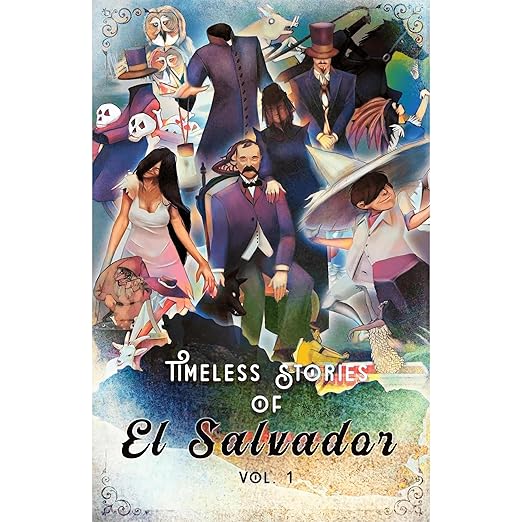
I came across Timeless Stories of El Salvador while looking for folklore collections that go beyond the usual European canon, and this one genuinely fills a gap. Salvadoran mythology in English is remarkably hard to find, and Federico Navarrete has assembled over thirty tales, from the Cadejos to the Siguanaba to the Izalco Volcano, that have been passed down through generations and that most English-speaking listeners would have no other way to encounter. There is real cultural value here, and that deserves to be said plainly before any reservations about the packaging.
The collection is organized around the major figures of Salvadoran supernatural tradition. The Siguanaba, the vain and beautiful woman who haunts rivers to frighten bad men, is here alongside the Cipitio, the Headless Priest, and the full cast of regional spirits, monsters, and trickster figures. Several stories share characters and settings across different tales, creating what one reviewer accurately described as shared worlds, a kind of mythological continuity that suggests these are not isolated legends but part of a coherent cosmology.
Our Take on Timeless Stories of El Salvador
The writing itself is, as one reviewer put it, simplified and easy to read, which appears to be a deliberate choice. These are tales meant to be shared around a campfire with bilingual parents, in the reviewer’s words, and that accessibility is a genuine feature for the right audience. Navarrete is not trying to write literary fiction. He is trying to transmit cultural memory in a format that is usable across generations and language backgrounds. If you read the collection with that purpose in mind, the clean prose works well. Each tale is relatively brief and self-contained, which makes the listening experience episodic in a satisfying way.
Why Listen to Timeless Stories of El Salvador
The cultural rarity factor is the primary argument. Several reviewers, particularly Salvadoran readers and diaspora listeners, noted the nostalgic quality of hearing stories they recognized from childhood, and the emotional resonance of having those stories documented in accessible English. For non-Salvadoran listeners, the collection offers genuine education about a mythology that does not appear in most multicultural folklore anthologies. The shared character universe across tales gives the collection a coherence that single-entry folklore collections sometimes lack, and the variety of tale types, from moral fables to straight horror to origin stories, keeps the listening experience from becoming repetitive.
What to Watch For in Timeless Stories of El Salvador
The Virtual Voice narration is this collection’s most significant limitation. Folklore is, by its nature, an oral form. These stories were passed down by voice, shaped by the particular cadences of storytelling tradition, and the mechanical quality of AI narration works directly against that heritage. A skilled human narrator, ideally one with genuine connection to Salvadoran oral tradition, would transform this material. As it stands, the narration is serviceable but emotionally flat in ways that occasionally work against the atmosphere Navarrete is trying to create. Listeners particularly sensitive to AI narration should know this upfront. The collection runs just over three hours, which is appropriate for the material. The book also presents an interesting structural question about authorship and curation. These are oral tales that have circulated for generations, and the collection credit to Federico Navarrete positions him as curator and translator rather than originator. That distinction matters for listeners thinking about what they are hearing. This is cultural transmission, not original fiction, and the value lies in the preservation work as much as in the individual tales. The Salvadoran diaspora readers who noted the nostalgic quality of hearing these stories in English are responding to something real: the act of documentation is itself meaningful.
Who Should Listen to Timeless Stories of El Salvador
Listen to this if you are curious about Central American mythology and have not found it represented elsewhere. Listen if you are of Salvadoran heritage and want to hear these stories documented in English. Listen if you teach or parent across cultures and need accessible folklore material. If the Virtual Voice narration is a dealbreaker for you, the written version may be the better choice, particularly for a collection this rooted in oral tradition. But the content itself earns a listen for anyone interested in the enormous range of supernatural tradition that exists outside the familiar European frameworks.
Frequently Asked Questions
Is this a good introduction to Salvadoran culture for someone who knows nothing about El Salvador?
Yes, for the mythological and folkloric dimension specifically. It will not give you historical or political context, but it does offer a coherent window into the supernatural belief system and the moral values encoded in the stories.
Are the tales suitable for children, or is this adult horror content?
The collection ranges from family-friendly moral fables to genuinely eerie supernatural tales. The Siguanaba and similar figures carry real menace, and some tales have dark endings. Parents should preview individual stories for younger audiences.
Does the Virtual Voice narration significantly detract from the experience?
For folklore specifically, yes, more than in other genres. These stories were designed to be told aloud with human expressiveness. The AI narration makes them accessible but loses the warmth and rhythm that oral tradition requires.
Do the stories share characters across tales, or is each one completely standalone?
Several characters recur across different stories, creating a loose shared mythology. The Cadejos, the Siguanaba, and the Cipitio all appear in multiple narrative contexts, which gives the collection more coherence than a simple anthology.