Quick Take
- Narration: Virtual Voice AI narration handles the instructional list format adequately, though the 36-minute runtime leaves little room for engagement beyond content delivery.
- Themes: Thrift-to-resale sourcing strategy, eBay and Amazon marketplace basics, beginner entrepreneurship mindset
- Mood: Brisk and practical, aimed at absolute beginners with no assumed prior knowledge
- Verdict: At 36 minutes this is a quick orientation rather than a comprehensive guide, most useful as a first map of the territory for complete newcomers to reselling.
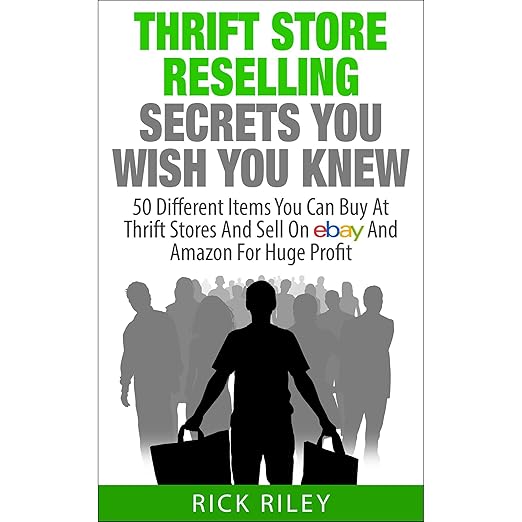
Thirty-six minutes. That is the full runtime of this audiobook, which is worth stating at the outset because the listener’s relationship to what follows depends entirely on understanding what they are buying into. This is not a comprehensive guide to thrift store reselling. It is a brisk, beginner-oriented overview of 50 categories of items that can theoretically be bought cheap and sold for profit on eBay and Amazon. Treated as that, and not as something more ambitious, it is a reasonable 36 minutes.
I listened to this one on a short walk, which turned out to be exactly the right format. Rick Riley moves quickly through categories and tips, the Virtual Voice AI narration keeps a steady, functional pace without any particular warmth, and the effect is something close to a well-organized listicle read aloud. For a listener who has never thought seriously about reselling and wants a fast orientation before deciding whether to go deeper, that is a legitimate use of the format.
What the 50 Items Actually Tell You
The core promise of the book is access to 50 categories of thrift-store items worth flipping. Riley covers categories ranging from vintage electronics and gaming systems to clothing labels and sports equipment, with brief notes on what makes each category valuable and where to look for the highest-margin pieces within it. One reviewer, newly retired, noted that the book gave her and her husband a realistic sense of what to expect before starting, which is about the right expectation to bring. Another reviewer remembered having discarded a gaming system she later learned was valuable, which captures the book’s main practical utility: it expands your recognition of what has hidden resale potential before you encounter those items in the wild.
The tips around listing strategy and goal-setting are more generic. The sections on having a Plan B, setting goals, and staying focused are the kind of content that appears in virtually every beginner entrepreneurship guide, and they do not add much to the specific value of the 50-item list. At 36 minutes total, there is not enough room to develop any of these ideas into practical frameworks, so they remain at the level of orientation rather than instruction. That is a reasonable tradeoff for the runtime, but listeners expecting tactical depth should calibrate accordingly.
The AI Narration Question
Virtual Voice narration has become standard for certain independently published titles in the how-to and self-help space, and for short instructional content like this, the tradeoffs are manageable. The voice is clear and correctly paced for the list-based format. It does not try to perform enthusiasm or inflect for emphasis in the way a skilled human narrator would, which means the content sits at a fairly flat register throughout. For listeners who are sensitive to AI narration quality, this is a 36-minute commitment, which limits the exposure considerably compared to a full-length title narrated by the same technology.
One reviewer identified the book as good but very basic and somewhat disorganized, which is fair. The organizational logic behind which items appear in which sequence is not immediately clear, and a beginner might reasonably want a cleaner taxonomy, perhaps by category of risk, frequency of availability, or learning curve for assessment. The current structure reads more like an assembled list than a curated curriculum, and that limits how useful the sequencing is as a mental model for actual thrift-store walks.
What This Is Good For
The book’s honest use case is activation energy. Multiple reviewers described reading it as a push toward starting a reselling practice they had been considering but not pursuing. That function, the short, low-commitment nudge that makes the next step feel accessible, is real and not trivial. Starting a resale side business has a lot of friction around not knowing where to begin, and this book reduces that friction by providing a concrete list of things to look for on the next thrift-store visit. Whether that list represents current market conditions is a separate question the book cannot fully answer, since thrift market values shift and items that were reliably profitable a few years ago may have changed significantly with platform fee changes and category saturation.
For a listener already operating a resale business, even at beginner level, there is little here that would be new. The listing tips and goal-setting frameworks cover ground that eBay’s own seller guidance addresses in more depth. This is for people who have never considered the category before and want a fast way to see if it interests them before investing time in more comprehensive resources.
Right Expectations for the Right Listener
Complete beginners to thrift store reselling who want a quick orientation will find genuine value here. Anyone with more than casual familiarity with eBay and Amazon reselling will finish in 36 minutes having learned little new. The AI narration is functional but not engaging, so listeners who find that format frustrating should note it before committing. As a starting point before moving to more detailed guides on specific categories, this is a reasonable first stop. As a standalone resource for building a resale business, it is too thin to carry that weight on its own, and should be treated as an entry point rather than a destination.
The specific categories Riley covers include vintage electronics, gaming consoles, branded clothing, sports memorabilia, collectible books, and kitchenware, among others. The brief descriptions of what to look for within each category are the most useful part of the book: knowing that a particular brand of vintage cookware commands prices that justify the weight of carrying it out of the thrift store is the kind of specific, applicable knowledge that makes the listening time worthwhile. That specificity is present in the best sections and absent in the more generic motivational passages.
Frequently Asked Questions
Is the 36-minute runtime a typo, or is this really a very short audiobook?
The 36-minute runtime is accurate. This is a brief instructional overview rather than a full-length guide. It is best understood as a quick orientation to the 50-item categories and basic reselling concepts rather than a comprehensive business manual.
How current is the advice in a book published in 2023 about eBay and Amazon resale values?
Resale markets shift relatively quickly, and some category values will have changed since publication. The broad categories of items worth looking for remain valid as starting points, but listeners should cross-reference current sold listings on eBay for specific items before making purchasing decisions.
Does the Virtual Voice AI narration significantly affect the listening experience for this type of content?
Less so than it would for narrative or memoir content. For a list-based instructional guide, the flat delivery is adequate. Listeners who are particularly sensitive to AI narration quality will notice it, but the short runtime limits the exposure.
Is there anything in this book that would be useful for someone who already sells items on eBay or Amazon?
Probably not. The content is aimed squarely at people who have never considered reselling. Anyone with existing marketplace experience will find the material basic and the listing tips familiar from standard platform seller guidance.