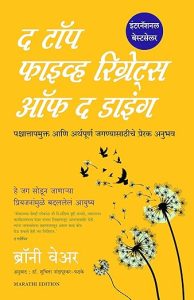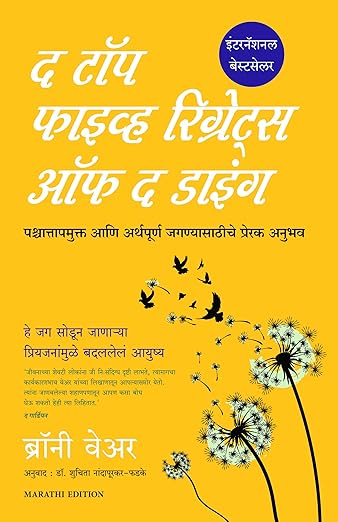
Bronnie Ware spent years as a palliative care worker, sitting with people in the last weeks of their lives, and she began recording what they told her: not in formal research, but in the kind of honest conversation that becomes possible when nothing is left to protect. The audiobook of The Top Five Regrets of the Dying is narrated by Ware herself, which matters in a way that is difficult to fully articulate until you experience it. This is not a book she wrote from a distance. It is testimony, and hearing it in her own voice makes that distinction felt across all nine hours of the recording.
Is The Top Five Regrets of the Dying Worth Your Time?
The regrets Ware documented began as a blog post that circulated far beyond anything she anticipated, because they named something that people recognized immediately and painfully. The regrets concern specific choices about courage, authenticity, work, connection, and the willingness to let oneself be happy. What makes this more than a list is the memoir structure Ware builds around it. She does not simply report what her patients told her; she traces how their words changed the way she herself lived. The book is as much an account of her own transformation as it is a record of the people she cared for.
One reviewer describes referencing the book daily 'as a reminder that we need to be clear what our priorities are in this life,' which captures the functional relationship many readers develop with it. Another found it changed their entire perspective on their own life. That kind of resonance is rare and it is not manufactured. It comes from Ware's willingness to write about deeply difficult material without armor and without the distance that clinical language provides. The result is a book that many readers find genuinely difficult to finish in a single sitting, not because it is technically demanding, but because it keeps asking the listener to look at their own life rather than simply watching someone else's.
The self-narrated audiobook format gives this material a dimension that print cannot fully replicate. Ware's voice carries the weight of what she witnessed, and there are passages in this nine-hour recording where you become aware you are hearing something that cost something to say. The audio version also preserves the rhythm of her prose: spare and direct, with the clarity of someone who learned from proximity to death that ornamentation is a form of avoidance.
The listening experience rewards patience. This is not a book that delivers its value in the first chapter and then confirms it for two hundred pages. Ware builds the memoir gradually, and the cumulative effect of the individual stories and the regrets they illustrate arrives somewhere in the middle hours with a force that is harder to resist than the listener might have expected. The nine-hour runtime allows the memoir to breathe, to return to themes from different angles, and to give the individual people Ware cared for enough space to exist as full presences rather than illustrations. This is a book that changes character the longer you stay with it.
Before You Commit to The Top Five Regrets of the Dying
The book is simultaneously a memoir, a self-help framework, and a piece of personal testimony, and different listeners will respond to these registers differently. Those primarily looking for a practical action framework may find the memoir sections slower than they want. Those primarily interested in palliative care as a subject will find this more personal and less clinical than academic work on the topic. The five regrets themselves are simple, genuinely simple rather than reductively simple, and some listeners arrive expecting complexity and find the clarity of the regrets almost disappointing until they sit with them long enough to understand why simplicity is precisely the point.
A note for prospective buyers: this title appears to have been published in multiple language editions, and some editions circulating online carry non-English synopses. Listeners who want Ware's original English narration should verify the edition details before purchasing, as the self-narration is central to the audiobook's appeal and would not be present in translated editions recorded by other narrators.
Should You Listen to The Top Five Regrets of the Dying?
People at inflection points, a health crisis, a significant loss, a career change, a relationship ending or beginning, often find this book at the right moment. It works as a prompt for reflection rather than a program for change, which means it rewards listeners who are willing to do the internal work that the memoir invites. Healthcare professionals who work with patients facing serious illness will find both the content and the perspective professionally meaningful. Those who are constitutionally resistant to introspective non-fiction or who want hard data and frameworks rather than testimony may find the approach too experiential. But for listeners willing to spend nine hours in honest company with someone who watched people face the end of their lives with clarity about what they wished they had done differently, this is quiet and important work.
The audiobook also works well in multiple listening postures. Some people absorb it over a single weekend with genuine intensity. Others return to individual chapters at different points in their lives, using the specific regrets as a lens for examining particular decisions. One reviewer noted they reference it daily as a reminder to stay clear about priorities, which suggests the material holds up to repeated encounters rather than burning bright and fading. For a book built around lessons learned at the end of life, that lasting relevance is the most persuasive endorsement possible.
At a Glance
- Narrator: Bronnie Ware narrates her own memoir with the unhurried intimacy of someone speaking from lived experience; the self-narration is essential to the material's emotional authenticity.
- Subjects: Mortality and perspective, the courage to live authentically, the gap between the life we live and the life we want
- Tone: Reflective and quietly transformative, with moments of genuine sorrow and hard-won clarity
- Bottom line: A rare memoir that uses the closeness of death to illuminate how the living might choose differently, narrated with the conviction of someone who absorbed every one of its lessons firsthand.
Frequently Asked Questions
Does Bronnie Ware narrating her own audiobook make a noticeable difference compared to a professional narrator?
Significantly, yes. The self-narration is part of what makes this an authentic listening experience. Ware's delivery is unhurried and personally invested, and you hear throughout that she is speaking about people she actually cared for. A professional narrator would have difficulty replicating that quality.
Is this audiobook primarily a spiritual text, or does it have relevance for secular listeners as well?
It sits in spiritual self-help but does not require any specific spiritual framework to engage with. The regrets Ware documents are universal, concerning courage, authenticity, work-life balance, friendship, and happiness, and they resonate across religious and secular contexts alike.