Quick Take
- Narration: Dave Wiedis narrates his own work, and the self-narration creates an intimacy that suits the confessional, pastoral tone of the material.
- Themes: ministry self-sabotage, ruling passions, spiritual flourishing
- Mood: Reflective and earnest, with the cadence of a counseling session
- Verdict: A focused and unusually honest look at the internal pressures that derail ministry leaders, grounded in decades of actual counseling experience.
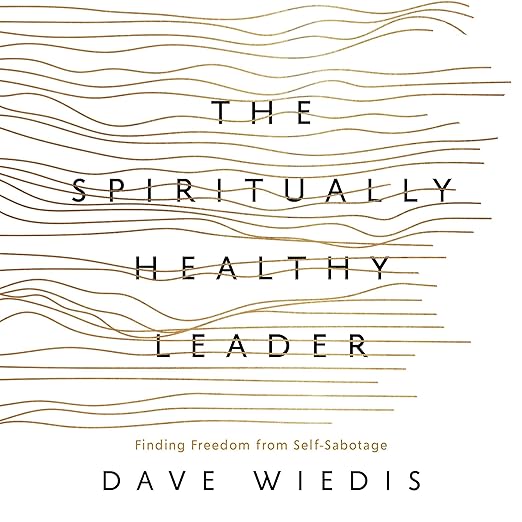
I finished The Spiritually Healthy Leader on a Sunday morning, which felt appropriate. Dave Wiedis, the founder of ServingLeaders Ministries, has built something here that resists the usual shape of ministry self-help: it is less a list of best practices and more an extended attempt to name the interior forces that make effective leaders their own worst enemies. That is a harder thing to write than it sounds, and Wiedis largely manages it with the measured authority of someone who has spent decades in actual counseling rooms rather than writing about them from a distance.
The book’s central argument is that ministry leaders rarely collapse from external pressure. What undoes them, Wiedis contends, are their ruling passions or core commitments: the functionally important things that quietly govern behavior below the level of conscious theology. A pastor might say that Christ is central to his life while being functionally driven by the need for approval, the avoidance of conflict, or the management of reputation. Wiedis draws on decades of counseling pastors, counselors, and teachers to identify these patterns and, more usefully, to suggest the specific gospel-focused work that can shift them. The framework is rigorous without being academic, and the examples, drawn from his counseling experience, feel like real situations rather than illustrative fictions.
Our Take on The Spiritually Healthy Leader
What distinguishes this from the broader Christian leadership genre is the psychological texture. Wiedis does not simply apply Bible verses to problems and call it done. He is genuinely interested in how wounds from the past work their way into present behavior, how unprocessed emotional pain becomes embedded in the way a leader relates to God, to their congregation, and to their family. One reviewer noted that the book helped them understand their struggles in ways years of therapy never did, which is a striking claim but consistent with what the book actually offers: a Christ-centered framework for examining interior life that is more specific than most devotional material and more spiritually grounded than most therapy-informed self-help. The accompanying PDF available in Audible Library extends the book’s practical reach well beyond the listening session itself, providing exercises and reflection prompts that transform passive listening into active work.
Why Listen to The Spiritually Healthy Leader
Wiedis narrates his own book, and this is one of those cases where self-narration genuinely serves the content. His voice carries the measured, unhurried quality of someone accustomed to sitting with people in difficult conversations. There is no performance to it. He reads as someone who has had these conversations many times and is not trying to impress anyone, which is exactly the right register for material asking listeners to look honestly at themselves. At just under eight hours, the length is appropriate for the depth of content without becoming exhausting. The pacing allows the more challenging ideas to settle before moving forward, which matters for material that asks the listener to examine their own interior life rather than simply absorb information.
What to Watch For in The Spiritually Healthy Leader
The book is titled for leaders, but multiple reviewers note that the content extends well beyond that demographic. If you are a layperson navigating the same interior struggles, the framework is equally applicable. The explicitly Christian framework is not background noise; it is the load-bearing structure of the book. Listeners looking for a secular psychological approach to the same material will find this a poor fit. And while Wiedis writes with warmth and care, the material does require a willingness to sit with uncomfortable self-examination. One reviewer described it as requiring genuine effort and commitment to engage with the deeper material, and that is an honest characterization of what the book asks.
Who Should Listen to The Spiritually Healthy Leader
This is for pastors, counselors, ministry workers, and any Christian listener who suspects that their interior life is working against their stated values and relationships. It is particularly valuable for those who have tried conventional approaches without finding real traction. Skip it if you want practical leadership tactics without the spiritual formation dimension, or if the Christian framework is not meaningful to you.
Frequently Asked Questions
Is The Spiritually Healthy Leader only useful for pastors and ministry professionals?
Despite the title, multiple readers have found it equally valuable as a layperson. The framework for identifying ruling passions and self-sabotage patterns applies to any Christian navigating these interior struggles.
Does Dave Wiedis’s self-narration work, or would a professional narrator serve the material better?
The self-narration works well here. Wiedis’s counseling background gives him a measured, unhurried delivery that fits the reflective tone of the book. It feels like pastoral conversation rather than performance.
What is the PDF companion that comes with the Audible version, and is it worth using?
The PDF provides practical exercises and reflection prompts that extend the book’s application beyond passive listening. It is available in your Audible library after purchase and adds genuine value if you want to work through the material rather than just absorb it.
How does this book handle the relationship between psychological wounds and spiritual growth?
Wiedis takes both seriously without collapsing them into each other. He acknowledges the role of past wounds and emotional pain in shaping present behavior, then situates the path to change in a specifically Christ-centered framework rather than a generic therapeutic one.