Quick Take
- Narration: Tom Parks handles a multi-contributor essay collection with steady professionalism, giving each chapter consistent clarity without overcrowding the distinct voices of the contributing authors.
- Themes: Reformed Christian manhood, spiritual leadership, finishing well in faith
- Mood: Devotional and serious, with a strong sense of pastoral purpose
- Verdict: A thorough and well-structured resource for Reformed Christian men seeking a comprehensive framework for godly living across all life’s domains.
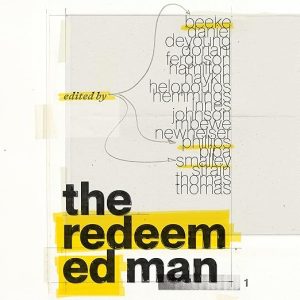
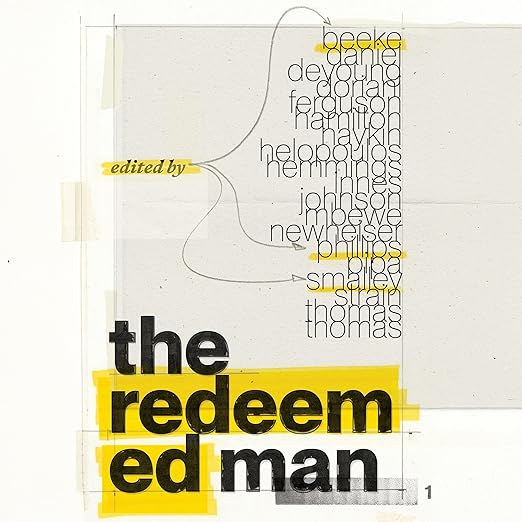
I came to The Redeemed Man on a quiet Sunday afternoon, which felt like the right conditions for a book this deliberately serious about its subject. Edited by Joel R. Beeke, this is a 22-chapter collection featuring contributions from pastors, husbands, and fathers across the Reformed tradition, and it addresses what the book positions as an urgent question: where are the men the church needs?
The framing is direct. In an age of cowardice and compromise, the editors want men who are both strong and godly, rooted in Scripture and oriented toward their obligations to home, church, and society. If that framing resonates with your reading of the current moment, the book will feel like something that has been needed. If it does not, the theological and cultural assumptions are embedded deeply enough that the book will be a harder listen.
Our Take on The Redeemed Man
What distinguishes this collection from most books on Christian manhood is its scope. As one reviewer noted, most books in this space focus on a single dimension: leadership, or cultivating traditional virtues, or family roles. The Redeemed Man addresses the whole of a Christian man’s life, in his person, his faith, his work, his relationships, and even in his dying. That last section drew specific notice from readers. A book about Christian manhood that takes the end of life seriously is covering ground most similar titles avoid.
The 22 chapters span a wide range of Reformed voices, and the collection benefits from the variety. Individual chapters on singleness, on unforgiveness and resentment, on work and vocation, and on the specific challenges facing men in contemporary church culture each bring a distinct perspective while remaining anchored in the same theological framework. Reviewer Justin Walker found the chapter on singleness particularly valuable, which suggests the book does not assume every reader is already a husband and father.
Why Listen to The Redeemed Man
Tom Parks is a reliable narrator for this kind of material. His voice is measured and clear, and at nine hours and four minutes, the collection is long enough to require a narrator who can maintain consistency across chapters with different tonal registers. Parks does not impose a single emotional color on the whole collection; he reads devotional passages with appropriate weight and practical guidance with straightforward clarity.
The Reformed credentials of the contributors are strong throughout. One reviewer described this as featuring a who’s who of Reformed teachers, and the Reformation Heritage Press imprint, known for serious Reformed publishing, backs that assessment. For listeners within that tradition looking for a resource they can return to and assign to others, the quality and consistency of the contributors is a genuine asset.
What to Watch For in The Redeemed Man
The book is written from a specific theological position, and that position is not incidental to the content. The treatment of masculinity is grounded in a Reformed reading of Scripture, and the cultural critiques embedded in several chapters reflect that perspective explicitly. One reviewer offered a thoughtful discussion of how the so-called manosphere and overly feminized church culture both represent failures from a biblically grounded view, which gives a sense of the cultural engagement level the book attempts. Readers outside the Reformed evangelical tradition may find some of the assumptions require more translation than others.
The collection format means some chapters are stronger than others. At 22 contributions, variation in quality is inevitable. The overall standard is high enough that weak chapters are the exception, but listeners should expect unevenness in a multi-author format.
Who Should Listen to The Redeemed Man
This is an ideal listen for Christian men within the Reformed or broadly evangelical tradition who want a comprehensive and theologically grounded framework for thinking about their roles, relationships, work, and spiritual life. Reviewer Miffed suggested it would serve well as a men’s group or Sunday School study resource, which seems accurate; the chapter structure makes it easy to work through in segments. Listeners looking for a more broadly accessible treatment of masculinity that does not assume a specific theological commitment will need a different book.
Frequently Asked Questions
Is this book written for men who are already Christians, or does it engage with a broader audience?
The book assumes a Christian, specifically Reformed, perspective throughout. It is addressed to men seeking to understand what biblical manhood means and how to live it out. It does not function as an evangelistic or broadly accessible text; it speaks within the tradition rather than explaining it from the outside.
How does the multi-contributor format hold up in audio?
Tom Parks handles the format well, reading each of the 22 chapters with consistent clarity. The shift between contributors’ voices is managed through Parks’s steady narration rather than multiple readers, which maintains coherence across a long listen. The variation between chapters comes from content rather than performance.
Does the book address the concerns of single men, or is it primarily written for husbands and fathers?
At least one chapter addresses singleness specifically, and reviewers noted it as one of the collection’s valuable sections. The book’s scope, covering a man’s person, faith, work, relationships, and dying, is intended to be comprehensive across life stages rather than limited to married men.
What does the chapter on dying cover, and is it genuinely part of a book about manhood?
The inclusion of a section on finishing well and facing death is one of the more distinctive elements of this collection. It addresses how a Christian man approaches the end of his life with faith and dignity, which the editors treat as an integral part of a full account of redeemed manhood rather than an afterthought.