At a Glance
- Performance: Clayton Brown delivers Garrett Monroe's LLC guide with a clean, professional register that suits the instructional material - his pacing through the legal and tax sections is careful without being plodding.
- What it covers: LLC formation and management, tax structure optimization, entrepreneurial foundations
- Feel: Practical and encouraging, structured for first-time business owners
- Our call: A compact, well-organized starting point for anyone considering an LLC who wants to understand the structure before committing to it - particularly strong on tax implications and the formation choices that matter most.
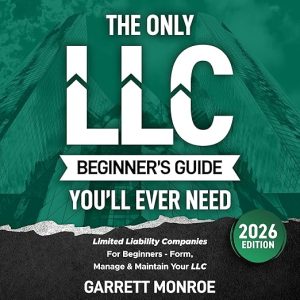
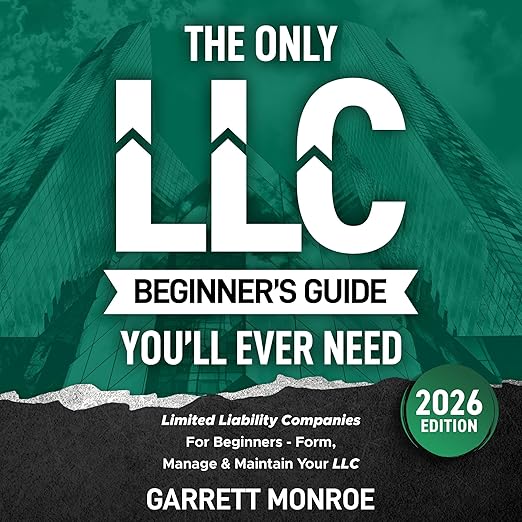
Garrett Monroe's The Only LLC Beginners Guide You'll Ever Need opens from a premise the title essentially states: if you are approaching LLC formation for the first time, you need one clear guide that covers the territory without assuming you already know what you do not know. Clayton Brown narrates across just over three hours, delivering Monroe's explanation of legal structures, tax implications, management decisions, and formation processes in a voice that stays instructional throughout without becoming tedious. The audiobook sits within Monroe's Small Business and Taxes series, and it functions well as an entry point to that catalog - current through 2026, which in this category is a genuine practical distinction from guides that have not been revised for recent regulatory changes.
Liability Protection First, Then the Tax Payoff
Monroe's target reader is unambiguous: someone who has heard that forming an LLC is a smart first step for a business but does not yet know what an LLC actually does, how it differs from other legal structures, or whether it is right for their specific situation. The audiobook delivers on that targeting. The opening chapters establish the fundamental legal distinction between an LLC and its owner - the liability protection that gives the entity most of its practical value - before moving into the tax treatment, which is where Monroe's material is most substantively useful for listeners who have previously found this topic either too technical or too vague to act on.
The section on how legal and business structure affects tax liability is the audiobook's strongest contribution. Monroe's framing of how the same income can be treated differently depending on how your business is structured - the distinction between pass-through taxation, self-employment tax, and the options that open up as your LLC grows - is explained with enough clarity that listeners who have previously found this territory opaque will come away with a functional working understanding. One reviewer described the book as an indispensable resource that offers the perfect mix of practical business advice and legal and financial expertise, which fairly characterizes where the audiobook earns its ratings.
Clayton Brown's Clear Read Across Three Lean Hours
The audiobook's brevity is one of its strongest features. At three hours and 14 minutes, Monroe does not have room for padding, and he does not use the room he has on it. The chapters move efficiently from legal foundations to tax implications to management decisions to the operational considerations of running an entity rather than simply having formed one. For aspiring entrepreneurs who have been putting off this decision because the topic feels overwhelming, the compact runtime makes a meaningful difference: this is a weekend afternoon of listening, not a multi-week project requiring sustained commitment before you have enough information to act.
Clayton Brown's narration fits the material well. He reads the instructional content without rushing through it, and his handling of tax and legal terminology is clear enough that listeners who do not already know the vocabulary can follow the concepts without stopping to look things up. The companion PDF - included in your Audible library with purchase - extends the audiobook's value significantly. The LLC formation checklist, the curated list of recommended formation websites, and the document on common beginner mistakes all address the step immediately after understanding: actually doing the thing. The transition from comprehension to action is where most first-time LLC founders get stuck, and the supplementary materials are designed for exactly that gap between knowing and doing.
Fresh for 2026, Built for Beginners Only
The audiobook is updated for 2026, which is genuinely useful in a category where specific regulations and fee structures change regularly. One reviewer specifically flagged that an earlier edition had recommended formation websites that had been superseded by better options, and Monroe's updates reflect that kind of revision. However, as with any business or tax guide in audio format, the content should be treated as foundational orientation rather than definitive legal advice. Specific tax election decisions, operating agreement drafting, and multi-member LLC structures all benefit from professional guidance that a general beginner's guide cannot substitute for, and Monroe is consistent about flagging those limits throughout the audiobook.
Listeners who are already operating an established LLC and looking for advanced tax optimization strategies will find the material too introductory for their current needs. The beginners guide framing in the title is accurate: Monroe is teaching the foundations, not the advanced applications. Entrepreneurs who have already formed their LLC and navigated the initial operational questions will need to look beyond this audiobook for the next level of strategic guidance. But for the first-time founder who genuinely does not know where to start, the audiobook covers the essential territory efficiently and without the condescension that some beginner business guides bring to their assumed audience.
First-Time Founders Get the Practical Payoff
First-time entrepreneurs who are considering forming an LLC but have not yet done so will get the most from this audiobook, particularly if they find the legal and tax landscape surrounding business formation confusing or daunting. The three-hour runtime and the practical orientation make it a useful pre-formation resource rather than a theoretical study. Freelancers thinking about formalizing their work, side-hustle operators who have grown to the point where liability protection matters, and small business owners who formed their LLC without fully understanding what they were doing and want to retroactively build that understanding will all find the material directly applicable. Download the companion PDF before you start listening, so the actionable materials are available when you are ready to move from comprehension to action rather than having to find them afterward.
Before You Listen
Is the audiobook updated for current regulations, or might it contain outdated information?
The edition is updated for 2026, which addresses a specific criticism of earlier editions that recommended formation websites since superseded by better options. For jurisdiction-specific regulations and tax details that change annually, treat the audiobook as orientation and verify current specifics with your state's business filing office or a CPA before making formation decisions.
Can this audiobook replace consulting an attorney or accountant when forming an LLC?
No, and Monroe is clear about that limitation throughout. The audiobook builds foundational understanding of what an LLC is, how it protects you, and how it is taxed - which makes any subsequent professional consultation more productive because you can engage at a higher level. Specific tax election decisions, operating agreement drafting, and multi-member LLC structures all warrant professional guidance this audiobook does not substitute for.