Quick Take
- Narration: Wendy Tremont King brings a clear, grounded delivery that suits the book’s practical orientation, avoiding any temptation to over-mystify material that is already plenty mystical.
- Themes: Fae traditions in Celtic and Norse witchcraft, the ethics and protocols of fairy contact, practical integration of fairy work into existing practice
- Mood: Informative and inviting, with an undercurrent of genuine respect for the traditions being described
- Verdict: A thorough and accessible guide that will genuinely expand a practicing witch’s understanding of the fae, though it asks you to approach the subject with seriousness rather than casual curiosity.
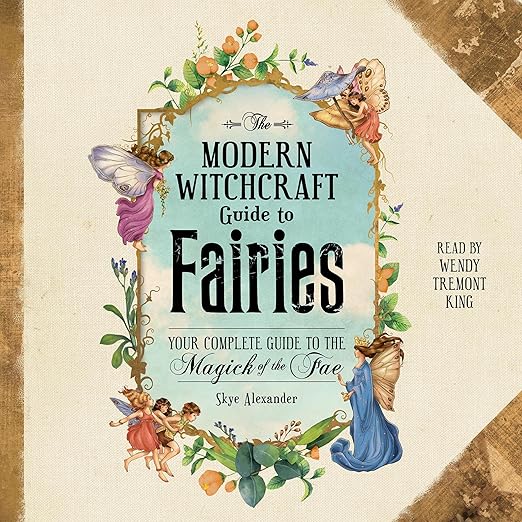
I picked up The Modern Witchcraft Guide to Fairies during a week when I’d been reading several books on Western occult traditions and wanted something that sat comfortably in the space between scholarly and practical. Skye Alexander has built a reputation for books that manage exactly that balance, and this one largely delivers on it. What struck me first was the book’s refusal to start with reassurance. The opening premise is clear: these fairies are not the harmless creatures of children’s literature, and approaching them carelessly has consequences within the traditions Alexander is drawing on. That’s a more serious starting position than most books in this genre take, and it sets a productive tone for everything that follows.
Wendy Tremont King’s narration is the right kind of calm for this material. There’s a risk, with occult and esoteric audiobooks, that narrators will either undersell the content by treating it as mere information delivery or oversell it by performing awe they don’t feel. King does neither.
Our Take on The Modern Witchcraft Guide to Fairies
Alexander structures the book as a genuine guide rather than a meditation. She covers the types of fae folk across different traditions, with particular emphasis on Celtic and Norse sources, before moving into the practical question of how a contemporary witch might safely and effectively work with fairy energy. The emphasis on safety is not decorative. Alexander gives specific attention to the protocols and rules that traditional fairy lore establishes for human-fairy interaction, and she treats violations of those protocols as having real consequences within the practice she’s describing.
One reviewer who had thought she “knew about fairies” found the book genuinely informative and depth-adding. Another described it as useful for both “the curious beginner and seasoned fairy worker alike,” which captures Alexander’s tonal range. She doesn’t assume prior knowledge, but she also doesn’t condescend to readers who bring it. The balance is maintained reasonably well throughout the nine-plus hours.
Why Listen to The Modern Witchcraft Guide to Fairies
At nearly nine and a half hours, this is a substantive audiobook rather than a brief introduction. Alexander covers a lot of ground: fairy lore across traditions, specific types of fae entities, the relationship between fairy magic and natural cycles, and the ritual and spell work a practitioner might undertake. One reviewer mentioned being “excited to learn more and practice some of the recommendations of rituals and spells,” which indicates the practical sections land with the intended audience.
Wendy Tremont King’s narration helps the practical sections in particular. When Alexander moves from historical and mythological content into specific ritual instruction, King’s clear delivery makes the information accessible without flattening its significance. The nine-and-a-half-hour runtime suggests this is best approached as a course rather than listened to in one sitting; the density of information rewards pausing and returning.
What to Watch For in The Modern Witchcraft Guide to Fairies
The book is part of Alexander’s Modern Witchcraft series, and it shares that series’ characteristic approach: broad in scope, practical in orientation, and writing from inside the tradition rather than observing it from outside. Readers looking for a skeptical or academic treatment of fairy folklore will not find it here. Alexander writes as a practitioner for practitioners, which is exactly what the book’s audience needs and exactly what will frustrate a reader who wants cultural history rather than spiritual guidance.
The review sample is small but consistently positive, with the most substantive praise coming from a reviewer who found Alexander’s style “entertaining while staying informative and intriguing” and appreciated the depth that distinguished it from more superficial fairy literature. The 4.6 rating across 226 reviews suggests the book has found and satisfied its intended audience reliably.
Who Should Listen to The Modern Witchcraft Guide to Fairies
Practitioners of Wicca, paganism, or other nature-based spiritual traditions who want to understand how fairy lore integrates with their practice will find this a genuine resource. Newcomers to witchcraft who are drawn to Celtic or Norse traditions and want to understand the fae traditions embedded in them will have a good foundation to build on after listening. Listeners looking for entertainment rather than instruction may find the practical sections slow. Skeptics approaching the subject with irony will not get much from it. The book rewards genuine interest and repays the investment of a second listening once the initial framework is established.
Frequently Asked Questions
Is The Modern Witchcraft Guide to Fairies suitable for someone new to witchcraft, or does it assume existing practice?
Alexander writes for both beginners and experienced practitioners. She builds the foundational context before moving into more advanced practical material. A reader new to witchcraft will need to absorb more background material, but the book is designed to be accessible rather than gatekeeping.
How does Skye Alexander’s treatment of fairies differ from mainstream fairy mythology or children’s fairy stories?
Alexander draws on Celtic and Norse traditional sources rather than the sanitized fairy imagery of Victorian children’s literature or contemporary fantasy. The fae in this book have their own cultures, rules, and potential for harm, and the book’s practical sections are explicitly framed around how to engage with them safely and respectfully rather than casually.
Does the book cover specific fairy types, or is it more of a general overview?
Both. Alexander covers a range of specific fae entities from different traditions, including their characteristics, origins, and the traditional protocols for working with them. The scope is broad enough to serve as a reference, and specific ritual and spell work is included for readers who want to apply what they learn.
How does narrator Wendy Tremont King handle the ritual and spell sections in audio format?
King’s narration is clear and grounded throughout, which is particularly useful in the practical sections where instructions need to be followed accurately. She doesn’t over-perform the mystical content, which keeps those sections accessible rather than theatrical. Listeners who want to work with the rituals may want to have notes available, as audio-only instruction for ritual work can be difficult to reference later.