Quick Take
- Narration: Mike Lenz delivers a clear, measured read that suits apologetics material, the tone is respectful and serious without veering into pulpit delivery, which is the right call for a book trying to reach both believers and the historically curious.
- Themes: archaeological evidence for the historical Jesus, faith and scholarship, New Testament reliability
- Mood: Accessible and faith-affirming, with a scholarly orientation that keeps the claims grounded
- Verdict: A well-organized introduction to archaeological apologetics for Christian audiences, listeners already skeptical of Christianity will find it interesting but are unlikely to find it conclusive.
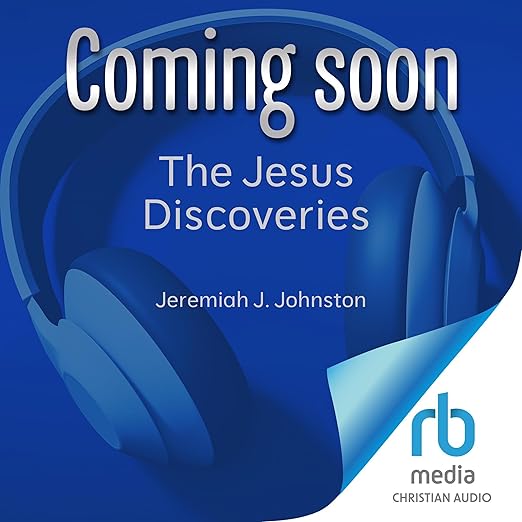
I approached this one from the perspective of someone with a genuine interest in biblical archaeology and a long habit of reading books in the apologetics-adjacent space from both sympathetic and critical angles. Jeremiah Johnston is a New Testament scholar with real credentials, and The Jesus Discoveries is a careful book, more careful, in some ways, than the genre average, which tends toward enthusiasm over rigor.
The premise is straightforward: there exists a substantial body of archaeological evidence that corroborates the New Testament accounts of Jesus, and most people, including many Christians, are unaware of it. Johnston presents ten discoveries, lost cities, ancient manuscripts, artifacts, inscriptions, and connects each one to specific claims made in the Gospels. The structure is clean and the pace is brisk at just under four and a half hours.
Our Take on The Jesus Discoveries
Johnston is honest about what the evidence does and does not prove. He is not arguing that archaeology confirms the theological claims of Christianity, resurrection, divinity, but that the historical framework of the Gospels is more archaeologically corroborated than skeptics typically acknowledge. That is a defensible and genuinely interesting argument, and he makes it with more nuance than the title might suggest.
The range of discoveries covered is broad: cities mentioned in the Gospels that were once disputed and have since been excavated, inscription fragments that corroborate specific historical figures, documentary evidence for practices described in the New Testament. One reviewer who encouraged their entire church to buy the book noted that the evidence comes alive in a way that written descriptions alone do not always achieve. Another, more cautious reviewer noted that some of the finds felt a bit indirect for convincing a genuine skeptic, while still finding the book an interesting read. Both responses seem honest and compatible.
Why Listen to The Jesus Discoveries
Mike Lenz’s narration is appropriate for the material. He reads with authority and clarity, neither dramatizing the discoveries beyond what the evidence supports nor delivering them in the flat register of an academic recitation. For a subject that can tip into either evangelism or lecture, the modulated tone is well-judged.
The book is explicitly designed to connect historical evidence to personal faith, Johnston frames each discovery not just as archaeological data but as a point of contact between Jesus’s story and the listener’s own life. That dual purpose will be the right fit for readers who want their scholarly interest and their faith to speak to each other. For listeners who are interested in biblical archaeology as a purely historical inquiry, the application sections will feel like an extra gear that the book keeps shifting into.
What to Watch For in The Jesus Discoveries
This is an apologetics book, which means it is written from within a framework of faith and argues toward the confirmation of that faith. The archaeological evidence presented is real and documented, but Johnston’s selection and framing reflect his position as a Christian scholar. The cautionary review that noted some finds feel indirect is worth taking seriously: the strongest entries in the book’s ten chapters are more directly corroborative than the weaker ones, and the overall argument is better in its strongest sections than in its most ambitious claims.
Listeners approaching from a position of genuine skepticism will likely find the book interesting as an account of what the archaeological record does contain, while remaining unconvinced by the theological applications. That is not a failure of the book so much as an honest account of what it can and cannot do.
Who Should Listen to The Jesus Discoveries
Christian listeners who want a faith-strengthening introduction to biblical archaeology will find this genuinely rewarding and well-organized. People curious about the historical basis for New Testament claims, regardless of their faith position, will find the archaeological content interesting. Committed skeptics looking for material that will challenge their position should look for more academic treatments, this is apologetics, written for a believing audience, and its argument is structured accordingly.
Frequently Asked Questions
Is The Jesus Discoveries written for a Christian audience or for skeptics?
It is primarily written for a Christian audience, though Johnston frames the book as useful for apologetics conversations with skeptics. One reviewer specifically notes it is unlikely to convince a genuine skeptic compared to other apologetics works they have read. The book strengthens existing faith and provides talking points rather than being designed to work from first principles on a non-believing audience.
What kinds of archaeological discoveries does the book cover?
Johnston covers ten discoveries including cities mentioned in the Gospels that have been excavated, inscription fragments corroborating historical figures, ancient manuscripts, and artifacts related to practices described in the New Testament. The range spans physical sites, documentary evidence, and material artifacts rather than focusing on a single type of find.
Is Mike Lenz’s narration appropriate for a faith-based audiobook of this kind?
Yes. Lenz reads with the kind of measured authority that works well for scholarly apologetics, clear and serious without crossing into pulpit delivery. For a book that is trying to appeal both to believers and to a historically curious general audience, a narration that does not oversell the emotional register is an asset.
At four and a half hours, is this audiobook thorough enough to serve as a substantive introduction to biblical archaeology?
For a general introduction aimed at a faith audience, yes. The brevity means Johnston is necessarily selective in what he covers, but the ten discoveries are well-chosen to span different types of evidence. Listeners who want deeper scholarly engagement will need to follow up with more academic texts, but as an accessible entry point, the runtime is appropriate to the goal.