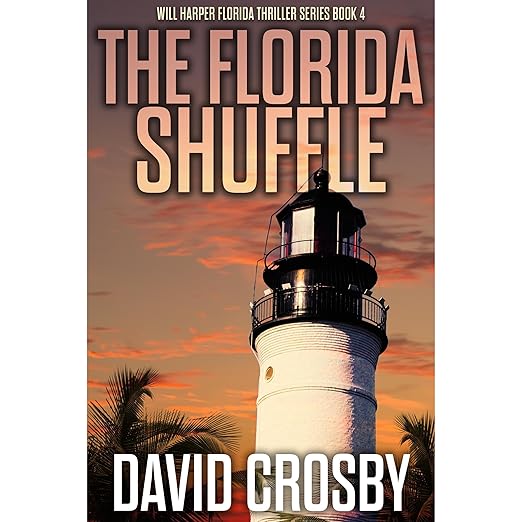
Will Harper, intrepid reporter and South Florida fixture, has spent three previous books in David Crosby's series navigating the complicated legal and moral landscape of the Sunshine State. The Florida Shuffle, the fourth audiobook in the Will Harper Florida Thrillers series, brings that complexity home in a personal way: Callie, Harper's partner and a rehabilitation center social worker, discovers that her facility is entangled in the patient-brokering scheme known as the Florida Shuffle, and her subsequent disappearance transforms what begins as an investigative story into a race against a genuinely dangerous network of Miami gangs, sex traffickers, and corrupt healthcare operators. Virtual Voice narrates, which is the format caveat most relevant to any listener's decision.
A Closer Look at The Florida Shuffle
The Florida Shuffle as a real scheme, in which sober homes and rehab centers receive kickbacks for steering patients between facilities rather than treating them, has devastated Florida communities. Crosby's decision to center his fourth Will Harper novel on this specific crisis gives the thriller a grounding that distinguishes it from pure genre entertainment. Reviewer Susanne Finch specifically notes that Crosby addresses a disturbing problem that is widespread in America today, and the opioid dimension of the plot adds genuine social weight to the procedural elements. Harper is not simply chasing a story; he is chasing a system that is killing people, and Callie's disappearance makes that system concrete and personal in a way the first three books could not.
The plot architecture escalates logically from insurance fraud to Miami gang involvement to sex trafficking and murder, following the money and the leverage until Harper is operating at the center of something far larger than a healthcare investigation. Reviewer Avid Reader's description of Callie's arc is precise: she arrives at the rehab center wanting to earn her keep, discovers the facility is scamming insurance companies and not helping patients, and becomes central to Harper's crisis when she disappears. That specific character detail, a social worker's professional idealism colliding with institutional corruption, gives the plot a human anchor that the thriller machinery then amplifies. The comparison points cited in the synopsis, John D. MacDonald and Wayne Stinnett, are instructive: the book operates in a tradition of Florida crime fiction that values atmosphere and moral complexity alongside plot efficiency, where the corruption is systemic rather than merely individual.
Reviewer MaxRyder notes that the book rewards fact-checking, suggesting the real-world accuracy of the Florida Shuffle scheme is evident to readers who know the issue. That accuracy is one of the book's genuine strengths: the criminal mechanics are explained clearly enough to make the operation comprehensible without slowing the thriller's pace, and the specificity makes the narrative feel anchored in observable reality rather than generic crime-fiction plotting.
What Makes The Florida Shuffle Worth Hearing
At 6 hours and 42 minutes, the audiobook is tightly plotted: Crosby does not waste runtime on setting that the series' existing audience already knows. Returning listeners who have followed Harper through three previous books will appreciate the payoff of seeing his professional persona tested by a threat to someone he loves. The rehabilitation industry plot has the genuine advantage of being unfamiliar to most listeners; the mechanics of patient brokering and insurance fraud carry the interest of real information delivered at thriller pace rather than as a detour from the action.
The Virtual Voice narration is a real consideration for this series in particular. Will Harper's Florida is a sensory place: the heat, the water, the specific character of Miami and its surrounding communities are central to the atmosphere that Florida crime fiction depends on. A human narrator carries much of that atmosphere implicitly through pacing and tone. AI narration handles the mechanics of the text competently but cannot fully replicate the instinct for when to slow down and let setting breathe versus when to push through action sequences. Listeners who have followed the series in print may find the transition more manageable than listeners coming to the audiobook format cold for the first time.
Things to Know Before Starting The Florida Shuffle
This is book four in a series, and while Crosby provides enough context for a new reader to follow the plot, the emotional weight of Callie's disappearance lands harder with knowledge of Harper's previous relationships and professional losses. The synopsis positions this as accessible to new readers, and the comparison to MacDonald's standalone Florida novels supports that claim, but invested series listeners will have more at stake during the final act. The opioid crisis material is handled without melodrama, consistent with Harper's reporter identity and the investigative tradition of Florida crime fiction. Crosby keeps the focus on the mechanism of exploitation rather than on individual suffering, which is a deliberate tonal choice that fits the genre.
Who David Crosby Is Writing For
Fans of Florida crime fiction, particularly in the Travis McGee and Wayne Stinnett tradition, will find a well-constructed series installment here. The social relevance of the rehabilitation fraud plot adds a layer that carries genuine current-events weight alongside the genre entertainment. New listeners can start here but will benefit from beginning the Will Harper series from the first book to fully appreciate the personal stakes when Callie disappears. Anyone specifically sensitive to Virtual Voice AI narration for thriller content where atmosphere and character voice matter should factor that format detail into their decision before purchasing this title. The book's social-relevance angle, specifically its accurate portrayal of how the patient-brokering scheme operates, distinguishes it from Florida crime fiction built purely on atmosphere and momentum.