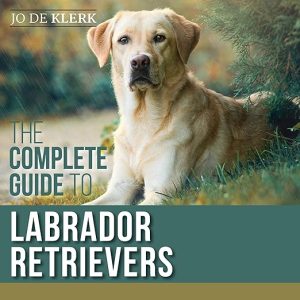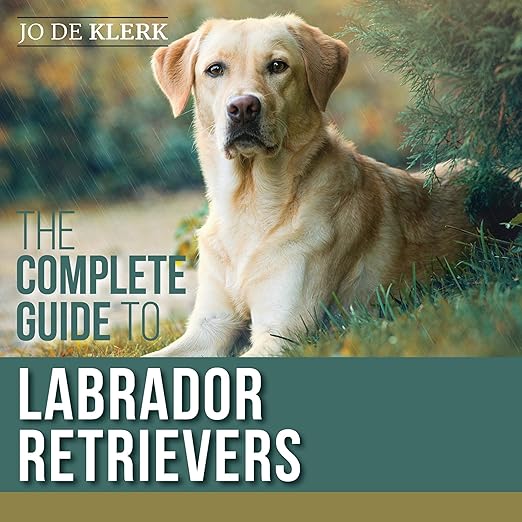
Labrador Retrievers have topped the American Kennel Club's most popular breeds list for 19 consecutive years as of the book's writing - a run that speaks to something real about the breed's adaptability, eagerness, and fundamental sociability. Dr. Joanna de Klerk, a respected British veterinarian, wrote The Complete Guide to Labrador Retrievers as a practical companion for the full ownership journey, and the audiobook version narrated by Nicole Anders delivers that guidance in 4 hours and 51 minutes. The book covers the complete ownership arc: the initial decision of whether a Labrador is the right fit for a household, breeder selection and shelter adoption, preparing the home for an athletic and perpetually curious dog, training fundamentals calibrated to the breed's specific temperament, and the health considerations that de Klerk's veterinary background makes her unusually qualified to address. It is not attempting to be encyclopedic. It is attempting to be genuinely useful to someone at the beginning of the journey with a Lab, and it succeeds at that aim with consistent clarity and warmth throughout.
Anders Narrates the Thirteen-Month Growth Rule
De Klerk writes as a veterinarian who has fielded the same first-time owner questions enough times to know which answers prevent real problems from occurring rather than describing them after the fact. One of the most practically important pieces of information in the book - that Labrador Retrievers should not be run extensively until 13 to 14 months, when their growth plates close and skeletal damage becomes less likely - is exactly the kind of guidance that most new owners discover retroactively, as one reviewer noted in describing how their Lab had already encountered the situation before they learned it. That structural tip, delivered early and clearly in the audiobook, is representative of de Klerk's approach: anticipating the mistakes rather than cataloguing their consequences. The sections on what to expect in the first days home, how to approach house training with a breed known for enthusiasm that can tip into destructiveness, and why mental exercise matters as much as physical activity for a high-drive retriever all reflect practical clinical experience rather than generic pet-guide boilerplate. Anders narrates with warmth and precision, keeping the material from feeling like a veterinary manual without sacrificing informational density. Her pacing through the training and health sections maintains the audiobook's accessibility across its compact runtime, and she handles the breed-history sections and the practical advice with equal fluency.
Useful for Years, Beyond the Onboarding Weeks
The audiobook format serves practical guides like this one particularly well for a specific reason: the moments when you most need the information are not always moments when you can sit down with a book. A drive to the breeder, an early morning before the puppy wakes, an evening during those first bewildering weeks of ownership when you have half an hour and a specific question - these are listening moments. Anders' clear delivery allows information to transfer under these conditions without requiring note-taking. Reviewers cover a telling range: a first-time fully registered AKC Labrador owner weeks away from bringing their dog home, working through breed nuances they had not yet encountered; a family member who borrowed a library copy, found it valuable enough to purchase, and then recommended it to someone studying a related field. The book's thoroughness across the ownership lifecycle - from the initial selection decision through the training years, health management, and senior care - means it functions as a reference across years rather than just an onboarding document. One reviewer found specific information they had not known even after owning a Lab and using the book as a refresher.
Color Lines Get No Special Breakdown Here
Experienced Lab owners on their second or third dog will find the content covers ground they know well. The book is calibrated for the prospective or new owner, not for someone with an established relationship to the breed. De Klerk covers yellow, chocolate, and black Labs without breaking down significant temperamental or health differences between the color lines - a simplification that breeders would complicate, but appropriate for a general guide that is not trying to adjudicate breeding debates. The training sections cover positive reinforcement fundamentals without providing the protocol-level detail that dedicated training resources offer, so owners who want specific step-by-step method guidance will benefit from additional reading alongside this one. The history chapter is appropriately brief - sufficient context for understanding where the breed came from without extended digression into field trial records. As a base layer of breed-specific knowledge that covers the full ownership lifecycle in a single efficient listening session, the audiobook earns its place as the first reference a new Lab owner reaches for when preparing for a dog they intend to live with for the next decade.
Prospective Owners Get the Most Direct Value
This audiobook is best suited to prospective Labrador owners who are still in the decision phase and want specific information about whether this breed fits their household and lifestyle. First-time Lab owners in the preparatory weeks before the dog arrives will find the home preparation and early care sections immediately actionable. Experienced Lab owners will not find much new. Listeners who want detailed, protocol-level training instruction or deep clinical nutrition guidance should treat this as a starting point and supplement it with more specialized resources. For the audience it is designed for - someone at the beginning of what can be a decade-long relationship with a breed that tends to inspire strong loyalty - Anders and de Klerk deliver a clear, compassionate, and practically grounded primer that covers what matters most.
Does The Complete Guide to Labrador Retrievers audiobook cover breed-specific health concerns in useful detail?
Yes. Written by a veterinarian, the health sections cover joint issues, weight management, the growth plate timing that determines safe exercise levels, and breed-specific conditions with more clinical grounding than typical pet guides.
Is this audiobook most useful before bringing home a puppy or once you already have the dog?
Both, though the preparation and selection content is most valuable in the weeks before the puppy arrives. The training and health sections remain useful reference points across the first year and beyond.
Does Nicole Anders' narration make the practical training and health sections engaging in this audiobook?
Anders keeps the material warm and approachable without over-performing it. Her delivery is informational rather than dramatic, which suits a practical guide that needs to transfer information clearly rather than entertain.
At under 5 hours, does The Complete Guide to Labrador Retrievers audiobook cover enough depth to be genuinely useful?
For a new or prospective owner, yes. The runtime reflects a well-calibrated scope. It addresses essential questions across the full ownership lifecycle without padding. Owners wanting deeper protocol-level training or veterinary nutrition detail will benefit from additional resources.