Quick Take
- Narration: Wilkey self-narrates with the same energy that built his YouTube following. The delivery is informal and story-driven, which matches the book’s structure.
- Themes: YouTube content strategy, real estate lead generation, the Living in method
- Mood: Enthusiastic and tactical, with personal storytelling as the delivery mechanism
- Verdict: A niche but well-argued case for YouTube as a primary lead generation channel for real estate agents, most effective for listeners already considering content creation.
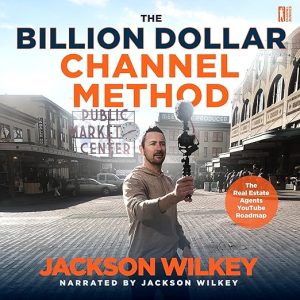
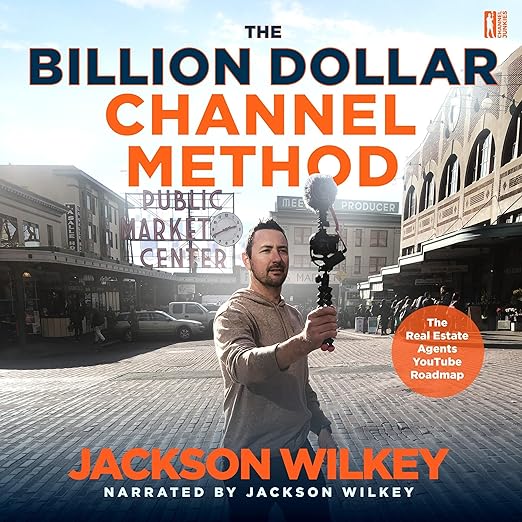
I listened to this one in the context of reviewing a stretch of business and real estate audiobooks, and The Billion Dollar Channel Method stands out for a specific reason: it is not a book about passive income or general wealth building. It is a very specific argument about a very specific method, and Wilkey does not dilute it with generality. The Living in method, his approach to creating YouTube content organized around neighborhood and community guides for real estate markets, is the entire subject. If that subject is relevant to you, the book delivers real depth. If it is not, the depth does not transfer.
Jackson Wilkey spent years developing and refining this approach before writing about it, and the self-narrated audio carries that accumulated experience. He is not describing a theory he has observed others apply. He is describing what he built, what went wrong, and how it eventually generated the volume of leads that gave him his own business and the model he has since taught to thousands of realtors through his Masterclass with Jesse Dau.
Our Take on The Billion Dollar Channel Method
The book’s structural choice to anchor the method in personal narrative is both its strength and a potential limitation. Reviewers consistently cite Wilkey’s storytelling as a draw, and one ADHD listener specifically notes that the narrative approach kept them engaged where other business books failed. That is a real accomplishment. On the other hand, the enthusiastic reviewer pool is almost entirely composed of existing Wilkey followers, which makes it difficult to evaluate how the book lands for a genuinely cold audience.
The Living in method itself is straightforward in concept: real estate agents create YouTube videos framed around the experience of living in a specific neighborhood, city, or community rather than around listings or sales pitches. The value is in becoming the go-to resource for people researching a move to a specific location, who then contact the agent whose content they already trust. Wilkey walks through the mechanics of this at a level of detail that a real estate agent could actually use, covering video structure, channel optimization, and the consistency requirements that make or break the approach.
Why Listen to The Billion Dollar Channel Method
Self-narration is the right choice here. Wilkey’s voice on YouTube is one reason his audience found him, and his book delivery carries the same directness and occasional rawness that his followers associate with him. One reviewer describes being blown away by his openness about both success and failure, which is the quality that distinguishes personal brand content from generic how-to material. The failures matter as much as the successes in a method book like this, because they reveal where the approach is most likely to break down.
At just under ten hours, the book has room to tell the story of how the method was developed and not just describe what it is. That origin narrative is what gives the tactical advice its weight. You understand not just what to do but why those specific choices were made and what the alternatives cost.
What to Watch For in The Billion Dollar Channel Method
The review pool’s enthusiastic uniformity is worth noting. Every review is five stars from someone already invested in Wilkey’s work, which does not mean the book is without weaknesses, only that this particular sample is not revealing them. The method requires substantial ongoing content creation, consistency over months or years before significant lead volume appears, and comfort with being on camera. None of these requirements are hidden, but a critical reader might note that the book’s framing emphasizes the transformation without quite dwelling on the sustained work the transformation demands.
The book is also specifically built for real estate agents in markets where the Living in content model is viable. Wilkey and his partners note that another agent plagiarized their Masterclass content and claimed credit for the method, which suggests the niche is becoming crowded. Listeners entering the YouTube real estate space now are not the first movers Wilkey was.
Who Should Listen to The Billion Dollar Channel Method
This is for real estate agents actively considering YouTube as a lead generation channel who want a detailed case study and method from someone who built it from scratch. Also useful for agents already experimenting with YouTube content who want to refine their approach against a proven framework.
Less useful for general marketers, business owners outside real estate, or listeners seeking transferable content strategy principles. The book’s specificity is a feature for its target audience and a limitation for anyone outside it.
Frequently Asked Questions
Does The Billion Dollar Channel Method require existing YouTube knowledge to implement?
No formal YouTube expertise is required. Wilkey covers the platform basics as part of the method, though the book assumes you are comfortable enough with video to consider getting on camera.
Is the Living in method still viable now that it is widely known in the real estate industry?
Wilkey acknowledges the method has spread widely through his Masterclass and copies of it. The book was published in 2023, and the competitive landscape on YouTube for real estate has grown since. The fundamentals of the method remain sound, but first-mover advantage is no longer available.
How much of the book is personal story versus practical instruction?
The book is roughly split between narrative and tactical content, with the personal story woven through rather than front-loaded. Reviewers find this ratio works well for maintaining engagement, though pure instructional learners might prefer more tactical density.
Does the method apply to real estate markets of any size, or primarily large urban markets?
Wilkey applies the Living in method across market sizes, and the content model is arguably more effective in smaller markets where there is less YouTube competition. The book includes examples from various market types.