Three hours and twenty-five minutes is the only firm number attached to this audiobook, and nearly everything else a buyer would want to know has to be worked out from the shape of what is missing. The description runs to three sentences. The reader field is blank. No publisher is named, no average has ever been posted, no vote has ever been counted, and not one written response exists anywhere on the record. What the copy does carry, unmistakably, is the sign-off of a podcast feed, and that single detail explains more about this product than the sentences above it do.
Acast's Sign-Off Reveals Where This Text Came From
Start with the sign-off. The description closes by saying the show is hosted on Acast and pointing at that company's privacy page, which is the footer a podcast platform appends automatically to episode notes. That text was never written to sell an audiobook. It was written to travel inside an RSS feed, and it has been carried across to a retail listing with nobody stopping to take it off.
Two readings follow, and the record does not let a buyer choose between them. Either this is a podcast about podcasting that has been bundled and sold as a three-and-a-half-hour audio product, or the copy was pasted from the wrong source and the file itself is something else entirely. Both of those happen constantly in this corner of the catalog. Neither is disclosed here, and the difference matters enormously to anybody deciding whether to spend the money.
What remains commits to nothing checkable. Tips and best practices to improve your podcast. Helping novice podcasters make their podcasts better. Twenty-odd words of promise with no method, no chapter list, no stated scope, and no signal about which part of podcasting is actually covered: microphones, editing, scripting, hosting, distribution, sponsorship, or all of them in passing. A beginner cannot tell from this whether the next three and a half hours will teach them to set input gain or to pick a name.
Podcasting already had a settled beginner curriculum by 2022, and it has barely moved since. Choose a format you can sustain, buy one decent microphone, learn to cut your own throat-clearing, publish on a schedule you can actually keep, and accept that discovery is the hard part and the part no guide will solve for you. Any competent three-hour treatment covers that ground. The open question on this listing is not whether the material does its job but whether the file is a book at all.
Karen Noil's Byline Carries No Biography at All
Length is the honest argument. Three hours and twenty-five minutes is short enough to finish across a few sittings and decide whether podcasting suits you before spending anything on equipment. Guides in this category tend to pad, in my experience, stretching a workshop's worth of advice across eight or ten hours of encouragement, and a short one that gets somebody to a published first episode has earned its keep even if it teaches nothing beyond that.
Episodic origin, if that is what the footer indicates, is not automatically a defect either. Show-based instruction arrives in tight self-contained units with a practical question at the front of each, and that shape survives a distracted listen better than a book chapter does. A beginner fitting this around a job may genuinely be better served by twenty short answers than by one long argument, and the format would explain the modest runtime rather than undermine it.
Karen Noil is the name on the byline, and nothing else establishes what that name brings to the subject. No biography, no credits, no show named, no download figures, no niche claimed. That absence deserves weighing against the promise in the title. A guide to first principles only has to be right about first principles, and those really are stable, but a buyer choosing between this and the dozens of competing titles has nothing to compare except a runtime and a price.
Four Years Separate This Recording From Its Title
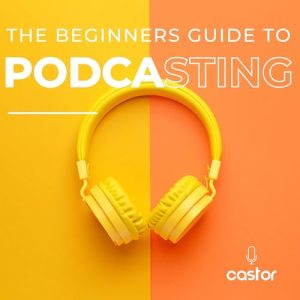
Currency is the first problem, and it starts on the cover. This recording was published on the last day of October 2022, and the title advertises 2026. Somebody scanning a shelf is being offered guidance four years newer than the file behind it. Podcasting advice ages unevenly: interview technique and microphone discipline barely move, while hosting economics, discovery mechanics and platform behavior move constantly, and it is precisely the fast half that a year in a title is meant to vouch for.
Every field a buyer would normally use to sanity-check a recording is empty. Nobody is credited with the reading, so the listing will not tell you whether the author speaks the material, a hired voice does, or software does. No publisher appears. The rating field and the vote counter are both blank, which on a title nearly four years old says something in itself about how many copies have moved. Not one written response exists to test any of it against.
Practically, the usual second opinion is unavailable. On most listings a critic can at least tell you whether buyers found the pacing tolerable or the audio clean; here the entire evidentiary column is blank, and the only claims anyone can verify are the runtime, the publication date and three sentences of copy. Sampling is not an optional extra on a record like this one. It is the whole of the available due diligence.
Working Podcasters Learn Nothing New Here
Absolute beginners with three spare hours and no equipment yet are the only clear fit. If you have never recorded anything and want an orientation before committing money, a short guide from 2022 will still tell you true things about planning, structure and getting a first episode out the door, and those are precisely the places beginners fail. The low runtime is a feature for that reader rather than a shortfall.
Working podcasters get nothing here they have not already learned the hard way, and anybody buying because of the 2026 on the cover should know the file predates it by four years. Anyone who needs to hear who is speaking before pressing play should sample first, and should treat the blank fields as the most informative part of the whole record.
- Subjects: Podcasting fundamentals for absolute beginners, copy carried straight over from a feed, a year in the title the recording predates.
- Tone: Brisk and largely unverifiable.
- Bottom line: Short enough to be a small gamble, but sample it first, because the reader, the publisher and the entire response column are empty.