Sex sells, but what can it buy? That is the opening line of the description, and it is a better question than most memoirs put at the front, because the answer this audiobook supplies is specific and thoroughly unglamorous: student loan payments, bad teeth, and a family kept barely afloat. Ten hours and four minutes of it, published by Brilliance Audio on December 16, 2025, and the tone throughout is closer to a comedy of errors than to a confession.
Michelle Gurule arrives with a Best American Essays credential attached, and the debut memoir beneath it is described as a tragi-comedy of errors about an inexperienced sugarbaby in the Denver of the 2010s. The comic register is doing real work in that sentence. A memoir about exchanging conversation and sex for weekly cash could be written half a dozen ways, and choosing laugh-out-loud carries consequences for how the harder material lands later on. Comedy is a delivery system here, not a mood, and that separation is worth keeping in view.
Elena Rey narrates, and Gurule does not. For a first-person memoir this specific about a body and a bank balance, handing the voice to somebody else is a genuine editorial decision rather than a scheduling one. It sets a layer of performance between the writer and the confession, which can shelter a listener from the rawest passages or can place a pane of glass in front of them. This listing does not indicate which effect was wanted, and no reviewer has been in a position to report back on it yet.
Denver in the 2010s is the setting, and the class geography is the whole point. The description assembles the family with care: a salt-of-the-earth Chicano father convinced aliens will eventually rule the world, a white mother maxing out credit cards on fast food, a sugar-hyped seven-year-old nephew. That is a comic inventory which doubles as an economic one, and the copy names the self-diagnosis outright, self-parentified, with a core mistrust in the unreliability of the world. Families like this one are usually played for laughs or for pity, and the copy promises neither.
A Review That Reads Like Self-Improvement
John is the title character and barely a character at all in the summary: a lonely older man offering a weekly pile of cash for lively conversation and sex. The argument the book makes is that this arrangement is not exceptional but ordinary, one more exploitative job in America carrying the same physical wear, the same competition between colleagues, the same crossed boundaries and dangerous power imbalances, only considerably more intimate. That framing is the strongest thing in the copy, because it moves the book off the confessional shelf and onto the labor one, where it has considerably more to say.
Jocelyn Jane's response reads it the same way, which suggests the framing survives contact with an actual reader. It describes a window into generational wealth, or the lack of it, and the false promise of financial success buried inside the idea of a good education, along with the unique pain that follows from lucrative secrets. The entry then halts in mid-clause, at Gurule's family, so whatever it was building toward is lost to the record, and putting words in its mouth would be worse than useless.
Darin Hatfield's response is the odd one out, and worth flagging before you weigh the column. It carries the headline Great Book Success and Life's Choices on how to Succeed, recommends the book as a great book about life, success and choices, and dwells on the importance of finishing school. Read cold, that describes a self-improvement title rather than a memoir about stripping and sugaring. Same book, entirely different shelf, and proof that headlines here are unreliable guides. If you scan this column quickly, you will misjudge the book badly.
Ten Votes Land at Forty-Six of Fifty
Alexander zimmermann's entry, filed from the United Kingdom, is the shortest and the bluntest, recommending it to anyone who wants to know a little more about the real life of sex workers. Now the dates. Hatfield wrote on October 3, 2025 and zimmermann on November 15, 2025, while the audio edition was published on December 16, 2025. Neither response can be describing this recording, which leaves exactly one written account filed after release, out of a column that already runs to only three.
Ten votes hold up the displayed 4.6, and the arithmetic behind them is settled rather than suggestive: ten votes averaging 4.6 must total forty-six out of a possible fifty, four points short of a clean sweep. All three written responses are fives. The four missing points therefore belong entirely to people who graded the book and said nothing, so every reservation anybody holds about it is invisible on the page you would be buying from.
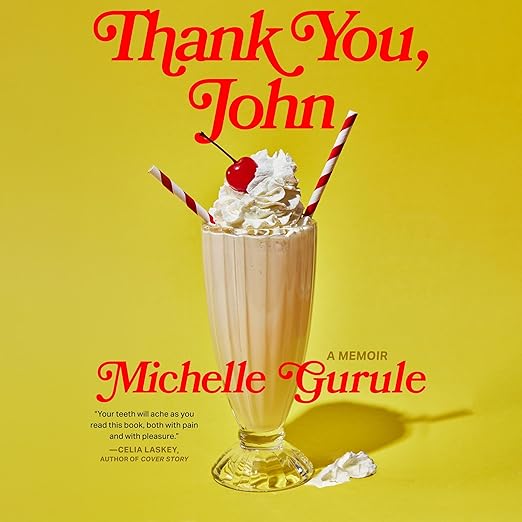
Celia Laskey's blurb promises that your teeth will ache as you read this book, both with pain and with pleasure, which is unusually honest jacket copy given that bad teeth are an actual plot point. The description declines to soften what is coming: heartbreak, complete social isolation and self-denial, cringey sex, and scheme after scheme for a better life. Anyone expecting a caper about outwitting rich men should recalibrate well before hour two, because the summary itself ends on wear, tear and hierarchy rather than on triumph.
Two Registers to Hold Across Ten Hours
Sugaring is the word the copy uses, and the book's blunt refusal to euphemize it is the reason to listen rather than a reason to hesitate. The harder question is tonal. Tragi-comedy asks a reader to hold two registers simultaneously across ten hours, and the funny material rests on grim foundations: poverty, isolation, a body treated as inventory. That balance either holds for the full runtime or it does not, and this listing supplies no evidence in either direction.
Queer identity runs underneath all of it and the listing tags it accordingly, though the description keeps it at the level of who Gurule is rather than of what happens to her. Anyone hoping for a romance is in the wrong book entirely, and anyone hoping for outrage will find something more uncomfortable: an author who found the work rational. Nobody looking for a tidy redemption arc will get one either, because the copy ends on scheme after scheme rather than on any kind of escape.
Does Michelle Gurule read the Thank You, John audiobook herself?
No. Elena Rey holds the narrator credit while Gurule holds the author credit, so this first-person account of sugaring and stripping reaches you through a performer. That distance can protect a listener from the rawest passages or hold them at arm's length, and the listing gives no indication which effect was intended.
How explicit is the Thank You, John audiobook?
Frank rather than titillating, on the evidence of the copy. The description promises cringey sex, crossed personal boundaries and dangerous power imbalances, framing the work as labor rather than fantasy. One reviewer recommends it specifically to people curious about the real lives of sex workers, which is the register to expect.
Do the reviews on this page describe the recording?
Mostly not. Two of the three written responses carry October and November 2025 dates, both ahead of the December 16, 2025 publication of this audio edition, so they belong to an earlier format. Only one response was filed afterward, in February 2026, and it discusses the writing rather than the reading.