At a Glance
- Performance: N.C. Wantz handles the alternating dual-POV structure with enough distinction between voices to make the perspective switches legible without overplaying the contrast.
- What it covers: Complicity and attraction, violence as self-expression, the moral weight of what we enable.
- Feel: Dark, feverish, and deliberately transgressive.
- Our call: A debut dark comedy thriller with genuine ambition and one significant metadata warning. Verify the author attribution before purchasing this edition.
Metadata Says Tucci, the Synopsis Says Otherwise
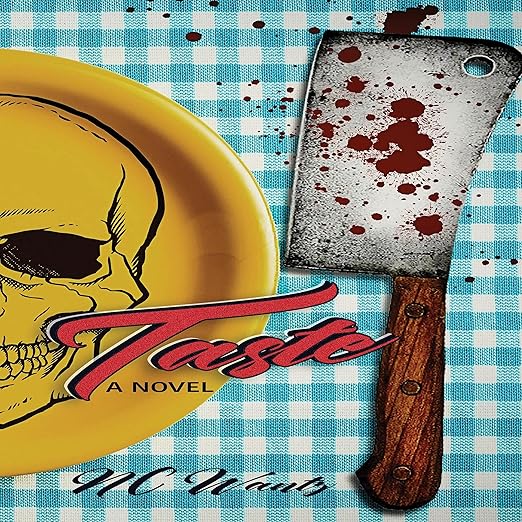
A note before this audiobook review: the metadata attached to this edition lists Stanley Tucci as the author, which would suggest a food memoir from the celebrated actor and cookbook author. The synopsis, however, tells an entirely different story: a dark, food-inflected thriller following two damaged former lovers, Claudia and Anton, as their reunion slides from romance into complicity in murder. Reviewers confirm this dark comedy framing, with one describing the book as 'Dexter meets Sweeny Todd.' The author of record in the reviews appears to be a first-time novelist, not Tucci. This review is written based on the actual synopsis and reviewer content, which is the version listeners will encounter in the audio recording. The author attribution discrepancy is worth verifying before purchase.
What the story actually describes is genuinely unusual: Claudia, a small-town girl with unresolved anger and a childhood shaped by abandonment, kills someone in a fit of rage. She disposes of the body through Anton's failing restaurant. The restaurant's popularity surges. The cycle escalates. N.C. Wantz narrates a novel that blends gastronomy with dark comedy in the tradition of more overtly transgressive fiction, and reviewers have responded to it with surprising enthusiasm for a debut.
Is Evil Something You Are or Something You Do?
Wantz's narration handles the tonal whiplash that a novel like this demands. The prose shifts between Claudia's first-person chapters and Anton's perspective, and at least one reviewer noted how effectively the alternating viewpoints collect different details. In audio, the rhythm of that chapter-to-chapter perspective switch becomes even more apparent, and Wantz manages the difference between the two voices well enough that you feel the shift without needing a chapter title to announce it.
The novel's treatment of its premise is self-aware rather than genuinely transgressive. A reviewer called the body-disposal plot 'hilariously dark,' and that register, not horror, not satire exactly, but something darker than comedy and lighter than horror, appears to be where the book lives most comfortably. One reviewer read the first two chapters and found the pacing 'feverish,' which is the word that seems most accurate for what Wantz is working with across the full runtime. The audiobook runs almost thirteen hours, which is long for a novel of this kind.
Whether that length serves the material or overstays the premise will depend on your appetite for extended dark comedy. West builds toward the novel's central question explicitly: is evil something you are or something you do? Claudia's character arc is built around that question, and the novel's willingness to take it seriously, while simultaneously playing its premise for dark laughs, is what keeps the book from being merely a high-concept gimmick. At its best, Taste is asking something real about agency, complicity, and whether a person's worst moments define them or simply reveal them.
The First Two Hours Decide the Remaining Eleven
The novel contains graphic violence and explicit sexual content. Reviewers have described it as 'grotesque, beautiful, romantic and painful,' which is an accurate summary of the tonal range. Listeners who prefer their crime fiction in a more procedural or psychological register may find the dark comedy framing distracting. The book is not interested in realism. It is interested in escalation and in what two people do when their worst impulses turn out to be more compatible than their best ones.
A first-time author writing debut dark comedy at nearly thirteen hours is ambitious, and the reviews suggest the pacing is occasionally uneven in the second half. One reviewer praised the 'authentic and plausible' feel while also noting the book's willingness to trade off perspectives as a structural strength. The alternating POV chapters appear frequently enough that Wantz needs to sustain two separate registers across a long runtime, and the audio format makes that demand visible in a way the print edition might obscure.
The romantic thread between Claudia and Anton is not a secondary element: it drives the novel's moral logic. Whether you find their reunion credible as romance or as two people using each other depends on how the early chapters land. That means the first two hours of the audiobook determine whether you will commit to the remaining eleven. Listeners who are not hooked by the restaurant scene in the first act are unlikely to be won over by the escalation that follows.
The novel's gastronomy angle is not purely incidental. Food preparation, in the tradition that runs from Sondheim's Sweeny Todd to Hannibal Lecter's cooking demonstrations, operates here as both craft and transgression. Claudia's skill in the kitchen becomes inseparable from her capacity for violence in a way the novel treats as both comic and genuinely disturbing. Wantz sustains that dual register through the escalation without losing either thread, which is the narration's most difficult technical challenge across the runtime.
The Dexter Meets Sweeny Todd Comparison Is Accurate
This audiobook suits listeners who enjoy dark comedy crime fiction with explicit content, dual-POV narration, and a premise that would make a very specific kind of movie. Fans of Gillian Flynn's more transgressive registers, of Thomas Harris's dark romanticism, or of fiction that takes pleasure in its own wrongness will find things to appreciate here. The 'Dexter meets Sweeny Todd' comparison from reviewers is the most accurate shorthand available for what the book actually delivers.
Listeners expecting Stanley Tucci's actual food memoir should note the metadata discrepancy flagged above and verify the edition they are purchasing. Those who want psychological complexity without graphic content, or who prefer crime fiction that operates within more conventional moral frameworks, will be better served elsewhere. At nearly thirteen hours, the audiobook requires a genuine commitment to its particular vision, and that vision is not for everyone. Wantz navigates the material professionally, but the material itself is what it is, and the premise is not softened for the audio format.
How explicit is the content in the Taste audiobook?
The novel contains graphic violence and sexual content. Reviewers describe it as grotesque and romantic in the same breath. It is adult content in both senses, and listeners sensitive to either should approach with that in mind.
Does the Taste audiobook work as a thriller or is it more of a dark comedy?
It operates in both registers simultaneously, closer to dark comedy than procedural thriller. The premise is played for escalating black humor as much as for tension. Listeners expecting straight suspense may find the tonal mix disorienting.