Quick Take
- Narration: Anna Bentinck reads cleanly and accessibly, making the dense cultural information easy to absorb on a single pre-trip listen.
- Themes: Cultural etiquette, colonial history, contemporary Tanzanian society
- Mood: Practical and informative, with genuinely surprising depth in places
- Verdict: Best consumed the week before departure; a reliable orientation that covers more ground than its short runtime suggests.
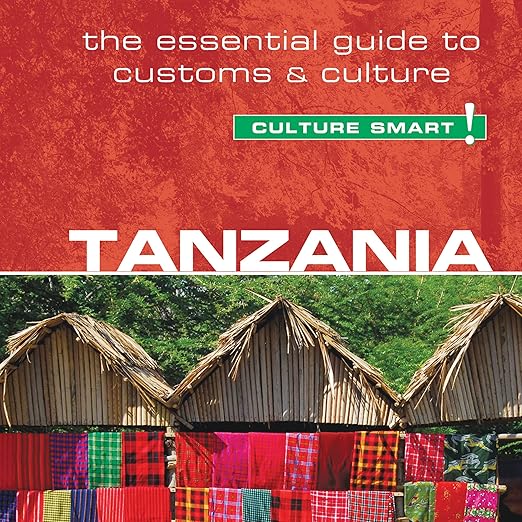
I have a habit of picking up Culture Smart guides late – usually the night before a trip, when the window for genuine preparation has technically closed. I listened to Tanzania the week before a research trip to East Africa while packing, then replayed specific sections on the plane. At just under four hours it fit that kind of listening perfectly: short enough to cover in one sitting, organized well enough to revisit individual sections without losing the thread. What I had not expected was the section one reviewer flagged as an eye-opener about tourist behavior in the country – it belongs in the category of information you genuinely do not want to arrive without.
Quintin Winks’s guide follows the established Culture Smart format: historical context, social values, customs and taboos, business etiquette, eating and drinking practices, and practical daily-life information. The approach is systematic rather than narrative, and Winks connects individual customs to the historical and political circumstances that produced them, which gives the guide more analytical texture than pure etiquette checklists tend to have.
Our Take on Tanzania Culture Smart
The guide earns its keep by being specific where it matters. The note about handing items with the left hand being considered insulting – something one reviewer specifically credited with helping her left-handed husband navigate interactions more respectfully – is the kind of culturally embedded detail that changes how you move through a country. It is not a rule invented for tourists; it reflects a broader set of social values around cleanliness and respect that Winks explains in context rather than simply listing.
The historical perspectives section is stronger than I expected given the guide format. Winks moves through Tanzanian history from pre-colonial structures through the colonial period, independence, and the Nyerere era’s particular brand of African socialism, which continues to shape national identity in ways that are visible in everyday interactions. One reviewer noted that after reading the guide she would have changed her travel itinerary had she read it before going – specifically, she would have sought out places beyond Kilimanjaro and the safari parks. That kind of reader response suggests the guide does something beyond surface-level preparation.
Why Listen Before You Go
The audio format works particularly well for pre-travel preparation because you can listen while doing other things – packing, driving, commuting – and revisit sections easily. Anna Bentinck’s narration is clear and evenly paced, without affect that would make it feel like a classroom lecture. The sections are distinct enough that a listener can skip to the parts most relevant to a specific itinerary. A reviewer who had already traveled to Tanzania found the book helpful but noted that some preparation would not translate directly into practical use on the ground, which is an honest caveat: no guide fully predicts what any individual traveler will encounter, and this one acknowledges that rather than overselling its predictive value.
The four-hour runtime is about right for a guide of this type. The Culture Smart series is designed for breadth over depth, and Tanzania delivers both a usable overview and enough historical and social context to make the overview meaningful. The business etiquette section, which covers communication styles and professional relationships, is particularly detailed and worth a separate listen for anyone traveling for work rather than leisure.
What to Watch For in the Cultural Detail
Winks is careful to distinguish between urban and rural Tanzania, and between coastal Swahili-influenced culture and inland traditions – a distinction that is easy to miss in shorter guides that treat the country as culturally uniform. The religious landscape receives appropriate attention: Tanzania is roughly evenly divided between Muslim and Christian populations, with significant regional variation, and this shapes social norms around dress, alcohol, and the calendar in ways a visitor will notice. The guide handles this without the overconfidence that some travel books bring to religious diversity, offering observation rather than prescription.
One reviewer described the guide as pretty basic for someone who already knows the country – a fair assessment. This is orientation material, not a deep ethnography. Its value lies in covering the most common misunderstandings quickly and thoroughly. For a first visit, particularly one involving both urban settings and wildlife areas, it does its job.
Who Should Listen to Tanzania Culture Smart
First-time visitors to Tanzania who want cultural context beyond a standard guidebook will find this useful and efficient. Travelers combining a safari with time in Dar es Salaam or Zanzibar will benefit from the sections on coastal versus inland norms. Business travelers should pay particular attention to the etiquette sections. Those who have already spent significant time in Tanzania will likely find the content too introductory, and those with specific interests in Tanzanian literature, politics, or economics should seek more specialized reading. As pre-departure listening, however, it is hard to spend four hours more usefully.
Frequently Asked Questions
Does the guide cover Zanzibar separately from mainland Tanzania?
The guide addresses the cultural distinctions between coastal Swahili-influenced areas, including Zanzibar, and inland Tanzania. The religious and cultural differences between these regions are noted, though the level of detail reflects the guide’s general orientation purpose rather than deep regional specificity.
Is four hours enough to cover Tanzanian culture meaningfully?
For pre-travel preparation, yes. The guide covers the core topics – history, customs, taboos, business etiquette, religion, and daily life – with enough context to understand why the customs exist, not just what they are. Listeners wanting ethnographic depth should supplement with more specialized material.
How current is the information given that this was released in 2017?
Cultural norms and historical context change slowly, so most of the guide remains relevant. Practical matters like visa requirements, specific business contacts, or political developments will have changed, and travelers should verify these through current sources. The social and etiquette content is largely durable.
Is this guide suitable for children traveling to Tanzania with their families?
The guide is written for adult travelers. Some sections, including the one on sex tourism that multiple reviewers flagged as unexpectedly frank, are written for adult audiences. Parents preparing older teenagers for a family trip would find it appropriate; younger children are not the intended audience.