Quick Take
- Narration: Matthew Lyon handles the book’s unusual caravan narrator conceit with a lightness that makes what could have been a gimmick feel genuinely charming.
- Themes: Displacement and belonging, New Zealand’s distinctive character and climate, the intimacy of slow travel
- Mood: Quietly funny and warmly observational, with an elegiac undertone
- Verdict: A travel memoir with an inventive structural hook and real affection for its landscape, though its brevity means it barely scratches the surface of what it promises.
I have a soft spot for travel writing that refuses to do what travel writing is supposed to do. Bill Bryson, who is quoted on the cover of Squashed Possums calling the book terrific, built a career on exactly that refusal: the deflation of grand expectations, the careful attention to small and overlooked things, the suspicion that the best travel experiences are accidental. Jonathan William Tindale’s debut shares that instinct, with one additional structural gambit that sets it genuinely apart. The narrator is the caravan.
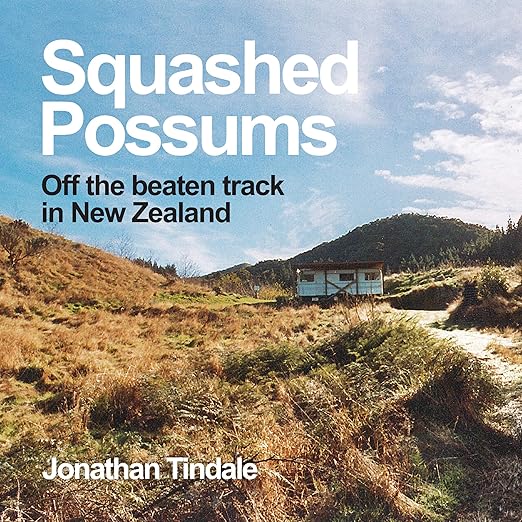
Yes, the lone RV. The caravan that Tindale lived in for four seasons in the New Zealand outback, including what the synopsis describes as the country’s coldest winter in decades, tells the story from its own perspective. This sounds, on paper, like a conceit that would exhaust itself within the first chapter. It does not, and Matthew Lyon’s narration is a significant reason why.
Our Take on Squashed Possums
At under five hours, Squashed Possums is a brief listen, and Tindale packs a surprising amount of texture into that runtime. The New Zealand setting is rendered with genuine specificity: the Maori chef who survived 9/11, the pioneers who shaped the outback communities, the almost-mythical kiwi bird glimpsed in passing, the hedgehogs and possums and wildlife that make the southern island feel like a place where the normal rules of fauna apply loosely. A New Zealand reviewer noted that Tindale captured the flavor of the people and countryside and the weather with real fidelity, and that local endorsement carries more weight than a tourist’s impressions.
The structural conceit, the caravan as narrator, does meaningful work beyond novelty. It allows Tindale to observe himself from a slight remove, which is a gift in memoir. The caravan has no ego investment in Tindale’s choices, which means the book’s humor tends toward self-deprecation rather than self-congratulation. The reversal-off-a-cliff episode, described in the synopsis, is funnier for being told by a vehicle who has a very direct perspective on what idiotic decisions were involved.
Why Listen to Squashed Possums
Matthew Lyon’s narration is one of the book’s genuine pleasures. He finds the caravan’s voice quickly, dry and observational and affectionate rather than ironically detached, and he sustains it consistently across the full runtime. The transition between the caravan’s narration and the occasional historical or cultural sections feels natural rather than disjointed, which required more skill than it probably appears to have required. One reviewer needed a few minutes to adjust to the conceit and found it immediately rewarding once they settled in.
The book was a finalist for the 2016 Readers’ Favorite Awards in Travel Non-Fiction, which suggests it found its audience in print. The audiobook format adds a dimension that the print book cannot offer: Lyon’s performance makes the caravan feel like a genuine personality rather than a narrative trick, which is the difference between a conceit that works and one that merely exists.
What to Watch For in Squashed Possums
The 3.9 average rating across 300 reviews is the lowest in this batch, and it reflects a real limitation rather than critical misunderstanding. The book is slight. Under five hours for a four-season account of living in the New Zealand outback means that large portions of what that experience must have contained are missing. Tindale gestures at depths he does not have the page count to explore. The Maori chef and the 9/11 connection, the pioneering families and their histories, the coldest winter in decades, all of these receive enough attention to suggest they deserved more than they got.
The short writings at the end, noted by a reviewer as an unexpected addition, are an interesting structural choice. They function as a kind of coda, additional observations that did not fit the main narrative, and they give the book a slightly looser final third. Whether that looseness is a problem depends on how strongly you prefer tight editorial organization versus the feeling of a writer continuing to share things they noticed.
Who Should Listen to Squashed Possums
This is a light travel memoir in the best sense of light: accessible, unhurried, and genuinely affectionate about its subject without being precious. It suits listeners who have been to New Zealand and want to feel the place again, listeners who have not been and want something better than a guidebook, and anyone who is predisposed to enjoy travel writing with an unconventional narrative structure. At under five hours, the commitment is low enough that the rating differential from this reviewer’s other recommendations matters less than usual. It is an interesting listen, a genuinely inventive piece of travel writing, even if it does not quite deliver on the full promise of its premise.
Frequently Asked Questions
Does the caravan-as-narrator conceit work throughout the entire book, or does it wear thin?
Most reviewers find it consistently charming rather than exhausting. Matthew Lyon’s performance is a key factor: he finds a distinct personality for the caravan quickly and maintains it, which prevents the structural device from calling attention to itself.
Is prior familiarity with New Zealand necessary to enjoy this book?
No, and several reviewers who had never visited found it gave them a more vivid sense of the country than standard travel writing. A New Zealand reviewer specifically praised Tindale’s fidelity to the local character and landscape, which suggests the material holds up from both inside and outside perspectives.
How does Squashed Possums compare to Bill Bryson’s travel writing, given his blurb on the cover?
One reviewer explicitly described it as reminiscent of Bryson without being a copy, which is accurate. The observational humor and attention to overlooked details are Bryson-adjacent, but Tindale’s structural choices and New Zealand specificity are his own. The caravan conceit is something Bryson would not have tried.
At under five hours, does the runtime feel adequate or does the book feel truncated?
It feels somewhat truncated. Several subjects the book raises, including the pioneering families and the coldest winter account, receive enough attention to suggest they warranted more depth than the page count allowed. It is a satisfying listen but also one where you wish the author had taken more time.