Quick Take
- Narration: Virtual Voice (AI narration) delivers the list-heavy content competently but without inflection or personality. For a reference guide, the lack of human presence is less damaging than it would be for narrative content.
- Themes: Economic collapse preparedness, supply chain vulnerability, household resilience
- Mood: Urgent and practical, written for readers who are already concerned
- Verdict: A compact, actionable prepper checklist that works as a reference document but covers ground that more experienced preparedness readers will find familiar.
I want to be upfront about the context in which I am reviewing Sold Out Forever. This is a preparedness guide narrated by Virtual Voice, which is Audible’s AI narration technology. That is worth naming clearly because the listening experience of an AI-narrated audiobook is genuinely different from a human performance, and that difference matters for how you evaluate the format choice. For a list-heavy reference guide, the absence of a human narrator is less significant than it would be for memoir or fiction. But it is still an absence, and at three hours and twenty minutes, you are spending a meaningful amount of time with a voice that cannot adapt its delivery to the content.
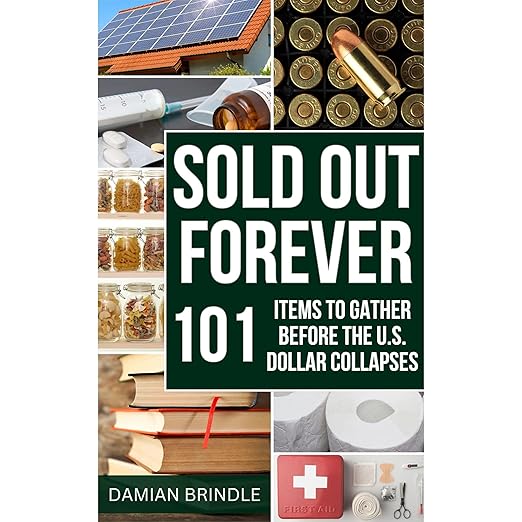
Damian Brindle presents himself as a survivalist with twenty years of real-world preparedness experience, and Sold Out Forever is structured as a practical, no-fluff guide to the 101 items he believes households should stockpile before an economic collapse or major supply chain disruption. The historical framing references Weimar Germany, Yugoslavia, and Zimbabwe as precedents for hyperinflation, a fair historical point, and the core argument is that preparation before a crisis is categorically different from preparation during one.
Our Take on Sold Out Forever
The book is best understood as a structured checklist with explanatory context rather than a narrative argument. Brindle moves through categories systematically: water systems, food storage, first aid, hygiene, manual tools, off-grid power, home security, self-defense. Each item gets brief reasoning alongside practical buying guidance, including specific brands and quantity recommendations where applicable. The two-phase structure, thirty-day survival followed by long-term collapse resilience, is a sensible organizational framework that distinguishes between different kinds of crisis and the different needs they generate. For a listener who is new to preparedness thinking, this structure provides a clear onboarding. For someone already familiar with the preparedness literature, this will cover familiar territory.
Why Listen to Sold Out Forever
The book’s value is primarily as an organized reference rather than as a persuasive argument or a detailed manual. Reviewers noted that it functions best as something you can use to audit what you have and identify gaps. The hyperlinks mentioned in the print version are not accessible in audio format, which is worth knowing if that was part of why you were interested. The Virtual Voice narration handles the list structure adequately, moving through items with reasonable clarity even without the tonal variation a human narrator would bring. Brindle has written multiple books in the preparedness space, and readers of his earlier work report consistent value across his catalog.
What to Watch For in Sold Out Forever
One reviewer flagged the book as far too basic, and that is a fair warning for experienced preparedness readers. The 101-item structure necessarily treats each item briefly, and the depth of information per item is calibrated for someone new to preparedness rather than someone already operating an off-grid setup. The title’s economic collapse framing, specifically the focus on the U.S. dollar vanishing, is the most sensational aspect of the packaging and should be understood as marketing framing around what is ultimately a practical household preparedness guide. The book covers natural disasters, civil unrest, and inflation alongside economic collapse, and most of the advice applies regardless of which scenario concerns you most. The AI narration is the other significant caveat: three hours and twenty minutes of Virtual Voice is a flat experience, and some listeners will find it preferable to simply read the content in print where they can also access the reference links.
Who Should Listen to Sold Out Forever
Households that are thinking seriously about preparedness for the first time and want a structured introduction to what to stockpile and why. The two-phase approach is practically useful for breaking a potentially overwhelming project into stages. Experienced preparedness practitioners who already have most of the listed items will find limited new information here and should look for more advanced titles in Brindle’s catalog or elsewhere. If AI narration is a dealbreaker for you, the print or ebook edition will serve the reference function better than the audio version.
Frequently Asked Questions
What is Virtual Voice narration, and does it significantly affect the listening experience?
Virtual Voice is Audible’s AI-generated narration technology. It reads the text accurately but without the tonal variation, emotional inflection, or pacing adaptation that a human narrator provides. For list-heavy reference content like this book, the impact is less severe than it would be for narrative material. However, three hours of AI narration is a noticeably flatter experience than a human performance.
Is this book primarily about economic collapse, or does the preparedness advice apply to other scenarios?
The title and marketing lean heavily on the economic collapse angle, but the actual advice covers natural disasters, civil unrest, and general supply chain disruption as well. Most of the 101 items are relevant regardless of which specific scenario concerns you. The collapse framing is more pronounced in the packaging than in the content itself.
How does this compare to other prepper guides for someone just starting out?
For a true beginner, the two-phase structure (first 30 days versus long-term resilience) provides a useful organizing framework. Brindle’s item-by-item approach is accessible and practical. More experienced preparedness readers will likely find the depth insufficient, as each item receives brief coverage to fit the 101-item scope.
The synopsis mentions specific brands and quantities. Are those recommendations well-sourced?
Brindle draws on what he describes as twenty years of preparedness experience, and reviewers from the preparedness community consistently find his product recommendations practical and specific. The brand recommendations are his own based on that experience rather than formally researched comparisons, which is worth keeping in mind.