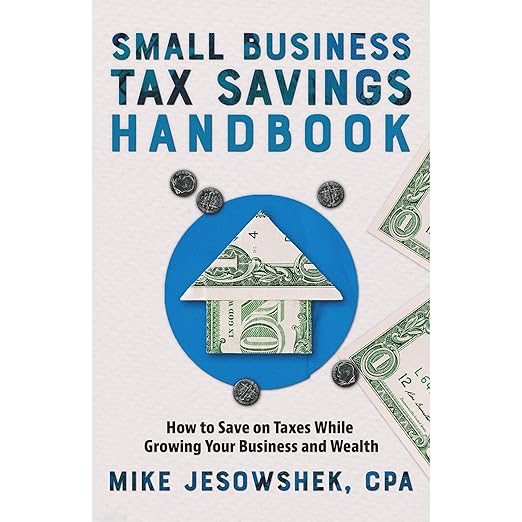
Chapter summaries are the tell. Mike Jesowshek built this one to be returned to rather than finished, and the buyer who calls it a reference worth revisiting as a business evolves is reading it exactly as designed. That is the real question hanging over the audiobook, because five hours and twenty-six minutes of unbroken linear audio is the least browsable object publishing currently produces. You cannot flip to a section on vehicle deductions inside a file. You can only scrub, guess, and scrub again, and by the third attempt you have lost whatever question sent you looking.
Legal and Aggressive Sit on the Same Line
Straight talk is what the pool keeps rewarding, and the strongest notice on the page explains why. Vincenzo D describes a book that cuts through the confusion and goes directly at what matters for owners, with explanations that stay easy to follow without oversimplifying and strategies that feel usable rather than theoretical. That notice also picks out the emphasis on staying fully legal while being aggressive, which is the line this whole category lives or dies on. Tax content that winks at the reader is worthless, and tax content that refuses to commit to anything is worth just as little. Jesowshek lands on the workable side of that line, which is harder than it sounds when the honest answer to most questions is that it depends on your situation.
Jesowshek promises a decluttering of the tax code into steps: proven strategies for cutting the bill, real-life scenarios worked through, and a list of expensive mistakes to steer around. Nothing about that structure is novel and it does not need to be, because novelty is the last thing anyone wants from tax guidance. Value in this corner of the shelf sits almost entirely in whether the examples map onto a business that looks like yours, and the range here runs from someone filing a first return through to an operation with payroll and entity questions already settled. That breadth is a strength and a warning at the same time, because a book aimed at every stage will spend some of its runtime on a stage you passed three years ago.
Missing an Index Becomes a Specific Advantage
Intimidation is the barrier this book was written against, and a five-star buyer names it outright: reading about taxes is normally an ordeal, and this one was not. That reader came away describing the book as a guide to legally reducing what you owe and building wealth with the money you keep, and framed the whole thing around a single point about how expensive not knowing turns out to be. For a subject most owners avoid until the deadline is visible, getting somebody to finish the material at all is most of the win. Everything else in this category assumes an attention span the subject does not earn on its own.
Audio has one specific advantage over print here, and it is not convenience. A tax handbook read cover to cover in order forces you past the sections you would have skipped, which is where the expensive gaps usually sit. Owners tend to know their own deductions inside out and know nothing whatever about the two categories next door. A file with no index is bad for lookups and unexpectedly good for exposure, and if you treat the first pass as a survey rather than as a manual, the format starts working for you rather than against you. That is a genuine argument for buying the listening edition first and the printed one afterward, which is the reverse of the usual advice in this category.
Synthesis Struggles With Numbers Across Five Hours
Virtual Voice appears where a reader's name would normally sit, which means a synthetic system produced this recording rather than a person. That is a stateable fact rather than a judgment, and it interacts badly with one specific feature of this book. Dollar figures, entity abbreviations, percentages and section numbers are the substance here, and those are precisely the strings where synthesis has the least room to signal what matters. A human reader slows down at a threshold amount. A generated one does not know a threshold has arrived.
Pool composition is the second thing to watch. Two of the five written notices predate the audio edition itself by months, so the enthusiasm you are reading was earned in print and has simply been carried across. That does not make any of it dishonest, and an aggregate of 4.8 across 69 ratings is genuinely high by the standards of the category, but it does mean the score is not grading the recording. One of the five runs to four words and carries nothing you could act on. The usable evidence behind that headline figure is a good deal thinner than it looks.
Currency is the third problem on this listing, and it is easily the most expensive one to get wrong. Tax material has a shelf life measured in legislative sessions, and nothing anywhere on this listing states which filing years these strategies were written against. A guide of this kind does its best work in the first two years and then becomes a liability quietly, without changing a word of itself. Verify anything you intend to act on against current guidance or a professional before it goes anywhere near a return, and treat the confident tone as a feature of the writing rather than a guarantee about the law.
Owners in Their First Three or Four Years
Owners in their first three or four years get the most out of this, especially anyone still running as a sole proprietor and wondering whether that is costing money. One notice describes it as landing for the newbie and the seasoned owner alike, and the structure genuinely supports that claim: the early material assumes nothing, and the later material assumes you have a real entity and real payroll to think about.
Confirmation is most of what you get if an accountant is already doing proactive planning on your behalf, and that has some value but not much. Authority on a single complex question, a particular credit or a multi-state problem, is not what a general handbook in an unsearchable format can offer. Buy print alongside if working through the chapter-end summaries with a pen is the plan, because the recording is the survey and the paper is the reference, and forcing either one to do the other's job is exactly where the frustration starts.
Who narrates the Small Business Tax Savings Handbook audiobook?
Virtual Voice is what this page gives in place of a reader's name, which identifies a synthetic narration system rather than a person. No human performer is named anywhere. That matters most around figures and abbreviations, where a generated reading gives you no emphasis cues about which numbers are thresholds and which are examples.
Is this audiobook current enough to act on?
No release on the page pins the content to a legislative year, and few categories age faster than this one. Use it to learn the shape of the questions and to find the gaps in what you already know, then have a professional confirm the specifics. Treat confidence in the writing as style, not warranty.
Can I use a linear audio file as a tax reference?
Not well. A recording has no index, no page numbers and no way to jump to the paragraph about home offices. Listen straight through once for coverage, write down the handful of sections that apply to your situation, then look those up somewhere searchable before you act.
Does it cover entity choice or only deductions?
Scope runs wider than deductions. Advice is pitched at owners across different stages, alongside a set of common and costly mistakes. One buyer describes it touching many facets of running a small business and the consequences of different decisions, which points at structural questions rather than a checklist of write-offs.