Before You Press Play
- Read by: James Anderson Foster brings a focused, measured delivery to Auryn's instructional material - the tone is serious without being heavy, which suits a book asking listeners to engage actively with the practices described.
- At its heart: spellcraft and practical magic, bridging psychic and physical dimensions, collaborative community practice
- Vibe: Earnest and detailed, like a master class in an established tradition
- Short version: Auryn's second book delivers more spellwork and ritual depth than the first - rewarding for practitioners who want structured, specific techniques rather than introductory frameworks.
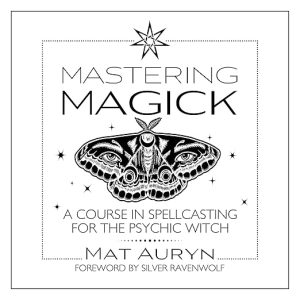
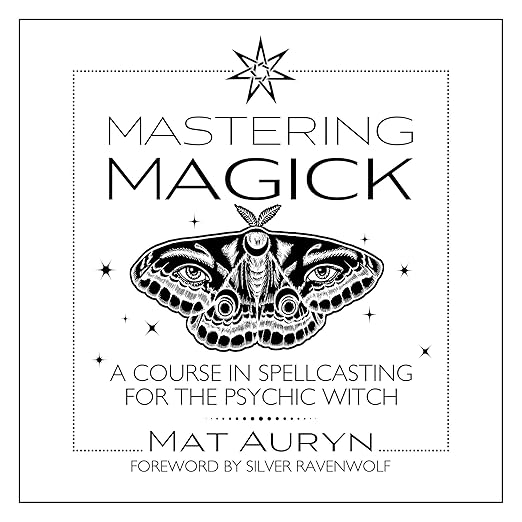
Mat Auryn's audiobook listed under the Psychic Witch series name is actually the second volume - Mastering Magick: A Course in Spellcasting for the Psychic Witch - and that distinction matters for anyone choosing between the two books. Where the first volume built a foundational inner energy framework, this one moves into external spellcraft: more than 60 spells, connections with witchcraft tools, the elements, moon cycles, planetary influence, and the mechanics of making magic work in practice. James Anderson Foster narrates, and the audiobook at 9 hours and 24 minutes reflects the considerable scope of Auryn's expanded project. Contributor spells from practitioners including Christopher Penczak, Storm Faerywolf, Astrea Taylor, and Madame Pamita give the volume a broader community dimension than Auryn's solo voice alone would provide.
A Closer Look at Psychic Witch
The structural choice in Mastering Magick that distinguishes it from most witchcraft instruction books is Auryn's insistence on teaching the mechanics of spellcraft rather than just the spells themselves. He argues that understanding why a spell works - the energetic architecture behind it, the relationship between the practitioner's intent and the materials used - is what separates effective practice from rote performance. That approach aligns with the emphasis on psychic development in his first book and extends it outward: the internal attunement built in volume one becomes the instrument that powers the spellwork in volume two. Reviewer Michelle Avery describes it as expanding beautifully upon the earlier Psychic Witch, guiding readers from inner energy work into the creation of powerful spells. That trajectory is accurate and intentional. Reviewer Jaclyn Cherie identifies Auryn's particular gift as making readers feel seen and validated in their own experiences - which is a meaningful observation about what makes occult instruction effective versus alienating. The 13 contributed spells from other practitioners add both breadth and credibility: contributors like Penczak and Faerywolf are significant voices in the modern witchcraft community, and their inclusion acknowledges that practice lives in tradition and community rather than individual authority alone. The breadth of contributors also means that different stylistic approaches to spellwork are represented, giving the audiobook a more varied texture than a single-author instructional approach would produce. Auryn integrates these contributions rather than simply appending them - the surrounding text frames each guest spell in terms of his own larger pedagogical argument about why certain correspondences and intentions work the way they do.
What Makes Psychic Witch Worth Hearing
James Anderson Foster's narration is steady and serious - the right register for instructional content that asks the listener to engage actively rather than passively absorb. Auryn's material requires a narrator who takes the subject matter at face value, and Foster does not introduce any detachment or skepticism into the delivery. The 9-plus-hour runtime reflects the density of the spellwork instruction - there is considerable specific content here, from the correspondences between tools and elements to the detailed mechanics of individual spells. For practitioners who worked through the first volume and found the psychic development framework useful, the practical application of those tools in spellcraft is the natural extension. Reviewer mp60, who came to this second volume first because of their own existing practice with energy and intuition, found it engaging precisely because it offered structured techniques for returning to formal spellwork after years away from tools and herbs. That flexibility - the book working for both those who followed the series in order and those who started here - suggests Auryn builds in enough context that the second volume is not entirely inaccessible to newcomers, though the first volume remains the cleaner entry point. The moon and planetary sections are among the most detailed in the book: Auryn moves from general correspondences to specific timing recommendations and back to the underlying energetic logic, which gives even experienced practitioners a framework for evaluating the timing advice rather than simply accepting it on authority.
Things to Know Before Starting Psychic Witch
The listing presents this under the title "Psychic Witch," but what you receive is the second book in the series. Listeners expecting the introductory psychic development content of the first volume will need to adjust their expectations before purchasing. The first volume is the better starting point for anyone new to Auryn's work - it provides the inner framework that this book's spellcraft is designed to operate from. The book's serious instructional mode also means it is not a casual listen. Auryn does not write with the entertainment-first energy of some witchcraft writers who balance instruction with narrative or atmospheric anecdote. This is structured course material, and listeners who want their occult listening to be more narrative or atmospheric will find the format demanding. The contributor sections, while valuable, shift the voice and register periodically, which can disrupt the listening flow for some listeners accustomed to a single authorial voice throughout.
Who Mat Auryn Is Writing For
This audiobook rewards practitioners who have an existing foundation in witchcraft or psychic development and want a structured, mechanics-focused approach to spellcasting. Listeners who read the first Psychic Witch volume and want to extend that inner work into practical spellcraft will find this exactly what they need. The contributed spells from recognized community figures like Penczak and Faerywolf add value for those already familiar with those practitioners' approaches. The 4.8 stars across more than 650 ratings reflect a committed practitioner audience. Skip this audiobook if you are entirely new to witchcraft and want an introductory overview - start with the first volume in the series. Also skip if you want a more narrative or atmospheric listening experience rather than structured, mechanics-first instruction.
Questions Listeners Ask
Is the Psychic Witch audiobook the first book in the series or the second?
The title listed as Psychic Witch is actually the second book in Mat Auryn's series - Mastering Magick: A Course in Spellcasting for the Psychic Witch. The first volume, Psychic Witch, focuses on inner energy development and psychic ability. This second volume extends that into practical spellcasting with more than 60 spells. New listeners should start with the first volume.
Do I need to have read the first Psychic Witch audiobook before listening to this one?
Auryn builds in enough context that the second volume can be followed independently, and at least one reviewer came to this book first based on their existing practice. But the inner energy framework developed in volume one is the foundation for the spellcraft here, so starting with the first volume will give you a more complete and coherent experience.
Who are the contributing practitioners in the Psychic Witch series second audiobook?
More than a dozen practitioners contributed spells to Mastering Magick, including Christopher Penczak, Storm Faerywolf, Astrea Taylor, and Madame Pamita. These are recognized figures in the modern witchcraft community, and their contributions extend the book beyond a single author's perspective into a broader tradition.
How does James Anderson Foster's narration handle the practical ritual instruction in this audiobook?
Foster delivers the instructional content with steady seriousness - he treats the material at face value without irony or distancing. For a book asking listeners to engage actively with the practices described, that commitment to the subject matter is appropriate. The pacing is measured, which suits the density of the spellwork instruction.