In Brief
- Performance: Chad Gustafson delivers clean, professional narration that keeps the material credible and avoids infomercial tone.
- What it covers: Infinite banking concept, whole life insurance as a financial tool, personal wealth management
- Feel: Professional and instructional, compact and focused without padding
- Our call: A serviceable two-hour introduction to the infinite banking concept, best treated as an orientation that requires independent research before any implementation.
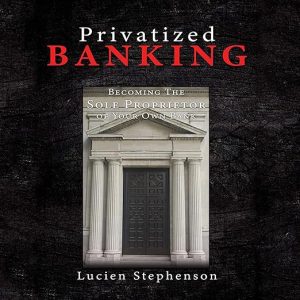
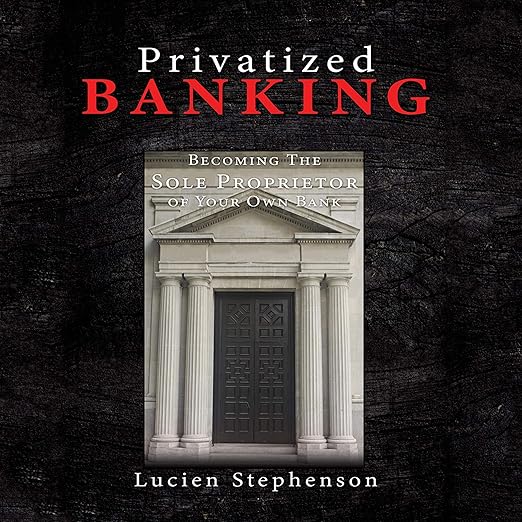
Financial advice audiobooks that promise insider secrets tend to come in two flavors: the kind that delivers practical mechanics once you strip away the marketing language, and the kind that delivers more marketing language. Privatized Banking, narrated by Chad Gustafson and written by Lucien Stephenson, lands in an interesting middle category. The core concept Stephenson is describing, using whole life insurance policies as a vehicle for infinite banking, is a real and documented strategy with genuine adherents among certain financial planners. The audiobook's job is to explain how it works and why it might be useful. At just over two hours, it has limited space to do that in depth.
Chad Gustafson's narration is clean and professional, well suited to financial content. He does not oversell the material, which is the right instinct for a subject that benefits from measured presentation. The pace is clear without being condescending, and the technical passages are delivered with enough precision that listeners can follow the mechanics without losing the thread.
Stephenson frames the central argument around a question that is more pointed than it might first appear: who actually gets rich when you borrow money? His answer, that it is consistently the lending institution and not the borrower, is the foundation for the infinite banking concept he then lays out. The strategy involves using the cash value component of a specifically structured whole life insurance policy as a personal bank, borrowing against it for major purchases and eventually capturing the interest that would otherwise flow to a conventional lender.
The concept has been around since at least the mid-20th century, associated with financial educator Nelson Nash's work on becoming your own banker. Stephenson positions his own book as an accessible entry point to the same territory, and for listeners entirely new to the idea, the short runtime works in its favor. The core mechanics fit within two hours without padding. The pitch that less than one percent of American investors know about this strategy is classic financial marketing language and worth holding at arm's length; the strategy is well documented in certain circles. But that framing need not undermine the underlying content for a listener approaching it critically.
Gustafson Keeps This From Becoming an Infomercial
Gustafson's narration helps the audiobook punch above its page-count weight. A less disciplined narrator might allow the book's more enthusiastic passages to tip into infomercial territory. Gustafson keeps the temperature steady, which serves both the credible and the more promotional sections of the material equally well. For a short financial title dependent on a listener's trust in the presenter, that restraint is valuable.
The book is most useful as an introduction to a concept that warrants deeper exploration before any financial commitment. Stephenson does a serviceable job of explaining how whole life policies build cash value, how policy loans work differently from conventional loans, and why the interest dynamics favor the policyholder over time. The high-level mechanics are accurate; the details that would matter for implementation are beyond what a two-hour audiobook can responsibly cover. That transparency about the book's own scope is one of its more useful qualities.
Two Hours Is Both Strength and Limitation
The available listener data skews sparse, making it difficult to assess how the book lands across different financial backgrounds. The concept Stephenson advocates is legitimate but is also frequently oversimplified in popular financial media, and listeners should approach any implementation decisions with independent research and qualified financial advice. Stephenson's framing is promotional enough that critical distance is warranted throughout.
The two-hour runtime is both the book's strength and its limitation. It is long enough to introduce the concept clearly and short enough to hold attention without digressing. But the complexity of structuring an infinite banking policy correctly, including selecting the right policy type, working with a knowledgeable insurance agent, and understanding the tax implications, cannot be adequately covered in this format. This audiobook is best understood as an orientation rather than a complete guide. Listeners who have already encountered the infinite banking concept and want a quick refresher will find the audiobook more valuable than those expecting a complete financial implementation manual.
What Stephenson does well within his constraints is communicate the underlying logic of interest capture in terms that do not require a financial background to follow. The core argument, that every dollar of interest you pay to a conventional lender is a dollar that did not compound in your own account, is not complicated. The vehicle for doing something about that is more complex, but Stephenson keeps the explanation accessible. Listeners who have spent time with mainstream personal finance media will find the approach genuinely different in its framing, whatever reservations they might have about the promotional register in which it is sometimes presented. The argument deserves engagement on its own terms before the promotional elements are allowed to determine whether a listener takes it seriously.
Gustafson's Steady Narration Suits a Two-Hour Primer
This audiobook suits listeners who are curious about alternative personal finance strategies and are looking for a starting point rather than a comprehensive manual. Those already familiar with infinite banking or whole life insurance strategies will find the content introductory. Financial professionals looking for detailed implementation guidance will need to go further. For the genuinely curious listener who wants a two-hour primer on a strategy most mainstream financial media ignores, Chad Gustafson's steady narration makes this a reasonable starting point, provided it is paired with additional research before any actual financial decisions are made.
Before You Listen
Does this audiobook cover the full mechanics of setting up an infinite banking policy?
No. At just over two hours, the audiobook introduces the concept and explains the high-level mechanics. Actual implementation requires working with a specialized insurance agent and doing additional research beyond what this format can cover.
How does Chad Gustafson's narration serve the audiobook?
Gustafson's measured delivery keeps the more promotional passages from tipping into sales territory, which is the right call for financial content that depends on listener trust. The narration is clear and professional throughout.