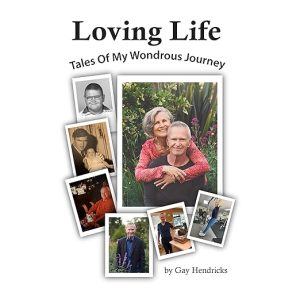
- Read by: The narrator field reproduces the author field exactly, PhD and all, so every anecdote arrives in the voice that lived it, with nobody standing in between.
- At its heart: a quirky Southern family, somatic psychology, travel as transformation, midlife reinvention
- Vibe: Warm and anecdotal, comic well before it turns earnest
- Short version: A promising five-and-a-half-hour memoir that nobody has reviewed in writing yet, so you are buying the description and the credit.
Nothing has been written under this audiobook. Two people have voted and neither left a word. The badge reads 4.5, and because whole-star votes are the only currency in play, a two-vote total of nine has precisely one decomposition: somebody gave it five and somebody gave it four. That is the complete body of public opinion attached to five and a half hours released in March 2026. Everything else I can tell you comes from the description, the credit line and the runtime, so treat what follows accordingly.
The Narrator Field Reproduces the Author Field
The credit is the first thing worth a second look. The narrator field reproduces the author field character for character, PhD included, in both places. For a memoir that is usually the right arrangement, since the comic timing of a family story belongs to whoever survived it, and this material is comic in a specific way. It also means no professional reader stands between the anecdote and you, which cuts both directions: nothing gets smoothed, and nothing gets rescued either.
A Bowl of Transcendent Minestrone Closes the List
An itinerary is what the description mostly offers, and it is a better one than most memoirs manage. A grandmother who refused to drive in reverse. A chainsmoking, high-powered mother who ran for mayor on a dare and won. A bicycle trip across Tibet, a trek through a tiger-infested Himalayan jungle, a psychedelic night in the desert of central Mexico, and a bowl of transcendent minestrone. That last item is carrying a great deal of weight in a list like this, and I mean that as praise.
That is the promise. Whether five and a half hours delivers on it, nobody who has paid for the recording has said. The publisher line reads Waterside Productions, and the tag on the record reads Art and Literature, which is not what a book about somatic psychology and relationship transformation is. The genre placement, biography and memoir, is accurate. The tag beneath it is decoration, and a listener browsing by tag would arrive here for the wrong reason entirely.
Candid, Heartfelt and Often Hilarious, in That Order
Five and a half hours is a generous length for a life told at speed, and the structure the description implies is the one that suits audio best: discrete episodes, each with a beginning and a punchline, arranged loosely by chronology. You can leave and come back without losing the thread. A memoir organized around a bicycle in Tibet and a Himalayan jungle does not require you to hold an argument in your head across chapters, and in a format people play while doing something else, that is a genuine structural advantage.
A second reason to consider it is the register. The description promises candid, heartfelt and often hilarious, in that order, and it puts the family ahead of the adventures: we meet the quirky Southern relatives first, before going anywhere at all. Memoirs by people who have spent a career in psychology tend either to harden into case files or to withhold everything personal. This one advertises neither. The comedy is the frame, the family is the setup, and the transformational material arrives afterward as consequence.
What the author brings to it is a documented specialty. The description places him as a pioneering figure in somatic psychology and relationship transformation, which means the interior vocabulary will not be improvised. When the book reaches the growth of consciousness and the evolution of love in a modern Renaissance man, that phrasing is coming from somebody who has spent decades defining those terms professionally. Whether the language suits you is a matter of taste, and the description hands you a clean sample to test yourself against before you spend anything.
No Studio, No Director, No Production Credit
Once you subtract the anecdotes, the description does very little verification work. It gives no chapter structure, no span of years, no sense of how much of the five and a half hours goes to the Southern childhood as against the Tibetan bicycle. It says nothing about whether the recording is complete or condensed. On a self-read memoir that distinction matters more than usual, because an author trimming his own book cuts in different places from where an editor would.
By the standards of a March 2026 release, two votes and no text is ordinary, not alarming, since new records take months to build a column. What it does mean is that every claim on this page originates with the people selling it. The word rollicking, the word remarkable, the promise of a modern Renaissance man: all of it is jacket copy, and jacket copy for a memoir is written to make a life sound inevitable. Nobody independent has yet stood up to say whether it holds for five and a half hours. The badge is doing no work either: on a two-vote average, one further listener who disagrees drags the whole number down by half a point.
Three practical gaps deserve naming before you commit. The record carries no series information, so this stands alone with nothing before or after it. It carries no ISBN and no page count, which at least means nobody has welded a print edition onto an audio listing here. And the publisher is the only third party this listing names at all, with no studio, no director and no production credit of any kind attached to the five and a half hours in which one man reads his own sentences aloud.
Skip It if You Want Evidence or Exercises
Listeners who enjoy a life told as a run of tall true stories, and who do not need a therapeutic takeaway bolted onto each one, are the audience here. So is anyone already working in or around somatic practice who wants the founder's own account of how the ideas actually arrived, which the description suggests is the real spine underneath the travelogue. Five and a half hours is short enough to gamble on a writer you have never read, and the register is set out clearly enough to judge in advance.
This is not the recording for a listener who wants evidence, method or exercises, because the description promises a life and not a program. Hold off as well if you prefer a written verdict before buying, since you will find none: two votes, one of them a five and one of them a four, with not one syllable of explanation from either. Until a written response appears, the page offers a runtime, a publisher and a promise of minestrone, which is less than most people want before giving up an evening.
Frequently Asked Questions
Why are no written reviews attached to this audiobook?
The record is dated March 2026 and carries two votes with no accompanying text. New releases take months to accumulate a column, so the silence is unremarkable in itself. It does mean every claim on the page originates with the publisher, and nobody independent has yet said whether five and a half hours holds together.
What does a 4.5 built from two votes actually tell me?
Very little, though the arithmetic is unusually clean. Two whole-star votes averaging 4.5 must come to nine points, and nine has exactly one decomposition available: one five and one four. So one person found it faultless and one person did not quite. That is the entire public verdict on this recording.
Does the author read his own audiobook here?
Yes. The narrator credit reproduces the author credit character for character, PhD included, so no professional reader sits between the anecdote and the listener. For comic family material and first-person travel writing that is generally the arrangement you want, although it does mean the pacing belongs to a writer, with a performer's instincts nowhere in it.