Quick Take
- Narration: Virtual Voice narration, the synthetic delivery is a significant mismatch for content about building authentic, engaging video presence; the irony of a machine voice explaining how to connect with audiences is hard to ignore.
- Themes: YouTube algorithm strategy, content planning with AI tools, channel monetization
- Mood: Functional and earnest but deflated by its own production choices
- Verdict: The content covers the right topics for 2026 YouTube strategy, but the Virtual Voice narration and the single two-star rating signal that this package hasn’t resonated with listeners looking for genuine guidance.
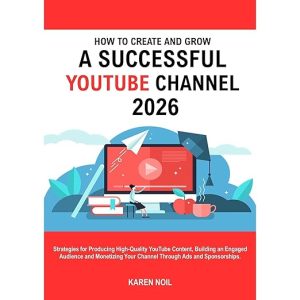
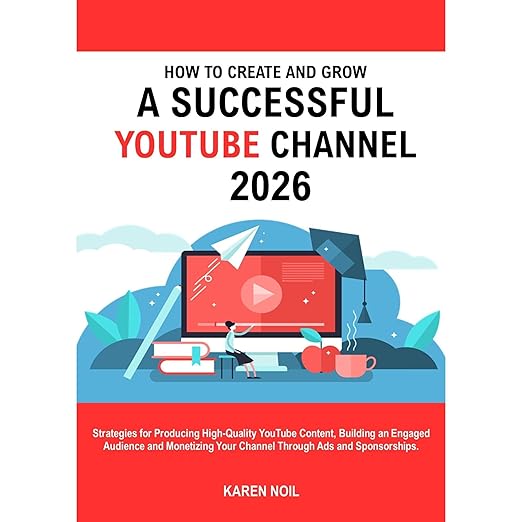
There is a particular kind of irony that accumulates around audiobooks about authentic content creation that are narrated by synthetic voices. How to Create and Grow a Successful YouTube Channel 2026 asks you to trust its guidance on building genuine audience connection while delivering that guidance through a narrator who is, by definition, incapable of genuine connection. I flagged this pattern in my notes the moment I started listening, and it only became more pronounced as the content unfolded.
Karen Noil’s book lands in a crowded field. YouTube strategy guides are produced at a pace that rivals the platform they describe, and most of them share a common problem: the tactical advice has a half-life of months, while the structural advice is generic enough to be found anywhere. At two hours and twenty-four minutes, this is a short book, a pamphlet, really, and the challenge is to pack enough specific value into that runtime to justify the listen over a freely available YouTube channel that covers the same ground visually and interactively.
The 2026 Label and What It Actually Signals
The year in the title is doing real work here. It signals that the author has attempted to account for platform changes that make earlier guides feel archaeological. The content does include references to AI tools like ChatGPT for video planning and scripting, YouTube Shorts strategy, and faceless content creation, all of which are legitimately current topics as of this recording. The advice to avoid YouTube strikes and demonetization, and to build email lists as owned audiences distinct from platform audiences, reflects concerns that serious creators have been dealing with for several years.
What the book handles less well is the depth of any single topic. At under two and a half hours, it moves through setup, optimization, content creation, AI tools, Shorts, monetization, and platform compliance faster than most of these subjects deserve. Listeners who want a genuine understanding of the YouTube algorithm will need to supplement this with longer, more developed resources. What Noil provides is more of an orientation checklist than a working strategy, useful if you’ve never thought about these questions before, insufficient if you’re past the very beginning.
Virtual Voice and the Content Authenticity Paradox
The book’s one rating, two stars, and its absence of any written reviews is notable. Virtual Voice narration is widely associated in the audiobook ecosystem with self-published content that has not had the resources to invest in professional production, and listeners have become increasingly attentive to the distinction. For a book that repeatedly emphasizes building trust with your audience, authentic personal branding, and genuine connection with viewers, the choice of synthetic narration creates a credibility problem that the content itself cannot resolve.
This is not a problem unique to this title, but it is more damaging here than it would be in, say, a technical manual about database architecture. The subject matter requires the author’s voice to carry authority and conviction. A synthetic voice cannot convey either. Listeners hear the delivery and draw conclusions about the depth of investment behind the advice. Whether those conclusions are fair or not, they are real, and the two-star rating suggests they are shaping how people respond to the package.
What Holds Up and What Doesn’t
The structural advice is more durable than the platform-specific tactical detail. The emphasis on consistency over viral chasing, the guidance on building owned audiences rather than depending entirely on platform algorithms, and the warning against faceless content as a permanent strategy for anyone who wants long-term audience trust, these are sensible orientations that will remain relevant. The sections on ChatGPT for scripting and the specific Shorts growth tactics are more likely to age quickly as both the AI tools landscape and YouTube’s algorithm continue to shift.
For listeners who genuinely know nothing about YouTube and want a fast overview before committing to a more substantial resource, this book provides that. It does not provide it in a particularly memorable or compelling way, but the information is organized and the sequence is logical. Think of it as an airport bookshop paperback on a subject you plan to study properly once you land.
Who Should Listen and Who Should Skip
Listen if you have never thought seriously about YouTube as a platform and want a fast orientation to the major categories of concern. Listen with the understanding that this is a starting point, not a complete education. Skip if you’ve already done any reading or research on YouTube strategy, you will not find new thinking here. Skip if the Virtual Voice narration disrupts your ability to absorb the content, which for many listeners it will. The genre is crowded with better-produced alternatives that deliver more developed guidance.
Frequently Asked Questions
Why does a YouTube strategy book from 2026 have a two-star rating and no written reviews?
The Virtual Voice narration is likely the primary factor. Listeners in the content creation space are particularly sensitive to the mismatch between synthetic delivery and advice about building authentic audience relationships. The short runtime and the competitively crowded genre also mean that listeners who feel underserved don’t linger.
Does the book cover AI tools for YouTube content creation?
Yes. ChatGPT and AI tools for planning, scripting, and optimizing videos are covered. The guidance reflects how creators were using these tools around the time of the book’s production, though specific tool capabilities and platform integrations will continue to evolve.
Is the book suitable for someone who has been creating YouTube content for a year or more?
Probably not. The coverage assumes very little prior knowledge and moves through topics at a pace that prioritizes orientation over depth. Creators with any meaningful experience will find the material too foundational to be actionable.
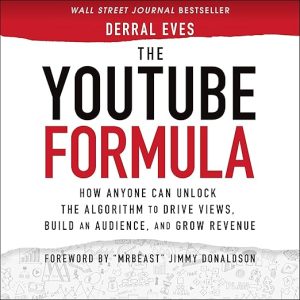
How does this compare to longer, more established YouTube strategy audiobooks like The YouTube Formula?
The YouTube Formula by Derral Eves runs significantly longer and is built around specific research into the algorithm’s mechanics. This book is better understood as a quick-start orientation. The two books are operating at different levels of depth and are not really competing for the same listener.