Quick Take
- Narration: Virtual Voice AI narration is adequate for a business how-to, though the absence of human inflection makes the sales scripting sections feel robotic.
- Themes: Sales prospecting, closing techniques, building an insurance practice
- Mood: Practical and motivational, aimed squarely at new agents
- Verdict: A useful quick-start resource for new life and health agents, but light on depth and best paired with field experience.
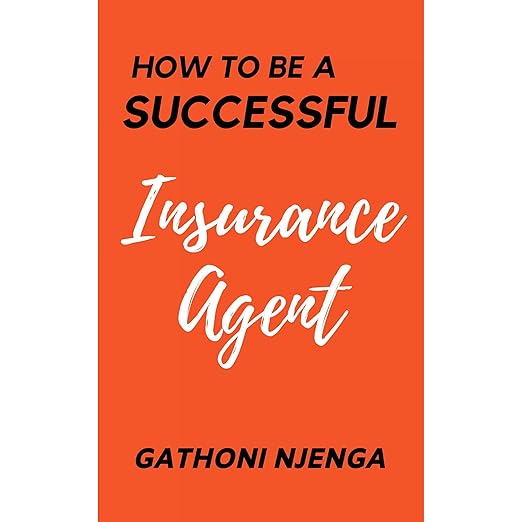
I do not cover a lot of sales training titles on AudiobookDaily, but this one crossed my desk alongside a batch of practical professional guides, and I was curious whether a book written by a working insurance veteran would hold up better than the generic hustle-culture titles that populate this corner of the catalog. Gathoni Njenga’s guide is short, one hour and twenty-eight minutes, and it knows what it is. It is a primer for people who have just entered the life and health insurance industry and need orientation fast.
The Virtual Voice narration is again the first thing to flag. For a book with sales scripts embedded in the content, actual phone dialogues that a new agent might rehearse, hearing those scripts delivered in a flat AI voice strips out the interpersonal energy that makes any sales script worth studying. You can read the words, but you cannot hear what the delivery is supposed to feel like. That is a meaningful limitation for this particular type of content, and it is worth knowing before you start.
Our Take on How to Be a Successful Insurance Agent
Njenga’s ten years in the life and health insurance field as an independent agent give the book a practitioner’s credibility that distinguishes it from more theoretical business reads. The core of the guide is prospecting and appointment-setting, how to find potential clients, how to structure a phone call, and how to run appointments that move toward a close. These are fundamentals, and for someone on day one of their insurance career, fundamentals are exactly what are needed.
Reviewers who found the book valuable tend to be new agents: people who felt overwhelmed by their first weeks in the field and found this gave them a baseline framework. One reviewer describes feeling much more confident after the book, having been working only as an observer before. That kind of response suggests the book is doing its job for the intended audience. The product-specific scripts that appear throughout, tailored to different insurance types, are the most immediately applicable material.
Why Listen to This Audiobook
The best reason to choose the audio version is convenience during a commute or between appointments. New insurance agents tend to be mobile, and the short runtime means you can absorb the full content during a couple of drives. The structure is clear enough to follow without visual reference, which matters when you are listening on the go.
Njenga’s background as an independent agent running her own agency also means the perspective here is not corporate or theoretical. The advice on prospecting and activity management reflects what actually happens when you are building a book of business without a large-firm support structure, which is a more useful frame for most new agents than top-down sales methodology.
What to Watch For in This Audiobook
One reviewer with industry experience noted misspellings and gaps in some numerical examples, which created confusion for a new agent trying to understand the specifics. In an audio format you will not see the typos, but you may encounter moments where the logic of a given section does not fully close. Njenga’s voice and intent are clear throughout, but the editing is not as tight as a professionally produced business title from a major publisher.
The coverage is also genuinely thin in places. A mixed-star review specifically flags that some topics lack sufficient detail and that the book would benefit from being more comprehensive. For a title running under ninety minutes, that is a predictable limitation, but it means experienced agents or anyone who has already done significant self-study will find this redundant.
Who Should Listen to This Audiobook
This is most useful for brand-new life and health insurance agents who want a quick orientation to prospecting, appointment-setting, and activity management before they start making calls. Agents with even six months of field experience will likely have absorbed most of these lessons already. If you are managing a team of new agents, it could serve as supplementary onboarding material, but it is not a substitute for mentorship or structured training.
Frequently Asked Questions
Does this guide cover specific insurance products like term life or Medicare supplements?
The book includes product-specific phone scripts for different insurance types, but it does not go deep on the products themselves. The focus is on prospecting and appointment mechanics, not product knowledge.
Is the AI narration a problem for a book that includes sales scripts?
It is a real limitation. Sales scripts are meant to be heard with natural inflection and timing. The Virtual Voice delivery flattens those elements, which makes it harder to internalize the rhythm of how a script should sound in a real conversation.
How does this compare to other insurance sales training books for new agents?
It is shorter and more practitioner-focused than most. Njenga writes from the perspective of an independent agent rather than a corporate trainer, which makes the advice more applicable to agents building their own practice. The trade-off is less theoretical depth.
Can an experienced agent get anything useful from this book?
Probably not much new. Reviewers who found it most valuable were complete beginners. One reviewer describes it as a solid refresher for someone returning to the business after time away, which seems like the ceiling for how experienced a listener should be.