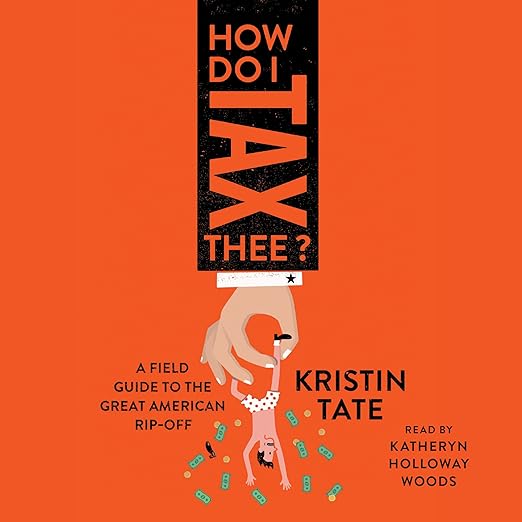
Before You Press Play
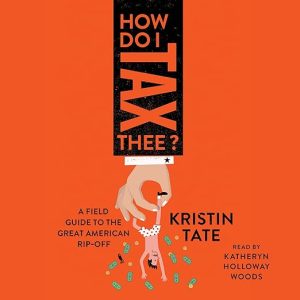
- Read by: Katheryn Holloway Woods delivers Tate's conversational, combative prose cleanly, though the tone occasionally tips into lecture mode.
- At its heart: hidden taxation, libertarian economic critique, government overreach
- Vibe: Combative and fact-dense, with flashes of dry humor
- Short version: A useful inventory of hidden fees and taxes, most persuasive to readers who already lean skeptical of government; less effective as a conversion tool.
I have a reliable test for books like this one: I listen to them on the morning commute, when my attention is real but my patience for padding is low. Kristin Tate's How Do I Tax Thee? passed the first half of that test. It moves quickly, it is specific where a lot of policy writing is vague, and it finds genuinely surprising examples. Whether it converts anyone who does not already share its premises is a different question.
Katheryn Holloway Woods handles the narration for the seven and a half hour runtime with a clean, efficient delivery. The writing is conversational and occasionally prickly, and Woods navigates Tate's sharper rhetorical moments without overemphasizing them. The result is a recording that sounds more like a well-informed friend explaining something than a lecture, which is probably the right register for this material.
Cataloging the Hidden Fees on Everyday Bills
The book's real strength is its empirical inventory. Tate catalogs hidden fees across cell phone bills, cable charges, gas prices, hotel stays, and airport transactions with the specificity of someone who has actually done the research. One reviewer noted that after reading the book they did the math on their own income and concluded they were paying more than sixty percent in combined taxes and fees. That specificity is what distinguishes this from a generic anti-government polemic. The chapters are short and punchy, which suits the audiobook format well.
The argument, broadly, is that Americans are being financially drained through a combination of official taxes and regulatory costs that function exactly like taxes without being labeled as such. Tate's point about universal service fund fees and FCC compliance fees on wireless bills is well-taken: most people pay these charges without understanding what they are or who mandated them.
Short Chapters Raise the Financial Literacy Floor
Because financial literacy around taxation is genuinely low, and this book raises that floor in an accessible way. Even reviewers who disagreed with Tate's libertarian conclusions noted that the research is solid and that they learned about fees they had never previously examined. One called it meticulous. The short chapter structure means the audiobook works well in segments, which matters for listeners with fragmented schedules.
The humor is a real asset. Tate does not write like an economist, which is intentional and effective. The book is closer to populist expose than academic analysis, and for its target audience that is exactly right.
Woods Keeps a Libertarian Argument Moving
The ideological framing is front-loaded and consistent throughout. If you are not already sympathetic to a libertarian reading of government, you will likely find yourself arguing back at the recording. Tate's prescription, which amounts to getting involved locally and pushing for smaller government, is acknowledged even by sympathetic reviewers as vague given the structural realities she has spent the book documenting. One put it memorably: exercising and eating right is also good advice and equally hard to follow.
The audiobook format does occasionally strip away some of the impact of statistics that work better on the printed page as tables or comparative figures. But Woods keeps things moving, and the chapter-by-chapter format mitigates that.
Useful Regardless of Where You Stand Politically
Well-suited to listeners who want a plain-language audit of where their money actually goes, regardless of political orientation. The most useful chapters for non-libertarian readers are those cataloging regulatory fees and hidden utility charges, which are analytically separable from the political argument. Tate is at her sharpest when she is documenting rather than prescribing, and those documentation chapters hold up regardless of where you sit politically.
Avoid if you are looking for policy proposals with specificity, or if the ideological frame will prevent you from absorbing the factual content. Listeners who go in knowing this is advocacy journalism rather than neutral analysis will get more out of it than those hoping for a centrist treatment of an inherently contested subject.