Quick Take
- Narration: Virtual Voice AI narration is flat and functional, adequate for reference material but lacking the texture a human reader would bring to a nuanced topic.
- Themes: Psilocybin cultivation, microdosing practice, therapeutic applications of psychedelics
- Mood: Informational and measured, with occasional earnestness
- Verdict: A serviceable introductory overview of psilocybin microdosing that falls short on the cultivation side, and whose AI narration limits the listening experience.
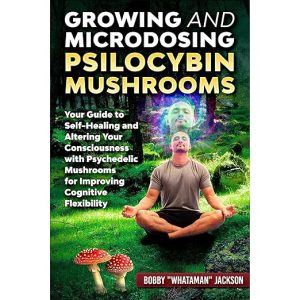
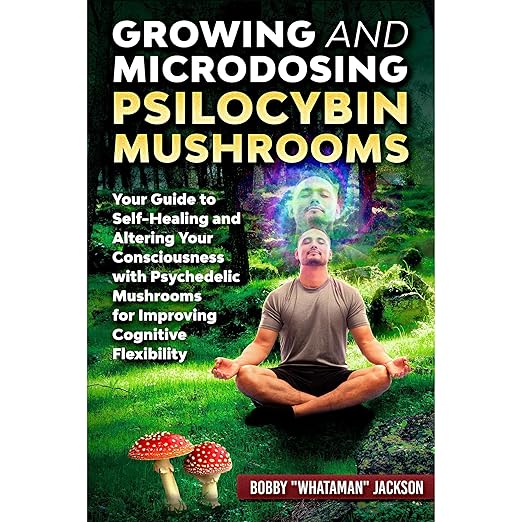
I want to be upfront about something before getting into this one. The narrator credit on this audiobook is Virtual Voice, which is Amazon’s AI narration system. For a short title at three hours and twelve minutes, that matters more than it would for a long work, because there is nowhere for the flatness to hide. I listened through on a weekday afternoon and found the content itself more interesting than the delivery made it feel.
Bobby Whataman Jackson covers psilocybin mushrooms with the cautious framing of someone aware they are writing about a legally contested substance. The book opens with a clear disclaimer about legality, urging listeners to check the laws in their jurisdiction before engaging with any of the material. That responsible setup is worth noting in a genre that often glosses over such considerations entirely.
Our Take on Growing and Microdosing Psilocybin Mushrooms
The book divides its attention between two areas: the cultivation of psilocybin mushrooms at home, and the practice of microdosing as a wellness and mental health tool. On the microdosing side, Jackson does reasonable work. He covers the distinction between recreational psychedelic use and controlled sub-perceptual microdosing, discusses the potential therapeutic applications in depression and PTSD treatment that have emerged from clinical research, and offers guidance on dosage and timing. One reviewer found this section genuinely informative, noting the author’s straightforward explanations and his references to supporting research. The therapeutic framing is careful rather than evangelical, which is an appropriate tone for material that sits at the edge of mainstream clinical acceptance.
Jackson also covers the basic taxonomy of mushroom varieties, walking through the differences between edible, toxic, and psilocybin species. For a listener genuinely new to the topic, this taxonomic grounding is useful context before anything more specific is introduced. The book positions itself as an introduction rather than an expert guide, and within that stated scope, the microdosing sections are honest about both the potential benefits and the limits of current knowledge.
Why Listen to Growing and Microdosing Psilocybin Mushrooms
If you are a curious listener with no background in psychedelics and want a primer on what microdosing is, why it has attracted attention from mental health researchers and practitioners, and how it differs from recreational use, this audiobook offers that introduction in a short, accessible format. The distinction Jackson draws between edible mushrooms, toxic varieties, and psilocybin species is useful context for listeners starting from scratch. The book also contextualises the current legal landscape honestly rather than glossing over it, which gives it a degree of credibility that more promotional treatments of the same subject lack. At just over three hours, the commitment is minimal, which makes it a reasonable starting point before you invest time in more detailed resources.
What to Watch For in Growing and Microdosing Psilocybin Mushrooms
The cultivation section is where this audiobook runs into real problems, and multiple reviewers flag this directly. One review notes that the growing section leaves a lot lacking, pointing out the absence of substrate recipes, mycelium jar preparation instructions, and specific quantities for the materials required. Another reviewer called the growing guidance insufficient for anyone who came primarily for cultivation instruction. If you are looking for a detailed, practical mushroom growing guide, this is not the right book. The title promises more on that front than the content delivers. Combined with the AI narration, which strips the listening experience of warmth or emphasis, this is a title that would likely serve better as a supplementary text than as a standalone guide for someone serious about the subject.
Who Should Listen to Growing and Microdosing Psilocybin Mushrooms
This audiobook suits beginners who want a short, cautious introduction to psilocybin microdosing as a concept, particularly those interested in its mental health applications rather than its cultivation. It is not for listeners who need actionable growing guidance, nor for those seeking a deep dive into the psychopharmacology of psilocybin compounds. The AI narration makes it a harder recommendation for anyone who listens for the quality of the audio experience rather than purely for information transfer. Think of this as a starting point for further reading, not a destination.
Frequently Asked Questions
Is the Virtual Voice narration on this audiobook difficult to listen to for three hours?
It is functional but flat. Virtual Voice reads clearly without errors, but lacks the emphasis and warmth a human narrator would bring. At just over three hours it is manageable, but noticeably mechanical throughout.
Does the book provide enough detail to actually grow psilocybin mushrooms at home?
No, and this is the most common complaint in listener reviews. The growing section identifies what materials you need but does not provide substrate recipes, preparation instructions, or specific quantities. It is an overview rather than a practical how-to guide.
How does the book handle the legal complexity around psilocybin?
Jackson opens with an explicit legal disclaimer and consistently reminds listeners to verify legality in their jurisdiction. The book does not advocate for breaking the law and acknowledges that legal status varies significantly by country and region.
What mental health conditions does the microdosing section address?
The book focuses primarily on depression and post-traumatic stress disorder, referencing clinical research into psilocybin-assisted treatment. It also discusses cognitive flexibility and general mood support, framing microdosing as a supplement to conventional care rather than a replacement for it.