Quick Take
- Narration: Ashlie Atkinson, who plays Mamie Fish in The Gilded Age TV series, brings an insider’s energy to this biography that no other narrator could have matched.
- Themes: women’s social power, Gilded Age New York, unconventional ambition
- Mood: Lively and celebratory, with genuine historical weight
- Verdict: A lively portrait of a woman who weaponized the dinner party, strongest as audio thanks to Atkinson’s performance.
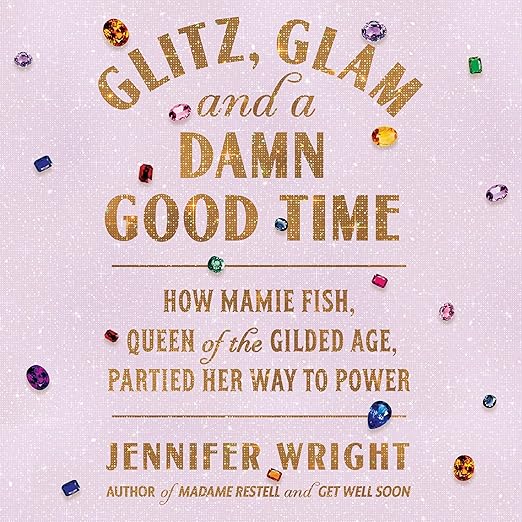
I started this one on a Tuesday evening when I needed something that would not ask too much of me and ended up listening past midnight without noticing. Jennifer Wright has a gift for making history feel inhabited rather than archived, and Mamie Fish, the Gilded Age hostess known as the Fun-Maker, turned out to be exactly the kind of subject I had no idea I needed. I knew almost nothing about Marion Graves Anthon Fish before pressing play. By the time Atkinson delivered the final chapter, I had filled a notes document with names I wanted to look up.
The audiobook version has a material advantage over the print edition here. Ashlie Atkinson plays Mamie Fish in the television series The Gilded Age, and that specificity is audible in every scene. She does not perform the text the way a hired narrator might. She inhabits it the way someone does when they have already lived with a character for months. One reviewer noted plainly that the audio is by far the best thing about the book, and while I would not go that far, I understand the feeling. Atkinson’s comic timing during the party anecdotes is sharper than anything a straight reading could deliver.
Our Take on Glitz, Glam, and a Damn Good Time
Wright’s central argument is that Mamie Fish’s parties were not frivolous spectacles but rather a sophisticated exercise of power in a world that formally denied women access to it. In an era when women could not own property or vote, the ability to convene the right people in the same room and direct the conversation was genuine influence. The lavish decor, the large animal guest stars, the pranks and the chaos were not just entertainment; they were Mamie’s way of operating at Volume 10 in a society that expected women to stay at a quiet three. Wright draws that line clearly without losing the fun of the material.
The book does have a structural tension that some reviewers have flagged. Not all of it is strictly about Mamie Fish. Wright uses Fish as a lens for examining the broader culture of Gilded Age social performance, which means sections of the book move into territory that feels more like history essay than biography. If you come expecting a close character study of Mamie herself, you may occasionally wish Wright would pull back from the panorama and return to her subject. But as a piece of cultural history, this is engaging and well-researched.
Why Listen to Glitz, Glam, and a Damn Good Time
This is a book that benefits enormously from the audio format. Wright writes in a conversational register that reads quickly on the page but lands even better when spoken, and Atkinson has the pacing and instinct to make the comic moments land without overselling them. The scene-setting for Mamie’s parties, the guest list machinations, the social snubs and comebacks, all of this is the kind of material that wants a voice behind it. Listeners who have watched The Gilded Age series will also hear a different layer in the narration, a familiarity with the character’s rhythms that enriches even the non-party chapters.
What to Watch For in Glitz, Glam, and a Damn Good Time
One fair criticism from the print edition is the absence of illustrations. In audio format this is irrelevant, but it is worth noting that Wright’s writing compensates well through description. She builds Mamie’s homes, her Newport estate, her table arrangements and her guest selections with enough specificity that you form a clear visual picture. The pacing does slow in the more analytical middle chapters when Wright steps back to contextualize women’s political position in the Gilded Age. These sections are important but feel less energized than the party scenes that surround them.
Who Should Listen to Glitz, Glam, and a Damn Good Time
Ideal for listeners who enjoyed The Gilded Age or similar historical drama, who have read Wright’s previous work on Madame Restell or Get Well Soon, or who are interested in women’s history through an unconventional entry point. Also well suited for anyone who wants history that takes pleasure in its subject without apologizing for it. Skip it if you want a strict academic biography or if you need a book that stays tightly focused on a single figure without digression. Readers expecting extensive illustration of the period will be better served elsewhere.
Frequently Asked Questions
Do you need to know The Gilded Age TV series to appreciate the narration?
No, but it adds a layer. Ashlie Atkinson’s performance stands on its own merits as a reading. Familiarity with the series gives you an additional sense of why her voice and delivery feel so specific to the character, but the audiobook works without that context.
Is this primarily a biography of Mamie Fish or a broader social history?
It leans toward cultural history. Fish is the central figure and lens, but Wright uses her story to examine how elite women exercised power in the Gilded Age more broadly. Some chapters move away from Fish for extended periods.
How does Jennifer Wright’s writing style translate to audio?
Very well. Wright writes conversationally with strong comic instincts, and Atkinson’s pacing matches that tone. The audio version is arguably the intended format for this book.
Is the 8-hour and 51-minute runtime well paced throughout?
Mostly. The party scenes and character chapters move quickly. The more analytical sections on women’s legal status and political context slow down somewhat, but they are not long enough to derail the overall momentum.