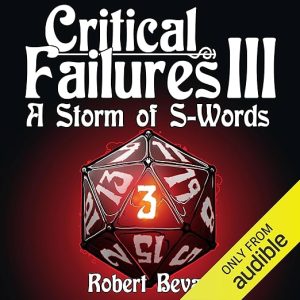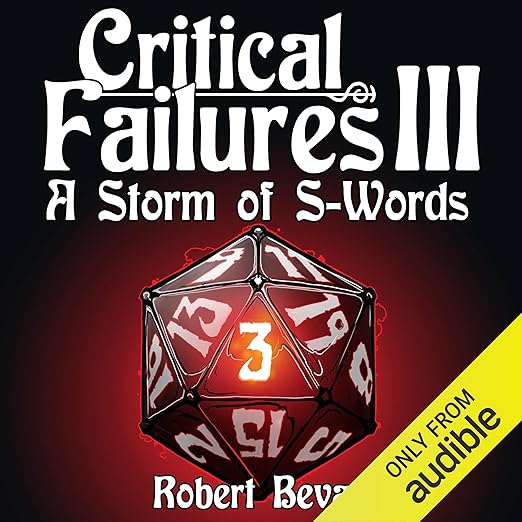
Robert Bevan's Caverns and Creatures series has never pretended to be dignified, and Critical Failures III is an audiobook that wears that lack of dignity as a badge of honor. Tim and the gang are back in Gulf Coast Mississippi, dragging trouble along with them like a cursed loot drop, and the absurdity only escalates from there. A gnome. An undead midget. The kind of chaos that can only happen when tabletop RPG logic collides with the real world and nobody involved has the sense to stop pushing. If you've been following this series, that description will tell you exactly whether this book is for you. If you haven't, the answer is: start at book one first.
If you've made it this far into the Caverns and Creatures series, you already know what you're signing up for, and Bevan makes sure to deliver. He writes comedy that doesn't flinch from crude language or escalating nonsense, and the third volume doubles down on both. One reviewer described the experience as D&D meets a little pop culture and beer, which is accurate enough that you could put it on the box. The writing keeps a pace that rarely lets the listener breathe, which is both its greatest strength and the thing that occasionally costs it depth. Every chapter delivers action or a laugh, often both, and Bevan clearly has a gift for comedic construction even when the material gets deliberately lowbrow. The Mississippi setting gives this volume a slightly different flavor than earlier books, grounding the fantasy absurdity in a recognizable geography before promptly detonating it.
Where Bevan is most interesting as a comedy writer is in his ability to generate laughs from the friction between real-world rules and RPG logic. Characters don't just exist in the real world with D&D stats, they have to navigate the consequences of those stats with real-world social expectations, and the collision is where Bevan finds most of his best material. That premise hasn't worn out by volume three, though a more careful reviewer might argue it's getting closer to its natural ceiling.
Why Listen to Critical Failures III
Jonathan Sleep's narration is a significant reason to go the audio route with this series rather than print. Comedy in prose relies on timing, and Sleep understands the rhythm of Bevan's jokes well enough to milk them without overplaying. He differentiates the ensemble cast cleanly, which matters more than it might seem in a series where multiple characters argue and banter constantly and the dialogue moves fast. The audiobook format also softens the rough edges of the crude humor slightly, giving the profanity a more natural, conversational flow than it reads on the page. One reviewer noted that the foul language and edgy content wouldn't be the same without it, and Sleep commits to that register without making it feel performative or self-conscious. At seven and a half hours, the pacing is relentless, and listeners who like their comedy delivered at pace will find this hits the right rhythm throughout.
Sleep's strength with this material is that he treats the absurdist premise seriously within the comic frame. He doesn't wink at the audience or telegraph the joke before it arrives. Bevan's comedy benefits from that kind of earnest commitment, and the narration keeps the series from tipping into self-parody even when the content is pushing in that direction.
What to Watch For in Critical Failures III
The honest caveat about this third book is that it shows the seams a little more than its predecessors. A reviewer who was enthusiastic about the first two titles noted the series was losing steam here, pointing to a shift in direction that feels less focused than the opening volumes. The explicit content has increased, and while Bevan's defenders argue it's part of the series DNA, others will find that the ratio of crude humor to actual comic invention tilts in this volume. The good news is that the ending reportedly steers back toward what made the earlier books work, suggesting Bevan corrected course before the credits roll. For the right audience, these are not dealbreakers, but they're worth knowing going in rather than being surprised by.
Since this is book three in a running series, new listeners who drop in cold will likely miss context that makes character callbacks land. The gnome subplot and the undead midget element both benefit from prior investment in who these people are and what the rules of the Caverns and Creatures world look like when applied to everyday Southern American geography. This is not a volume that welcomes first-time listeners, and it isn't trying to.
Who Should Listen to Critical Failures III
Series fans who've followed Tim and the gang from the beginning will get the most out of this volume. If you loved the first two Caverns and Creatures books, the third continues the core appeal even if it isn't quite the peak of the series. Fans of tabletop RPG humor, particularly the kind that weaponizes genre conventions for comedic effect, will find plenty to enjoy across the runtime. Adults who can tolerate, or actively enjoy, foul language and adult content in their comedy should feel at home here. The humor is adult in the full sense, and the series makes no apologies for that.
New listeners should start at book one. The series builds on its own running jokes and character dynamics in ways that don't translate well if you jump in mid-series, and Critical Failures III is too far in to function as a stand-alone entry point. If RPG parody, crude humor, and fast-paced comedic chaos aren't your thing in general, this audiobook won't convert you, but for those who already enjoy the genre, Sleep and Bevan make a reliable team.
Quick Take
- Read by: Jonathan Sleep handles the chaotic ensemble of Tim and the Caverns and Creatures gang with sharp comedic timing, differentiating the foul-mouthed cast cleanly across seven and a half hours.
- At its heart: Tabletop RPG parody, crude adult humor, friendship under absurd duress
- Vibe: Loud, irreverent, and relentlessly fast-paced
- Short version: Robert Bevan's third installment delivers exactly what series fans want, though newcomers should absolutely start at book one and be prepared for escalating crude content.