At a Glance
- Narration: Tom Brooks delivers the material with the confident, forward-moving energy the subject requires, keeping the instructional content from feeling like a bullet-point list read aloud.
- Themes: AI-powered business automation, income diversification, digital product creation
- Mood: Fast-paced and optimistic, with a systems-thinking underpinning beneath the hustle-culture exterior
- Verdict: Wineberg's 2-in-1 framework is more structured than its title suggests, and listeners who engage with it as a business design manual rather than a get-rich-quick guide will extract more durable value.
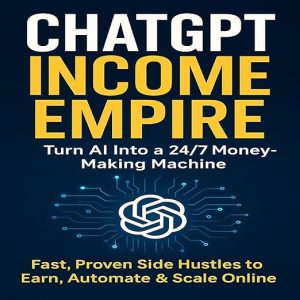
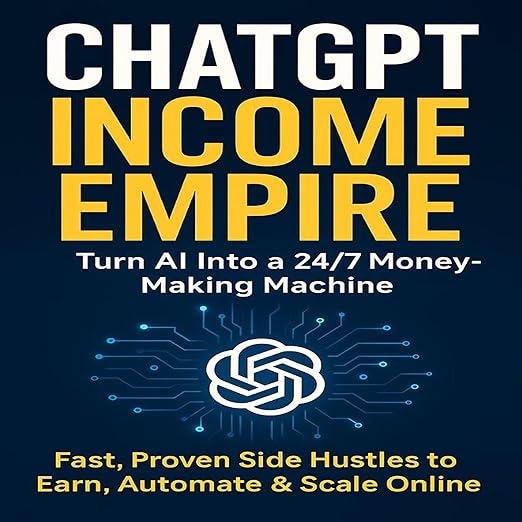
ChatGPT as a business infrastructure tool rather than a novelty is the actual subject of Charlie Wineberg's audiobook ChatGPT Income Empire, and that distinction matters more than the title implies. Wineberg packages two frameworks, AI Side Hustles and ChatGPT Money Machine, into a single 6.5-hour listen that moves from initial setup through scaling into what the author describes as a 24/7 income machine. The language is maximalist in places, but the underlying argument is more methodical than the cover copy suggests: that AI tools can function as operational infrastructure for solopreneurs and small digital businesses, and that building systems around them produces more durable income than treating them as a productivity shortcut.
As a 2-in-1 guide, the audiobook covers a wider surface than a more focused treatment might. That breadth serves listeners who are genuinely starting from scratch and need orientation across the landscape of AI-powered income opportunities. It serves less well for someone who has already built an AI-adjacent business and wants surgical depth on a specific problem. The promise of the structure is a progression from initial income generation through automation and eventually into scale, and the framework that Wineberg calls the five pillars of his approach, survive, automate, leverage, and expand, provides genuine scaffolding for that progression.
The audiobook opens with a direct value proposition: turn ChatGPT into a digital workforce that generates income without requiring your constant presence. Wineberg is not subtle about the ambition. But embedded within the promotional register is a substantive argument about the specific things AI tools can and cannot replace in a service or content business. The prompt engineering sections, the SEO and content automation workflows, and the digital product creation frameworks are the most durable sections of the audiobook. The passive income framing is inevitably more aspirational than the practical content that follows it, but the practical content is real.
The SEO and Amazon optimization tactics that Wineberg includes are among the more concrete contributions of the audiobook. These are not vague exhortations to rank better. They are specific to the kinds of AI-generated content businesses that the book is aimed at, and they reflect the particular challenges of building discoverability in a content landscape that is increasingly saturated with AI-assisted material. Whether these tactics will age as well as the book's broader framework remains to be seen, but they are current and specific rather than generic.
Tom Brooks Turns 6.5 Hours Into a Conversation
Tom Brooks narrates with enough energy and forward momentum to make 6.5 hours of instructional content feel more like an engaged conversation than a textbook reading. The material is dense with specifics, and an uninvested narration would make those specifics feel interminable. Brooks treats the content with the seriousness it requires while maintaining the optimistic energy that suits the book's orientation toward possibility rather than caution. The two-part structure means there is a natural pause point at the midway mark, which gives listeners a natural opportunity to process the first framework before moving into the second.
The audio format serves this kind of business instructional content reasonably well, though listeners will benefit from treating the listen as an active exercise rather than passive absorption. Specific prompt templates, workflow structures, and optimization tactics are things you will want to return to, and the audiobook works best when treated as an orientation to be followed up with the author's specific resources rather than a complete self-contained manual. The lack of listener reviews makes it difficult to triangulate real-world results from other implementors, but the framework itself is internally consistent and coherent.
Fast-Result Marketing Meets Real Setup Time
The audiobook's most significant limitation is one endemic to the AI tools space: the pace at which these platforms change their features, pricing, and capabilities means that some specific tactical advice will date faster than the broader strategic framework. Wineberg's argument about AI as operational infrastructure is durable. His specific recommendations about particular platform features or optimization tactics may require verification against current platform behavior at the time of listening.
The title and opening language position this as a fast-result, low-effort opportunity. That framing requires some calibration from the listener. The actual content describes systems that require meaningful setup time, learning curves on prompt engineering, and genuine business design work to implement properly. Listeners who expect the book to hand them a passive income stream without significant initial investment of time and learning will be disappointed. Listeners who treat it as a structured introduction to building AI-powered business systems will find the framework more applicable than the promotional framing suggests.
Solopreneurs Doing Everything Manually Get the Most
Solopreneurs, content creators, and service businesses that are currently operating at the level of doing everything manually will find the most direct value here. Wineberg's core argument, that systems running on AI tools can handle a significant portion of the operational overhead in a small digital business, is targeted at people who are currently substituting personal time for infrastructure they cannot yet afford. The digital product creation, SEO automation, and service packaging frameworks are relevant to that specific situation.
Listeners who are already running sophisticated AI-integrated businesses will find the content introductory. Those who are looking for deep technical implementation guidance rather than strategic framing will need to supplement with more specific resources. The audiobook is strongest as an orientation document and a systems-thinking framework rather than a step-by-step technical manual. For listeners encountering AI business design for the first time, it provides a clear, organized starting point for building something that actually runs.
Before You Listen
Does Tom Brooks's narration of the audiobook keep the instructional content engaging across 6.5 hours?
Brooks brings enough forward energy and engaged delivery to keep dense instructional material moving without it feeling like a recitation. The 2-in-1 structure provides a natural break at the midpoint, which helps with the full-length listen. Reviewers have not yet weighed in specifically on his performance, but the narration suits the material's optimistic and practical tone.
How quickly will the specific ChatGPT tactics in this audiobook become outdated?
This is a genuine concern with any AI tools audiobook. The broader strategic framework around building AI-powered business systems is durable. Specific platform features, optimization tactics, and workflow recommendations tied to particular ChatGPT capabilities will require verification against current platform behavior, since the AI tools space changes significantly faster than most business audiobooks go through editions.
Does the audiobook deliver on its promise of passive income, or is significant upfront work required?
Significant upfront work is required. The book describes systems that need to be designed, built, and tested before they operate independently. The prompt engineering, digital product creation, and SEO automation workflows all involve real setup investment. Listeners who approach it as a business design framework rather than an instant-results playbook will find the content more applicable and more honest than the promotional framing initially suggests.