In Brief
- Narrator: The author and narrator fields carry one name, so the material is delivered by the person who wrote it, and the listing offers no account of how the set plays.
- Subjects: Observational comedy about domestic trivia, physical humor, butterflies, show horses, greeting cards.
- Tone: Light, quick, over before you settle.
- Bottom line: Fifty-four minutes of low-stakes observational comedy with almost no listener evidence attached, so buy it on the strength of the performer.
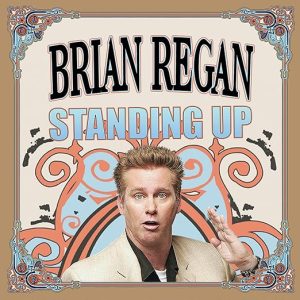
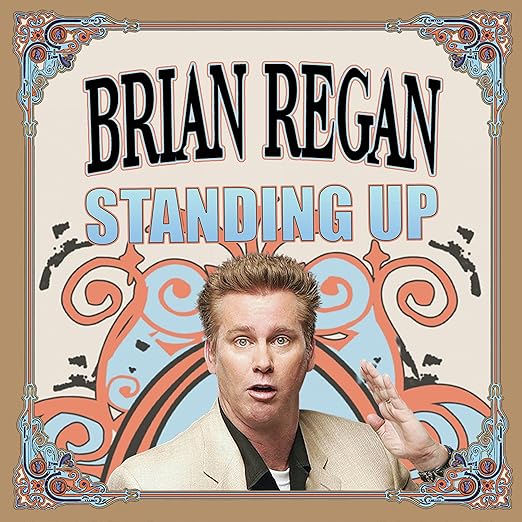
Fifty-four minutes is the whole of it, which puts Brian Regan: Standing Up much closer to a comedy record than to anything most people mean by an audiobook. The author field and the narrator field carry the same name, the publisher is a comedy label rather than an audio house, and the tag on this listing reads Performing Arts. All of the metadata points at a performance rather than a text, and the one-line description agrees: wry observations and physical humor, aimed at butterflies, show horses and greeting cards.
Wry Comedy Survives a Microphone, Physical Doesn't
Three subjects are named and all three are deliberately trivial. Butterflies. Show horses. Greeting cards. Nothing topical, nothing political, nothing that will date the way a 2022 release about current affairs would already have dated. That is a meaningful signal about the kind of comedy on offer here: the observational tradition that finds its material in things everybody has looked at without thinking, then refuses to let them go until the ordinariness becomes absurd. Two of those three are human inventions rather than natural facts, which points at a set built on bemusement at what people arrange for themselves rather than on complaint about what happens to them.
The description calls the humor both wry and physical, and that pairing is the interesting tension in an audio-only release. Wry survives a microphone perfectly. Physical comedy is by definition something you look at, and a listener gets whatever survives in breath, timing and the change in a voice when a body is doing something the ear can only infer. Buyers should know that going in, not because it disqualifies the recording but because the description itself sets that expectation and then cannot meet half of it.
What the runtime tells you is that this is one set rather than a career retrospective. That is about the length of a single evening's material, which shapes how you will use it: one sitting, probably one journey, unlikely to be rationed across a week. It also shapes the value question, since an hour of comedy and a long novel occupy very different places on a shelf and are rarely priced as though they do.
Why a Greeting Card Joke Works by Ear
Observational comedy is the format that travels best without pictures, and the three named subjects are exactly the sort that work by ear. A joke about a greeting card depends entirely on the wording of the card and the pause before the punchline, both of which are sound. A joke about a show horse depends on the ridiculousness of an entire human institution, which is a matter of description rather than of sight. On the evidence of what the listing promises, most of this material is in the right medium.
Cleanliness is worth stating plainly, since the description offers no content advisory and the three named topics are as inoffensive as comedy subjects come. Nothing here signals a set built on shock or on adult material, and the word the description reaches for first is wry, which points at understatement rather than at confrontation. That makes it one of the few comedy releases you can put on with a mixed-age car full of people without auditioning it first, although the listing itself gives no age guidance at all and I would not treat the absence of a warning as the presence of a rating.
Self-performance is not a decorative detail here. On a novel, an author reading their own work is a choice with tradeoffs. On a stand-up set the performer is the material, since the timing, the pauses and the escalation are not separable from the writing in any meaningful way. Whatever else this recording is, it is the primary artifact rather than an adaptation of one, and comedy released through a record label was produced to be listened to rather than converted into listening after the fact.
One Rating Is the Only Evidence Here
Physical humor is the declared risk, and the declaration comes from the publisher rather than from any critic. A description that advertises physicality on a product with no picture is telling you that some proportion of the original performance is not in the box. How large that proportion is depends entirely on how much of the act lives in gesture, and nobody has left a written word on this page to tell you.
That data vacuum is the real caveat. One rating, five stars, and no written review at all, on a listing dated January 2022. For most books a thin pool is an inconvenience; for stand-up it removes the only evidence that matters, because comedy is the one form where other people's reactions are genuinely diagnostic. You cannot tell from a description whether jokes land, and here nobody has volunteered.
Repeat value is the last thing to weigh. Prose rewards a second pass; a punchline usually does not, and a set you have heard once is a set whose shape you now know. Anyone building a library for long drives should factor that in, because comedy is bought by the hour and consumed considerably faster than the runtime suggests.
Sample the Opening Minutes Before You Commit
Comedy listeners who already know this performer's work need no further argument from me, and the three named subjects will read as a promise rather than a warning. Beyond that, it suits anyone who wants a short, clean, low-commitment listen for a single journey, and anyone who prefers observational material about ordinary objects to comedy built on confession or on the news cycle. The scale of the thing also makes it an inexpensive way to find out whether a performer is for you at all, which is not true of a comedian met through a long memoir.
Buyers who need evidence before spending should hesitate. A listing with one rating and no written responses gives you nothing to check the description against, and the description runs to a single sentence. If you are unfamiliar with the performer, find a sample first, because the metadata here supports almost no inference beyond the length and the format.
Value at this runtime comes down to how much you already trust the name on the cover. Under an hour of clean observational comedy is a good thing to have on hand and a slight thing to pay full price for, and with nobody having written a word here, that question is yours alone to settle. Sample the opening minutes; a stand-up set announces itself faster than any other form on the shelf.