In Brief
- Narration: Matilda delivers a clear, no-frills reading suited to procedural certification content, with little room or need for interpretive performance.
- Themes: Emergency resuscitation, BLS certification, clinical algorithms
- Mood: Brisk and procedural, built for active study rather than passive listening
- Verdict: A useful, portable companion to an active BLS course, not a standalone substitute for certification training.
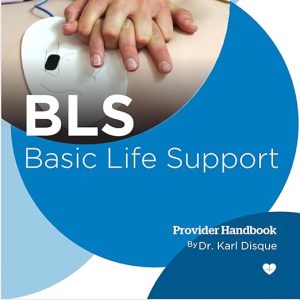
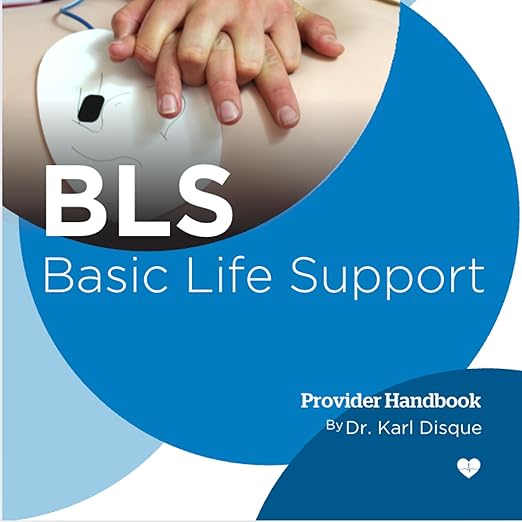
Can a forty-seven-minute audiobook actually prepare you for a Basic Life Support certification exam? On its own, no, and this handbook does not pretend otherwise; it is built specifically as companion material for an active BLS Certification or Recertification course, not a standalone crash course in emergency resuscitation. Advanced Medical Certification's Basic Life Support (BLS) Provider Handbook, credited to Dr. Karl Disque and narrated here by a performer listed simply as Matilda, covers adult and pediatric BLS instruction, AED usage, airway obstruction response, rescue breathing technique, and the specific clinical algorithms the course itself is built around, based on the 2020-2025 guidelines published by the International Liaison Committee on Resuscitation.
Separate Protocols for Adult and Pediatric BLS
The handbook's actual content is exactly as advertised: dense, procedural, and organized around the specific algorithms a certification exam will test rather than general first-aid philosophy. Adult and pediatric BLS instruction get separate, specific treatment rather than being collapsed into a single generalized protocol, a distinction that matters clinically since compression depth, rate, and rescue-breathing ratios differ meaningfully between the two populations. AED usage and airway obstruction response round out the core material, and the handbook explicitly serves double duty, primary training material during an active course, and a standing reference for working healthcare professionals afterward. That second use case is worth taking seriously; a forty-seven-minute audio refresher is a genuinely practical format for a working nurse or EMT wanting to review algorithm steps before a shift or recertification date, in a way a full textbook read-through is not.
It is worth understanding why algorithm-based training specifically, rather than general first-aid instinct, is the whole point of a BLS course in the first place. The compression-to-breath ratios, the specific sequence of checking responsiveness, calling for help, and beginning compressions, the exact depth and rate targets, are not arbitrary; they reflect research-backed guidelines from bodies like the International Liaison Committee on Resuscitation designed to maximize survival odds during the specific window before advanced care arrives. A handbook built around reciting those algorithms clearly, rather than around broader emergency-response philosophy, is doing exactly what a certification course needs from supplementary material: reinforcing the precise sequence a provider needs to execute correctly and quickly, under real stress, without hesitating to reconstruct the steps from first principles.
Repetition Turns Steps Into Muscle Memory
The strongest case for this specific audiobook, over simply reading the print handbook, is pure portability for exactly the kind of professional it targets: someone already enrolled in a BLS course who needs a fast, repeatable review they can run through during a commute rather than sitting down with a physical manual again. Reviewer Larry R. Brown Jr. highlights a detail that captures the book's actual pedagogical value well, its explanation of the reasoning behind each step, framed around the phrase 'Life is Why,' rather than simply listing procedures to memorize by rote. That distinction between rote memorization and understanding the clinical logic behind compression depth or rescue-breathing timing is exactly what separates a handbook that helps you pass a written exam from one that helps you actually perform correctly under real pressure.
Reviewer Richard J. Estep's description of the handbook as a decent 'just the facts, ma'am' review of guidelines, significantly shorter and cheaper than the official AHA text, is a fair summary of the whole format's value proposition. This is not meant to replace comprehensive coursework or the official guideline documents themselves; it exists specifically for candidates who want the high points reinforced efficiently before a class or exam, or who want a fast refresher before a recertification date without re-purchasing or re-reading a full official manual.
Repetition specifically is where an audio format has a real, underused advantage for procedural medical content like this. Compression rates, rescue-breathing ratios, and AED sequencing are the kind of information that benefits from being heard multiple times in the exact same phrasing until it becomes close to automatic, closer to muscle memory than conscious recall, and a forty-seven-minute audio loop is far easier to run through repeatedly during downtime than re-reading the same handbook pages again and again.
This Audiobook Rewards Active, Attentive Listening
Forty-seven minutes is genuinely brief for certification material, and this should be understood as a supplement to an active course rather than a substitute for one; the handbook frames itself this way, and reviewer Zeppra's account of using it specifically to prepare for an EMT class, alongside required coursework rather than instead of it, reflects the realistic use case. Worth flagging honestly: reviewer Richard J. Estep's four-star review references 'current (2015) AHA BLS guidelines,' while this listing's own synopsis cites 2020-2025 guidelines from the International Liaison Committee on Resuscitation specifically. That gap likely reflects an older review left attached to an updated edition of the handbook rather than any error in the current audio content itself, but it is worth double-checking you have the most current guideline version if exact currency matters for your specific certification requirements.
The narrator, credited only as Matilda with no surname given in the listing, delivers the material in a clear, no-frills register appropriate to procedural certification content; little room exists for interpretive performance in an algorithm-driven handbook like this one, and a straightforward, well-paced reading is genuinely what the format calls for. Given the extreme brevity and the dense procedural content, this is not a book designed for passive background listening at all; it rewards active attention, likely paused and replayed section by section, closer to how you would actually use a reference card than how you would listen to a narrative audiobook.
Meant for Students Already Enrolled in BLS
This audiobook belongs in the hands of healthcare professionals and students currently enrolled in, or about to start, a Basic Life Support Certification or Recertification course, exactly the audience the handbook names directly. Reviewer Zeppra's straightforward account of needing it specifically to get into EMT class is the clearest use case here: a fast, portable way to arrive at in-person coursework already familiar with the core algorithms, so class time can focus on hands-on practice rather than first exposure to the material. Working nurses, EMTs, and other certified providers due for recertification will also find genuine value in it as a quick pre-renewal refresher.
Skip this one if you are a member of the general public looking for comprehensive CPR or first-aid education outside a formal certification pathway; at forty-seven minutes and written explicitly for course participants, it assumes a level of context an untrained listener will not have. It is also not the right choice if guideline currency is critical for your specific recertification and you have not confirmed which edition's algorithms are reflected in this particular audio release, given the version discrepancy visible in the attached reviews; when in doubt, verify directly against your certifying body's current standard before relying on this as your sole reference.
Can this audiobook replace an in-person BLS certification course?
No, it is designed as companion and review material for an active BLS Certification or Recertification course, not a substitute for hands-on training.
Is the audiobook long enough to cover everything needed for BLS certification?
At forty-seven minutes, it covers core algorithms efficiently but works best as a fast review layered onto full coursework rather than a complete standalone resource.
Does this audiobook reflect the most current BLS guidelines?
The synopsis cites 2020-2025 guidelines from the International Liaison Committee on Resuscitation, though one attached review references older 2015 AHA guidelines, so confirming currency against your certifying body is worth doing.
Who is the narrator Matilda, and is the audiobook professionally produced?
The listing credits only a first name, Matilda, with no additional narrator background provided, though the reading itself is clear and appropriately paced for procedural content.