Quick Take
- Narration: Jada Pinkett Smith reads her own memoir with intimacy and deliberate vulnerability, and the self-narration is inseparable from the book’s emotional impact.
- Themes: self-worth and identity, the cost of celebrity marriage, surviving trauma from childhood through public scrutiny
- Mood: Candid and searching, with the quality of a very long, honest conversation
- Verdict: A memoir that earns its emotional weight through specificity and courage, regardless of what you think about the circumstances surrounding its publication.
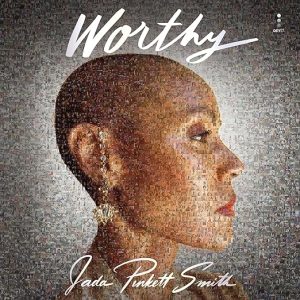
Worthy arrived in the middle of a media cycle that had been running Jada Pinkett Smith’s name through every possible narrative for years. The slap at the Academy Awards, the marriage revelations, the speculation. I came to the audiobook aware of all of it, and I made a deliberate decision to treat the book as what it actually is: a memoir by a woman who built a significant life and career and wants to account for it in her own words. That frame turned out to be the right one.
The book covers ground that is genuinely surprising. Pinkett Smith’s childhood in Baltimore, growing up with parents who were both addicted to drugs, her own involvement in the drug trade as a teenager, her relationship with Tupac Shakur and the grief of his death, her move to Los Angeles and the career she built before and after meeting Will Smith. Reviewer EDJ, who grew up in Australia and found the Baltimore chapters entirely foreign to her experience, described being "surprised time and again" by the material. That is the right response. Pinkett Smith’s early life is not the Hollywood origin story that a PR-managed biography would construct.
Our Take on Worthy
What separates this from the genre of celebrity memoir is the psychological depth. Pinkett Smith is not cataloging achievements and name-dropping collaborators. She is doing something more uncomfortable: tracing how early trauma created the patterns that shaped her adult life, her marriage, her parenting, her professional decisions. The suicidal depression she discusses is presented without romanticization. The "slap" is addressed, though with a restraint that some readers found insufficient and others found appropriate. Her account of the marriage as a relationship that had functionally ended before the public crisis arrives late enough in the book that it lands differently than it would have as a standalone disclosure.
Reviewer Larry L., who made a conscious effort to read without bias, concluded that the book was "very well written" regardless of his pre-existing feelings about the subject. The writing prompts and meditations included throughout signal that Pinkett Smith intends this as a practical document as well as a personal one, a book that invites readers to examine their own relationship with self-worth alongside her account of reconstructing hers.
Why Listen to Worthy
Self-narrated memoirs succeed when the author brings something irreplaceable, and Pinkett Smith does. She knows which words to hold and which to let go. The Baltimore chapters in particular have a quality of witnessed testimony that a professional narrator could approximate but not replicate. Reviewer Keri A. Zarysky described the book as "brave," and the self-narration is part of what makes it feel that way. You are not receiving this story through an intermediary. You are receiving it as close to the source as audio allows.
At nearly fifteen hours, this is a long listening commitment, and Pinkett Smith sustains the intimate quality throughout. The book does not flag in its second half the way many celebrity memoirs do when they move from formative years into the more publicly documented middle period. The writing remains specific and the narration remains engaged, which is not easy to maintain across that length.
What to Watch For in Worthy
The book includes thought-provoking writing prompts and meditations, which are read aloud in the audiobook. These work well for some listeners as invitations to active reflection, and may feel interruptive to others who are listening primarily for narrative. They are a consistent feature rather than an occasional addition, so knowing they are there is useful preparation.
Listeners who come to Worthy specifically looking for an extended account of the Will Smith marriage and the Academy Awards incident will find those subjects addressed but not at the length the surrounding media coverage might suggest. Pinkett Smith uses those events as part of a larger story rather than as its climax. That is a structurally sound choice, but it may disappoint readers whose primary interest is the tabloid timeline rather than the psychological journey.
Who Should Listen to Worthy
Listeners who appreciate memoirs that use personal history to examine questions of identity, self-worth, and the cost of performing a public self will find this genuinely rewarding. The celebrity context is real but not the point. Listeners who want celebrity access and Hollywood insider detail will find some of that here, though not as much as the marketing might imply. The book is recommended regardless of where you stand on the public controversies, provided you are willing to meet it as the memoir it actually is.
Frequently Asked Questions
How much of Worthy is about Will Smith, the slap, and the Smiths’ marriage?
Those subjects are present and addressed with honesty, but they are not the book’s primary focus. Pinkett Smith uses them as part of a larger examination of identity, self-worth, and what it costs to lose yourself in a marriage and public persona. Readers expecting a marriage exposé will find a more interior memoir.
What is the effect of the writing prompts and meditations included throughout the audiobook?
They are read aloud and integrated throughout the listening experience rather than grouped at the end. Listeners who approach the book as a self-examination exercise will find them useful; those listening primarily for narrative may find them interruptive. They are a consistent structural feature, not an occasional aside.
Does Jada Pinkett Smith’s self-narration add to or detract from the memoir’s emotional impact?
Most listeners found it essential. Reviewer Keri A. Zarysky called it brave, and the intimacy of hearing Pinkett Smith deliver her own account of childhood trauma, depression, and marriage dissolution is qualitatively different from what a professional narrator would provide. The performance is controlled but emotionally present throughout.
How does Worthy compare to other recent celebrity memoirs in depth and honesty?
It is notably deeper than most. The Baltimore childhood chapters covering parental addiction and teenage drug dealing are genuinely surprising in their candor. Reviewer EDJ compared it favorably to Britney Spears’ memoir in terms of depth and interest, finding Pinkett Smith’s account more psychologically developed.