Quick Take
- Narration: Alberto Santillán narrates the Spanish-language edition with the dry, deadpan authority the material requires, the joke works best when treated with complete seriousness.
- Themes: Satirical survival guide, zombie mythology and lore, disaster preparedness as dark comedy
- Mood: Straight-faced apocalyptic comedy, the humor lives entirely in the gap between the earnest format and the absurd subject matter
- Verdict: The Spanish-language audiobook of Max Brooks’s classic zombie satire, a title that works brilliantly in audio when the narration commits fully to the deadpan instructional register.
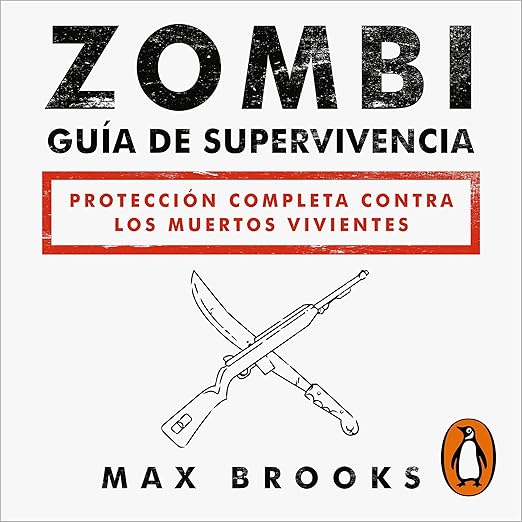
Important note before anything else: this is the Spanish-language edition of The Zombie Survival Guide, narrated by Alberto Santillán. The synopsis is entirely in Spanish, El manual de supervivencia imprescindible para estar preparado ante un ataque de muertos vivientes, and the available reviews are from Spanish-speaking listeners. This review addresses the audiobook as what it actually is rather than what the English-language metadata category might suggest.
Max Brooks published The Zombie Survival Guide in 2003, and it established a template that would eventually produce World War Z and a sustained cultural conversation about what zombie narratives reveal about collective anxieties around collapse, pandemic, and social breakdown. The book is a satire of the emergency preparedness manual genre, written with the same earnest, procedural seriousness as a real government disaster response guide and applied to an impossible premise. That structural joke is essentially the entire comedy engine, and it requires absolute commitment from everyone involved to work. Brooks delivers it in the text. Santillán, based on what reviewers describe, delivers it in the narration.
Por Qué Funciona en Audio, Why This Works Particularly Well When Heard
The Zombie Survival Guide’s comedy depends on a voice that treats its subject matter as completely real. In print, the visual design of a manual, the chapters, subsections, numbered lists, and tactical diagrams, carries part of the satirical weight. In audio, all of that structural humor has to be delivered through tone alone. This is a significant challenge, and it’s one that this Spanish edition handles well based on reviewer response. Santillán’s delivery, as perceived by listeners who describe the book as bastante amena and worthy of genuine preparedness confidence, is the straight-faced bureaucratic voice that the material demands.
Reviewer César CamBec highlighted the ataques registrados section as a particular standout, noting it could be a book in itself. This section is one of Brooks’s best inventions, a faux-historical appendix cataloguing zombie encounters across centuries of human history, presented with the same deadpan citation format as actual historical records. In audio, this section is where the narration has its most significant work to do, and the apparent success of Santillán’s performance in carrying it speaks well of the production overall.
The Ten Rules and Their Real Utility
Brooks’s ten maxims for zombie survival, from Organízate antes de que actúen through Quizás los zombis desaparezcan, pero la amenaza seguirá viva, are also, taken straight, a reasonable template for general emergency preparedness. This is not accidental. Part of Brooks’s satirical intelligence is that the survival advice is genuinely sound, applied to an impossible case. The rule about using bladed weapons that do not require loading, the principle of mobility over shelter, the emphasis on silence and awareness, these are real emergency management principles wearing a comedy costume. Reviewer Alex Fernando Piguave Zambrano noted that the book provides very good advice detailed by scenario, which is accurate even accounting for the zombie premise.
Who Should Listen and Who Should Skip
Listen if you are a Spanish-speaking listener who enjoys genre-aware dark comedy with genuine entertainment value, or if you are at an advanced level of Spanish study and want content that combines humor with the procedural register of instructional writing. The dry comedy of the recorded attacks appendix is particularly well-suited to audio. Skip if you are looking for the English-language version of this title, as this is a separate production entirely. Also skip if you expect a straight emergency preparedness guide, this is first and foremost a comedy that happens to contain useful principles, and listeners who come to it without that framing will find it baffling rather than illuminating.
Frequently Asked Questions
Is this the English-language version of The Zombie Survival Guide?
No. This is the Spanish-language edition, narrated by Alberto Santillán. The synopsis and all available reviews are in Spanish. If you are looking for the English-language audiobook, this is a different production and you should search specifically for the English edition on Audible.
Is this book actually useful for real emergency preparedness, or is it pure comedy?
Both, simultaneously. Brooks’s satire works by applying genuinely sound emergency management principles to the impossible premise of a zombie outbreak. The rules about situational awareness, mobility, improvised tools, and community organization are legitimately transferable. The comedy lives in the premise, not in the advice.
Does Alberto Santillán’s narration treat the material as comedy or as straight survival guidance?
Based on reviewer response, Santillán delivers the material with the straight-faced seriousness that the format demands, narrating a survival manual rather than performing a joke. The comedy of the book depends entirely on this approach, and Spanish-language reviewers describe the result as an enjoyable, convincing listen.
Can I listen to this audiobook if my Spanish is intermediate rather than fluent?
The procedural, instructional register of the text uses relatively consistent vocabulary and clear sentence structures, which can make it more accessible than narrative fiction for intermediate learners. However, the humor and the historical appendix section are more idiomatically dependent, and some of the comedy will require a stronger command of Spanish to land fully.