Quick Take
- Narration: Coleen Marlo brings warmth and professional steadiness to dense informational content, her tone is exactly right for a guidebook that parents may be hearing under stress.
- Themes: Family support, adolescent identity formation, medical and social navigation for transgender youth
- Mood: Informative and compassionate, occasionally dense with terminology but consistently humane
- Verdict: One of the more comprehensive and accessible guides available for families navigating gender identity with a teenager, research-grounded and practically oriented.
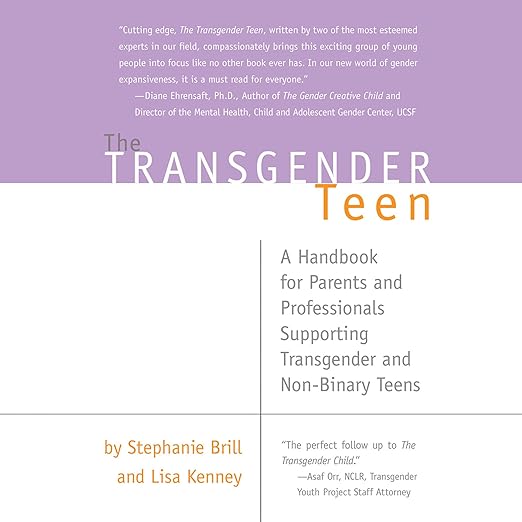
I picked up The Transgender Teen at the recommendation of a colleague who runs support groups for parents of LGBTQ+ adolescents. She described it as the book she hands to parents at their first meeting, the one that gives them enough vocabulary and context to begin conversations rather than shutting them down out of confusion or fear. That framing turned out to be accurate. Stephanie A. Brill, who brings years of direct clinical experience to this material, has written something that treats its primary audience, parents, with intelligence and compassion in equal measure.
The book opens by confronting the question its subtitle implies: is this a phase, a fad, or a real issue? Brill’s answer is nuanced rather than defensive. She does not dismiss parental uncertainty; she contextualizes it. The extensive research she cites, combined with personal interviews with transgender teens and their families, gives the book an empirical grounding that makes it useful to healthcare professionals and entirely comprehensible to parents who have never encountered this territory before. That dual accessibility is a real achievement.
Our Take on The Transgender Teen
The content covers a wide range: physical and emotional development during adolescence, social and school pressures that transgender teens face, medical options including puberty suppression and hormone therapy, family communication strategies, and advocacy resources for college and career pathways. At nine and a half hours, the scope justifies the runtime. One reviewer, a doctoral-level mental health therapist who works with trans teens, described the book as appropriate for both healthcare workers and those without a healthcare background. That assessment is precise. Brill calibrates her explanations carefully, defining terms as she introduces them and building the reader’s vocabulary incrementally.
The section on gender diversity terminology is the part most reviewers mention as demanding. The landscape of language around gender identity has evolved rapidly, and the sheer range of terms can feel overwhelming to someone encountering them for the first time. Brill does her best to organize this material, but the density is real, and one reviewer described the first half as fairly choppy. That is a fair characterization of the early chapters specifically, the book becomes more cohesive as it moves from classification into practical guidance.
Why Listen to The Transgender Teen
Coleen Marlo’s narration is an asset. Her voice is warm without being artificially soft, professional without being clinical. For a book that many listeners will be encountering during emotionally charged moments, a parent who has just had a difficult conversation with their child, or a grandparent trying to understand before a family gathering, Marlo’s steadiness is genuinely supportive. She does not rush through the technical sections or linger sentimentally on the personal interviews. Her pacing is measured and trustworthy.
One reviewer described the book as a gift for the ignorant as well as the professionals, and the phrase captures something real. The range of people who need this information is wide, and the book’s willingness to start from the beginning without condescension is what makes it work across that range. The talking points it provides for initiating conversations with teenagers are particularly useful, several reviewers specifically called out those sections as immediately applicable.
What to Watch For in The Transgender Teen
The book was published in 2016, and some of the medical guidance, particularly around puberty blockers and hormone therapy, reflects the state of clinical knowledge and practice from that period. The field has continued to evolve, and some of the specific medical recommendations should be verified with current clinical standards before acting on them. The broader frameworks, how to support, how to communicate, how to advocate, remain sound, but the medical specifics warrant a current consultation with a pediatric endocrinologist or gender-affirming healthcare provider.
The book focuses primarily on the American educational and medical context. International listeners will need to adapt the advocacy and resource sections to their own systems, though the psychological and relational content is broadly applicable.
Who Should Listen to The Transgender Teen
Parents and family members of transgender or gender-questioning teenagers will find the most direct value here. School counselors, pediatricians, and youth workers will also benefit from the clinical framing. Transgender adults who navigated their adolescence without support may find certain sections moving or validating in retrospect. Readers who already have significant expertise in gender medicine or LGBTQ+ advocacy will find the foundational material familiar, though the family communication sections may offer useful framing for their own work with clients or students.
Frequently Asked Questions
Is this book appropriate for the transgender teen to read themselves, or is it written primarily for parents?
It is written primarily for parents and caregivers, though some sections on emotional development and identity would be meaningful for older teens as well. The framing throughout assumes an adult reader who is supporting rather than experiencing the journey firsthand.
How does Coleen Marlo’s narration handle the emotional weight of personal interviews in the book?
Marlo reads the interview material with empathy and restraint, neither overplaying the emotional content nor delivering it clinically. Her approach keeps the focus on the individuals’ experiences rather than the narrator’s response to them.
Given the 2016 publication date, is the medical information in The Transgender Teen still current?
The frameworks for family support, communication, and advocacy remain relevant. However, clinical guidelines around puberty suppression and hormone therapy have continued to evolve since 2016, and those specific sections should be cross-referenced with current pediatric and endocrinology guidelines before making medical decisions.
Does the book address the school environment and how parents can advocate for their child there?
Yes, school pressures receive dedicated coverage, including practical guidance on working with administrators, addressing bullying, and navigating policies around names, pronouns, and facilities. This is one of the more actionable sections for parents dealing with immediate school-based challenges.