The Short Version
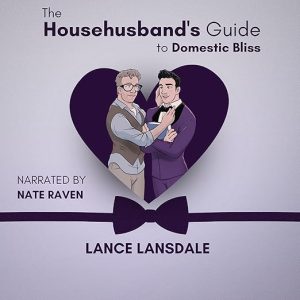
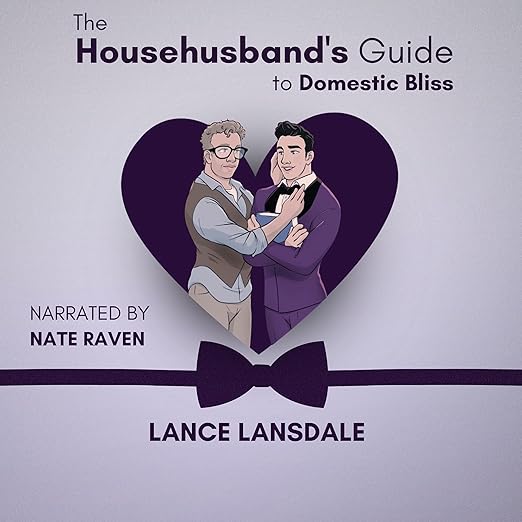
- Performance: Nate Raven is the credited reader on a dual point of view romance with a human and an automaton to keep apart.
- What it covers: manufactured companionship, loneliness and routine, personhood, slow-burn queer romance.
- Feel: warm and funny with genuinely sharp edges.
- Our call: a tender robot romance that is rougher than its marketing admits, and beloved by the readers who finish it.
Cozy is the word the publisher's own copy picks for this romance, and one of its warmest readers pushes back on it directly. The audiobook runs nine hours and fifty-eight minutes with Nate Raven credited as the reader, and every written response on the page went up in the spring of 2024, while the recording itself was released in February 2026.
Periwinkle the Robot Steals Every Reader's Heart
Arthur is a lonely librarian who has organized his life so that nothing can reach him. His brother Jared turns up in the middle of the night with an i-Series automaton, bought from Ms. Broussard's Home for Bountiful Beaus, where the custom-made models arrive trained in keeping a house tidy and a future husband happy, a phrase doing considerably more work than a comic line usually does. Cheerful to a fault, Periwinkle is precisely the person Arthur would never have chosen, and the mismatch is the whole engine of the first half.
Periwinkle is the reason this book gets written about. All five responses name him, three of them by nickname, and the descriptions cluster around the same qualities: sweetest character, innocent and wholehearted, charming with a hunger to please that grows into a push for maturity and independence. One reader singles out his dramatics as adorable. The robot, in other words, is doing the heavy lifting for the romance. Arthur's arc is the quieter one, and the copy describes it as somebody being stitched back together rather than swept away.
One reader offers a shorthand better than anything in the marketing copy, calling the setup a meeting between a famous suburban-conformity story and a famous robot-becoming-human one. That is exactly the register: a domestic comedy built on an unsettling premise, played mostly for warmth, with the premise occasionally showing its teeth. Another response notes a one-line callback to the author's earlier novel, so returning readers get a small reward newcomers will pass straight over.
Nate Raven Carries Both Halves of the Romance
Nate Raven holds the reading credit, and the copy advertises dual point of view, so the recording has to hold a withdrawn human and an eager automaton apart across ten hours without confusing which head you are in. That is the concrete demand this text places on a single reader, and it is the thing a sample will tell you fastest. Nothing in the copy suggests a second performer was engaged, so a buyer should assume one voice covers both leads until a sample proves otherwise.
Slow burn suits sequential listening better than it suits reading. A romance that accumulates rather than escalates rewards being taken in order at somebody else's pace, and this one is explicitly built that way. The comedy in the early chapters comes from mismatch, and mismatch plays well aloud, which is the strongest structural argument for choosing this edition.
Enthusiasm here runs deep: 4.5 across a hundred and ninety-seven ratings, with the visible accounts averaging higher than that and four of them at the top grade. Two readers describe crying, one describes reading it twice, and one asks for a sequel by name. Whatever this book is doing, it is landing hard with the people who finish it. One response signs off calling the pair a model couple, which is a fair summary of the temperature the ending reaches.
Cozy Marketing Undersells Real Cruelty and Fear
Every written response predates the recording by roughly two years. They went up between early April and late June of 2024; the audio arrived in February 2026. Nothing in the pool is a verdict on Nate Raven, on the pacing of the reading or on how the two points of view are handled. The warmth attaches to the novel, and it should be read that way.
Interrogate the cozy label before buying. A five-star reader states plainly that cozy is not a good description, points to cruelty, injustice and fear inside the story, and says their heart broke for Periwinkle more than once. Another mentions crying repeatedly. The book is warm at the finish and rough in the middle, and the marketing only advertises the finish.
Consent and personhood are questions this premise cannot avoid, and the copy does not flag them. A machine bought to be a husband, cheerful by design and trained to please, either reckons with what that means or ignores it, and the arc the responses describe, from eager compliance toward independence, indicates that it reckons. Anybody looking for undemanding comfort should know the questions get asked out loud.
Self-publication explains the thinness of the page: the publisher line carries the author's own name, so nothing about the production appears beyond the credit and the runtime. The series line is filled in properly, marking this as the first Bountiful Beaus book, and one reader closes by asking for a sequel and listing threads left open. Expect a complete arc with room deliberately left beside it. The threads that reader wants picked up are a pair of minor characters and a gentleman from Texas whose name they had forgotten by the time they wrote.
Speculative Romance That Stays Entirely Domestic
Queer romance readers who like a speculative hook are the core audience, and this delivers the hook without turning into science fiction. The technology stays domestic, the stakes stay personal, and the emotional work is done between two characters in a house. A library, a shop selling automatons and one household make up effectively the whole map, which keeps the story easy to follow at any listening speed. Anybody who wants speculative fiction that asks its questions through cohabitation rather than through catastrophe is well placed here. Nothing about the world beyond the house gets explained, and the book is stronger for refusing to.
Newcomers lose nothing by starting here, which matters for a first-in-series. The central relationship resolves, the responses are consistent about that, and the loose threads one reader lists are secondary characters rather than an unfinished plot. Series openers that finish their own story are rarer than they should be, and this one manages it. Coming in cold therefore costs a new listener nothing at all.
Comfort-only listeners should weigh the dissent first, because the reader who raised it gave the book five stars anyway and still felt the need to warn people. The whole weight of the decision therefore rests on a sample and on how much you trust the novel underneath it. Sample it, then decide.
Is this audiobook as cozy as the description claims?
Not entirely. A five-star reader says directly that cozy is the wrong word and lists the harsher things the story contains, while more than one account describes crying over it. The ending is warm and the comedy is real, but the middle runs harder than the marketing prepares you for.
Do the reviews cover the audio edition or the novel?
The novel only. Every written response went up between April and June of 2024 while the recording appeared in February 2026, so nothing published assesses the reading, its pacing, or the way a single voice separates two leads. The 4.5 measures the book alone.
How heavy does the content get in this audiobook?
Heavier than advertised, though not explicit. The copy promises slow burn, and the accounts describe emotional intensity rather than heat, with tears mentioned more than once. What the marketing never flags is the darker material a five-star response names, so expect real unfairness alongside the comedy.