Quick Take
- Read by: Roger Wayne delivers Manson's irreverent voice with energy, though at 81 minutes this is a companion journal audio experience rather than a full narrated book.
- At its heart: Values clarification, embracing limitation, responsibility over victimhood
- Vibe: Blunt and provocative, unexpectedly sincere
- Short version: A genuinely useful companion to the original book for readers who want to do active self-examination work, though it functions differently from a standard audiobook.
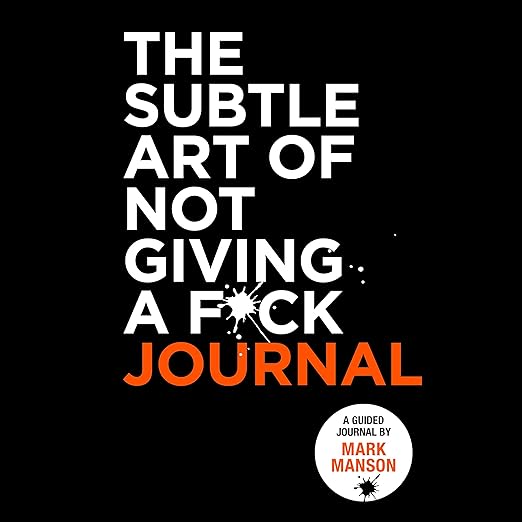
Let me be honest about what this audiobook actually is, because the metadata does not make it obvious. This is the audio companion to Mark Manson's journal based on The Subtle Art of Not Giving a F*ck, not a new standalone work. At one hour and twenty-one minutes, it is structured around guided prompts and exercises drawn from the five thematic sections of Manson's original bestseller. I want to be clear about that upfront, because listeners expecting another full-length Manson narrative will be surprised by what they get. That said, for what it is, it earns its place.
I came back to Manson's ideas on a Tuesday morning when I was genuinely stuck. Not dramatically stuck, just the ordinary kind of stuck where your priorities feel scrambled and your decisions feel reactive rather than intentional. The journal companion cuts directly to the exercises that the original book gestured at but could not fully deliver in straight prose. The prompts around values, emotions, and purpose have a specificity that caught me off guard. Manson is not interested in helping you feel better about yourself in a shallow way. He is interested in making you face the gap between what you say matters and how you actually spend your attention.
Roger Wayne Preserves the Sincerity Beneath Profanity
The audio format creates an interesting challenge for a journal companion. The whole point of a journal is that you write in it, which you cannot do while listening. What the audiobook version offers instead is Manson's framing and insights read aloud, the context around each prompt, and the explanatory material that gives the exercises meaning. Think of it less as a listening experience and more as an orientation session before you sit down with the physical journal.
Roger Wayne narrates with the right register for Manson's voice: direct, a little sardonic, but with the genuine care that sits underneath the profanity. Manson's reputation as a provocateur obscures how seriously he takes the philosophical work he is drawing on, and Wayne's delivery preserves that sincerity. He does not play the material for laughs, which would have been a mistake.
Five Audio Essays Work Without the Original
The structure follows five sections mirroring the original book's themes: the counterintuitive nature of happiness, choosing the right struggles, taking responsibility, failure as a path forward, and confronting mortality. In this audio form, each section functions as an audio essay with prompts that invite active reflection. The reviewer who described it as usable entirely on its own, not requiring prior familiarity with the original book, is largely right. Manson provides enough framing context that the prompts land even without the original text.
What works particularly well in audio is the pacing. Manson's written voice can feel relentless on the page, every paragraph a provocation. Heard aloud, with a narrator who breathes the material, the ideas have room to settle. This is most effective in the sections on emotions and values, where the prompts ask genuinely uncomfortable questions and the audio gives you a moment to sit with the discomfort before moving forward.
Opening the Door Still Requires the Written Work
Listeners who have already read or heard the original Subtle Art extensively will find some familiar ground here, particularly in the framing sections. The distinctive contribution of this companion is the exercises themselves, and those are harder to fully engage with in audio than on the page. One reviewer noted that the journal's real strength is its ability to build a solid understanding of your values, goals, behaviors, and dreams. That is true, but it requires actually doing the written work the prompts invite. The audiobook opens the door; you have to walk through it yourself.
Also worth noting: at 81 minutes, this is a compressed experience. It is not the place to start if you have never encountered Manson's work before. The ideas move quickly, and without the extended argument the original book makes, some of the more counterintuitive premises might feel like assertions rather than conclusions.
Journal Owners Get the Ideal Audio Companion
Best suited to listeners who already own the physical journal and want to use the audio as a companion to the written work, or to existing fans of the original book who want a structured way to revisit its themes with prompts. It is also useful for people going through a period of genuine re-evaluation, the reviewer who found it helpful during depression and hopelessness is not wrong about its utility in those moments. Skip it if you are looking for a full-length audiobook experience; come back to it as a shorter, focused companion session instead.
Before You Listen
Is this the full audiobook of The Subtle Art of Not Giving a F*ck, or something different?
This is the audio companion to the journal based on the book, not the original full audiobook. At 81 minutes, it covers the journal's guided prompts and thematic sections. The full original book by Mark Manson is available separately as a much longer audiobook narrated by the same narrator.
Can I use this audio companion without the physical journal, or does it require both?
You can listen without the physical journal and still find value in the framing and insights. However, the journal is designed to be written in, so for the full experience including the exercises and reflection prompts, you would want the physical book alongside this audio.
Do I need to have read The Subtle Art of Not Giving a F*ck first to understand this companion?
Not strictly necessary. Manson provides enough context in the journal's framing sections that the prompts make sense independently. That said, familiarity with the original book will deepen the experience, particularly the more counterintuitive claims Manson builds his framework around.
How does Roger Wayne's narration compare to the tone of Manson's written voice?
Wayne captures Manson's irreverence without leaning too hard into the profanity or playing the material as comedy. The narration is direct and grounded, which suits the journal's more introspective prompts better than a flashier delivery style would.