Quick Take
- Narration: Greg Tremblay is consistently reliable in the LGBTQ+ romance space and brings the archaic register of Calmes’s prose to life without tipping it into parody.
- Themes: Shapeshifting and identity, loyalty and sacrifice, enemies-to-lovers in a fantasy setting
- Mood: Lyrical and fairytale-adjacent, brisk in pacing
- Verdict: A stylistically distinctive fantasy romance from Mary Calmes that works best as an immersive character study, though its brevity leaves some listeners wanting considerably more.
Mary Calmes has a particular gift for creating protagonists who are conspicuously capable and then putting them in situations where that competence is still not enough to protect them from their own hearts. I listened to The Servant over two evenings, and while I knew going in that it was under six hours, I kept hoping the ending would hold off a little longer. That response, that desire for more world, is both a compliment and a structural observation worth examining.
Greg Tremblay narrates here, which is as reliable a signal as you get in this corner of audiobook publishing. He has an extensive catalogue of LGBTQ+ romance and fantasy titles and brings experience to a text that requires careful tonal calibration.
Our Take on The Servant
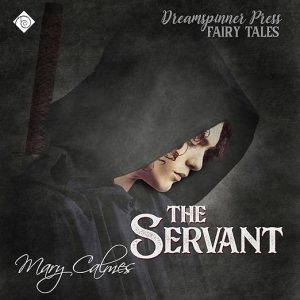
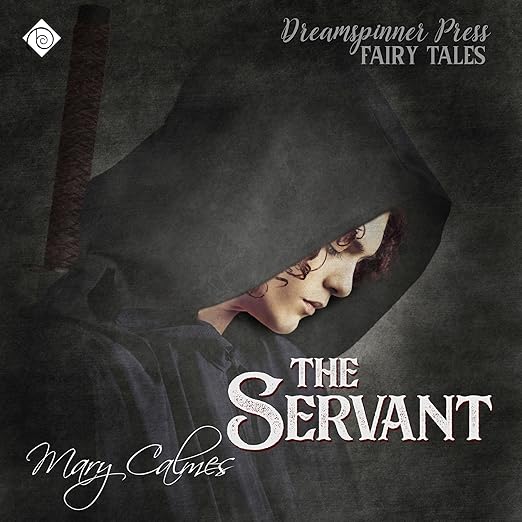
The premise is deceptively rich. Daemon Shar saves his brother’s child and is cursed by a witch, becoming something caught between man and cat, forced to wander far from home beneath robes and a cowl. A battlefield encounter with Ehron, a foreign lord, gives him purpose, and Calmes builds the relationship between servant and master with political intrigue as much as romantic tension. What makes this unusual for a Calmes novel is the choice to write in third person with an archaic register. The syntax and diction feel lifted from old fairy tales, and several readers noted this immediately as a departure from her usual first-person contemporary style. For some this is the book’s defining appeal. One reviewer called it a treasure and praised both the hero Valian’s quick wit and Gareth’s arc of growth into strength. For others, the stylistic choice combined with a shorter runtime produces characters who feel sketched rather than fully inhabited.
The triangulation of desire that forms the romance’s core, Daemon’s unexpected hunger for Ehron’s brother Gareth rather than for Ehron himself, gives the emotional arc more complexity than a straightforward lord-servant pairing would allow. It also means the relationship that pays off is the one the reader has had less time to watch develop, which is a structural gamble that works better for some readers than others.
Why Listen to The Servant
Calmes built her reputation on protagonists who are extraordinary and knows she is working in that mode again here. The most enthusiastic readers of this book rank it among their top ten Calmes titles, appreciating Daemon’s combination of cleverness, loyalty, and genuine flaw. The worldbuilding is light but atmospheric, woven into the narrative rather than delivered in exposition. Tremblay’s narration handles the archaic register without making it feel performative, which is the key challenge this text presents a narrator. The magic system of Narsyk and the political geography are intriguing enough that the book generates real affection for a world that it never quite fully opens up, and listeners who connect with that mystery often describe wanting a sequel regardless of the satisfying resolution.
What to Watch For in The Servant
The most consistent note from readers is that the book is too short. At five hours and eight minutes, it delivers the setup and resolution of a story that feels like it wants to be considerably longer. One reviewer with a long Calmes history noted that the protagonist’s competence tips from extraordinary into something that strains plausibility, and that the characterization occasionally veers toward the formulaic. These are fair observations, and worth considering if you come to this from Calmes’s longer contemporary series where the pacing has more room to breathe. A less charitable reader called the main character cardboard and the prose overwrought in places, though that remains a minority view in the review record. The archaic diction will not suit every listener, and those who prefer contemporary pacing and modern voice in their LGBTQ+ romance should know upfront that this is a different register entirely.
Who Should Listen to The Servant
Listeners who already enjoy Mary Calmes and want to hear her working in a fairy-tale fantasy register will find this rewarding. Readers drawn to LGBTQ+ romance with a literary, archaic flavour, think less contemporary heat and more mythic yearning, will appreciate the tone. Those looking for elaborate worldbuilding or a fast-burning romance with modern pacing will likely be frustrated by how much this book withholds for its length. It is a mood piece as much as a story, and works best when approached on those terms rather than as a conventional genre delivery.
Frequently Asked Questions
Does The Servant work as a standalone or is it part of a series?
The Servant is a standalone novel. It is not part of a numbered series, though some readers note that the world feels rich enough to support more stories and have wished for a sequel.
How does Greg Tremblay handle the archaic language register Calmes uses throughout?
Tremblay manages the formal, fairy-tale diction without making it sound stiff or theatrical. His familiarity with the LGBTQ+ romance genre helps him calibrate the emotional undertones correctly even when the surface language is heightened.
Is this book suitable for readers who have not read Mary Calmes before?
It can work as an entry point, but readers new to Calmes may be better served starting with one of her longer contemporary series to get a sense of her character work at fuller length. The Servant’s brevity means less room for the slow-build development she does best.
What specifically is the nature of Daemon’s curse, and does the book explore it thoroughly?
Daemon is cursed to be more cat than man beneath his robes following the incident with the witch. The curse shapes his self-conception and his relationship to loyalty and freedom throughout, though several reviewers note the magic system remains tantalizing rather than fully explained.