Quick Take
- Narration: This title uses an AI-generated Virtual Voice narrator. Listeners who prefer human narration should factor this into their decision.
- Themes: High-yield small-space gardening, soil management, succession planting
- Mood: Practical and instructional, works best alongside a garden notebook
- Verdict: A functional introduction to square foot gardening principles let down by an AI narrator and limited runtime.
A note before anything else: the narrator listed for this audiobook is Virtual Voice, which is Amazon's AI-generated narration system. At two hours and four minutes, this is a short listening experience, and the voice quality will matter differently depending on how sensitive you are to AI narration. I would describe my own tolerance as moderate. For a how-to gardening guide, the impact is less acute than it would be for fiction or memoir, but it is still a factor worth knowing before you start.
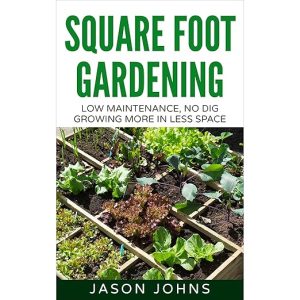
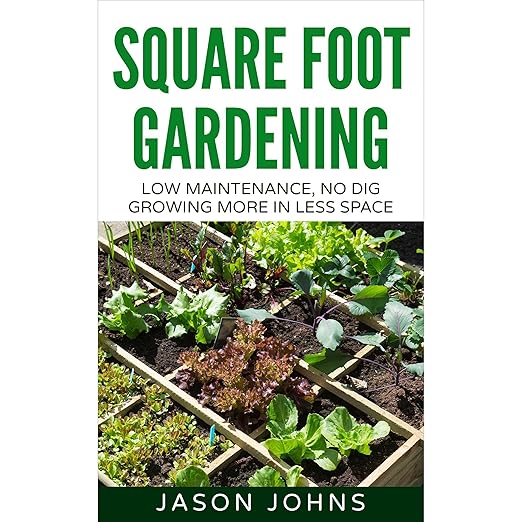
Jason Johns's Square Foot Gardening: Growing More in Less Space is the eighth volume in his Inspiring Gardening Ideas series, and it follows the structure that series implies: methodical, comprehensive within its scope, and aimed at listeners who want practical guidance rather than philosophical depth about growing food. The series covers a wide range of gardening topics, and this volume addresses one of the most consistently popular methods for home vegetable growers.
Our Take on Square Foot Gardening
The book does what it promises. Mel Bartholomew popularized square foot gardening in the 1980s, and Johns's guide updates and distills the core principles for a contemporary audience. The method itself is sound: by planting in dense grids within raised beds, using a specific soil mix, and rotating crops carefully, gardeners can dramatically increase yield per square foot while reducing maintenance. Johns covers the essential components in sequence: planning, soil composition, plant spacing, pest management, vertical growing, container adaptations, succession planting, and companion planting. The coverage is broad for a two-hour runtime, and the structure is logical enough that first-time listeners can follow it without needing to pause frequently for notes.
Why Listen to Square Foot Gardening
This title has no listener reviews yet, which limits how much confirmed reader response I can draw on. The rating suggests a mixed response, and for a gardening guide in a crowded category, that average reflects a book that is functional rather than exceptional. The series it belongs to covers a wide range of gardening topics, and listeners who have found other volumes useful will likely find this one consistent in approach and quality. The systematic structure Johns uses, moving from concept through planning, construction, planting, and maintenance, is logical for anyone trying to understand the method as a whole before getting into specifics. The chapter on the recommended soil mix, which is central to why square foot gardening works, is among the most practical sections.
What to Watch For in Square Foot Gardening
The primary limitation of this audiobook is that square foot gardening is an intensely visual discipline. Planting grids, spacing charts, and soil composition ratios are much easier to absorb from a page than from audio. Johns describes these elements clearly, but listeners who are seriously planning a square foot garden will almost certainly want a print or digital reference alongside the audiobook. The AI narration does not help here: it reads numeric and technical content accurately but lacks the natural pacing that a human narrator uses to signal what is most important to retain. Treat this as orientation rather than a standalone reference, and plan to look up the specific spacing tables separately before you plant.
Who Should Listen to Square Foot Gardening
Beginners curious about the method will get a workable overview here. The runtime is short enough to listen through twice, which may compensate for the audio format's limitations with technical content. Experienced gardeners already familiar with the Bartholomew method will likely find little new material. If you are deciding between this and a print guide, the print version will serve you better as an ongoing reference; the audiobook is best understood as an introduction that prompts further reading rather than a complete resource. The low price point reflects the modest scope, and for that scope, it delivers on its core promise of explaining how and why the method works.
The companion planting and vertical gardening chapters are worth noting for listeners who are already growing in raised beds but looking to increase yield without expanding their footprint. Johns covers both topics with enough depth to be actionable for someone with basic raised bed experience. The succession planting chapter, which Johns describes as his favorite yield-increasing technique, is the section most likely to change how an intermediate gardener thinks about their existing setup. For that specific subset of listeners, the audiobook offers more practical value than its modest scope might initially suggest.
Frequently Asked Questions
Is this audiobook suitable for complete beginners to gardening?
Yes, within limits. Johns explains the method from first principles and does not assume prior knowledge. The challenge is that some of the visual content, particularly planting grids and spacing charts, is harder to absorb from audio alone.
How noticeable is the AI Virtual Voice narration for a practical how-to guide?
Less disruptive than it would be for fiction, but present throughout. The AI voice reads technical content accurately but lacks the emphasis and pacing that help listeners identify key takeaways. A human narrator would handle the instructional material more intuitively.
Does this book cover the original Mel Bartholomew square foot method, or is it a variation?
Johns draws on the core Bartholomew principles and updates them for a contemporary audience. The foundational method, including the specific soil mix and dense grid planting, is covered consistently with Bartholomew's original work.
At two hours, is this long enough to be genuinely useful?
It covers the essential principles. It is not comprehensive enough to replace a full reference guide, and experienced practitioners will find the coverage thin. For a first introduction to the concept before committing to a more detailed resource, the runtime is adequate.