Key Details
- Voice: Luke Daniels balances real comic timing with genuine tension, letting an in-over-his-head protagonist's fear and bluffing both land as authentic.
- Big ideas: Reality as editable code, a modern hacker navigating medieval politics, fish-out-of-water time travel with real stakes.
- Atmosphere: Fast, funny, and pop culture-saturated, with real adventure tension underneath the jokes.
- Worth it?: A propulsive, comic series opener that rewards listeners who like their fantasy self-aware, even if its small rating sample means going in with less external validation than usual.
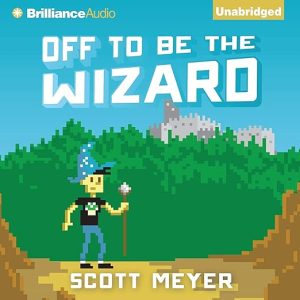
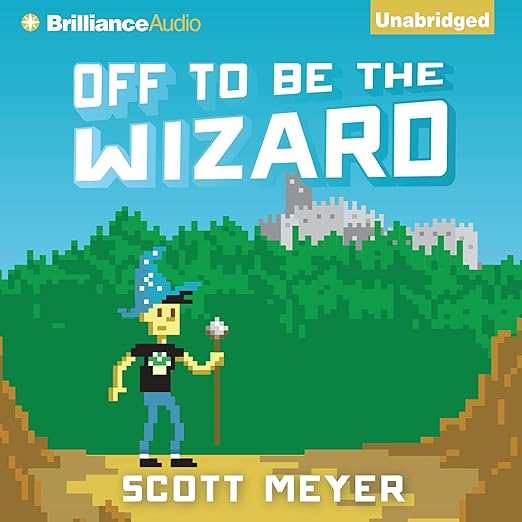
Discovering that reality is just a computer program you can edit sounds like a superpower right up until the people who maintain that program start noticing the changes, and this audiobook wastes no time putting protagonist Martin Banks in exactly that bind. Rather than face prosecution for tweaking reality's code, Martin does the only reasonable thing available to a hacker with a discovery this dangerous: he flees to the Middle Ages and poses as a wizard, and narrator Luke Daniels leans fully into the comic collision between a modern American hacker's voice and Arthurian England's expectations of him.
The Review
Scott Meyer's premise updates a very old literary joke, the fish-out-of-water time traveler forced to bluff his way through a medieval court, for a listener who grew up assuming computers, not magic, run the world underneath everything. The twist that makes it work is structural rather than just comedic: Martin's "magic" is real code manipulation, which means the book gets to have its fantasy trappings, a wizard, a quest to master his powers, the specter of Merlin's true nature, while never actually abandoning its underlying science fiction logic about how reality is constructed, so the fantasy elements always have a technical explanation waiting underneath them.
Reviewer Donald T. captures the tonal balance well, describing the book as "a light hearted, time traveling, pop culture referencing romp" through medieval England, built around a young computer hacker's accidental discovery that everyone around him is, in some sense, living inside a program. That density of pop culture reference is a real structural choice, not filler; it keeps Martin's modern, sarcastic sensibility legible even as the setting around him shifts centuries backward.
Reviewer STORY SELLER's account gets specific about the discovery's origin, describing Martin illegally accessing a cell phone manufacturer's system and stumbling onto an unassuming file, five terabytes of plain text with the deliberately boring name repository1-c.txt, and noticing the numbers inside it constantly shifting. That grounded, almost mundane origin for such a massive premise, a bored hacker poking around a corporate server rather than a mystical vision or chosen-one prophecy, is part of what keeps the book's tone light rather than portentous.
The book's own tagline question, what could possibly go wrong, is doing more structural work than a throwaway joke. It signals upfront that Meyer is fully aware of every reckless-time-traveler cliche his premise invites, and rather than avoid those tropes, the book leans into them deliberately, daring the listener to predict exactly which medieval disaster Martin is about to stumble into next. That self-awareness keeps the comedy from feeling like it is happening despite the plot rather than because of it.
What Makes Off to Be the Wizard Worth Hearing
Luke Daniels has an extensive track record narrating fantasy and adventure fiction built around protagonists who are genuinely out of their depth, and that specific skill, letting real fear and real improvisation read as authentic rather than performed, matters enormously for a book whose entire comic engine depends on Martin bluffing his way through danger he does not actually understand yet.
Reviewer Dylan F. offers about as strong a piece of praise as a genre novel can earn, comparing the experience of devouring this book in under 24 hours to staying up all night finishing a Harry Potter installment, a comparison that speaks directly to how propulsive the combination of Meyer's plotting and Daniels's pacing makes the listening experience.
The book earned recognition as an io9 Can't Miss Science Fiction and Fantasy title, which places it within a specific, respected genre conversation rather than treating it as pure comic filler, and Daniels's narration honors that dual identity, playing the comedy for real laughs while still letting the underlying stakes, Martin could genuinely die if he mishandles either the medieval politics or the reality-editing power itself, register as real tension rather than a joke with no teeth.
Reviewer Donald T.'s Matrix comparison is worth taking seriously as a genre marker rather than a passing reference, since it places Off to Be the Wizard inside a specific late-1990s-and-2000s lineage of stories asking whether the world around us is secretly constructed rather than solid. Meyer's specific contribution to that lineage is comic rather than paranoid; where a lot of simulation fiction plays the discovery for dread, Martin's reaction is closer to delight at finding an enormous, exploitable loophole, which sets the whole book's tone from its earliest pages and keeps it there through the medieval chapters that follow.
The Caveats
This is the opening book in the Magic 2.0 series, and at only 8 total ratings recorded, the external validation here is thinner than most comic fantasy series openers manage a few years after release; listeners should treat the strong quality of the available reviews as a genuinely useful signal while knowing the sample size behind that 4.3 rating is small.
Because the book leans so heavily on pop culture references and a specifically modern, sarcastic hacker sensibility dropped into medieval England, listeners who prefer their fantasy played straight, without constant contemporary jokes undercutting the medieval setting's own internal seriousness, may find the comic tone wears differently than a more traditional portal fantasy would.
The reality-as-code premise, a hacker discovering the world runs on editable, program-like logic, was fresher when this book first landed as an io9 pick than it may read now, given how much simulation and game-mechanic-driven fantasy has proliferated since; genre-savvy listeners coming to this recently should know the premise itself may feel more familiar than it did on original release.
At 10 hours and 45 minutes for a full series opener, this sits at a reasonable middle length for comic fantasy adventure, long enough for Meyer to develop the medieval setting and the reality-editing mechanics properly, but not the kind of doorstop commitment some genre series ask of a first-time reader before any real payoff arrives.
Should You Listen to Off to Be the Wizard?
A series opener under 11 hours is a much smaller ask than many long-running fantasy franchises demand, which makes this a low-risk way for genre fans to sample whether Meyer's specific brand of humor is for them before deciding whether to continue with the rest of Magic 2.0.
Fans of pop culture-dense, sarcastic narration paired with genuine fantasy-adventure momentum will get real value from Luke Daniels's performance here, especially listeners who, per reviewer Dylan F.'s comparison, want the kind of book that keeps them up past their intended bedtime.
Readers seeking traditional, unironic epic fantasy without contemporary humor woven through the medieval setting, or listeners who weight a large existing rating count heavily before committing to a series opener, should know this book's comic sensibility and its currently small review sample are both real factors worth considering first.
Before You Listen
Do I need to know a lot about computer programming to understand this audiobook's premise?
No, Martin's discovery that reality functions like editable code is explained in accessible terms as the story unfolds, and reviewer STORY SELLER's account of the plain-text file that starts everything shows the technical premise stays grounded and easy to follow rather than requiring real programming knowledge.
How does Luke Daniels's narration handle the constant pop culture references in this audiobook?
Reviewer accounts describe the book's humor and pacing as major strengths of the listening experience, and Daniels's established skill with fantasy-adventure protagonists who are improvising under pressure suits Martin's wisecracking, reference-heavy voice well against the more formal medieval setting around him.